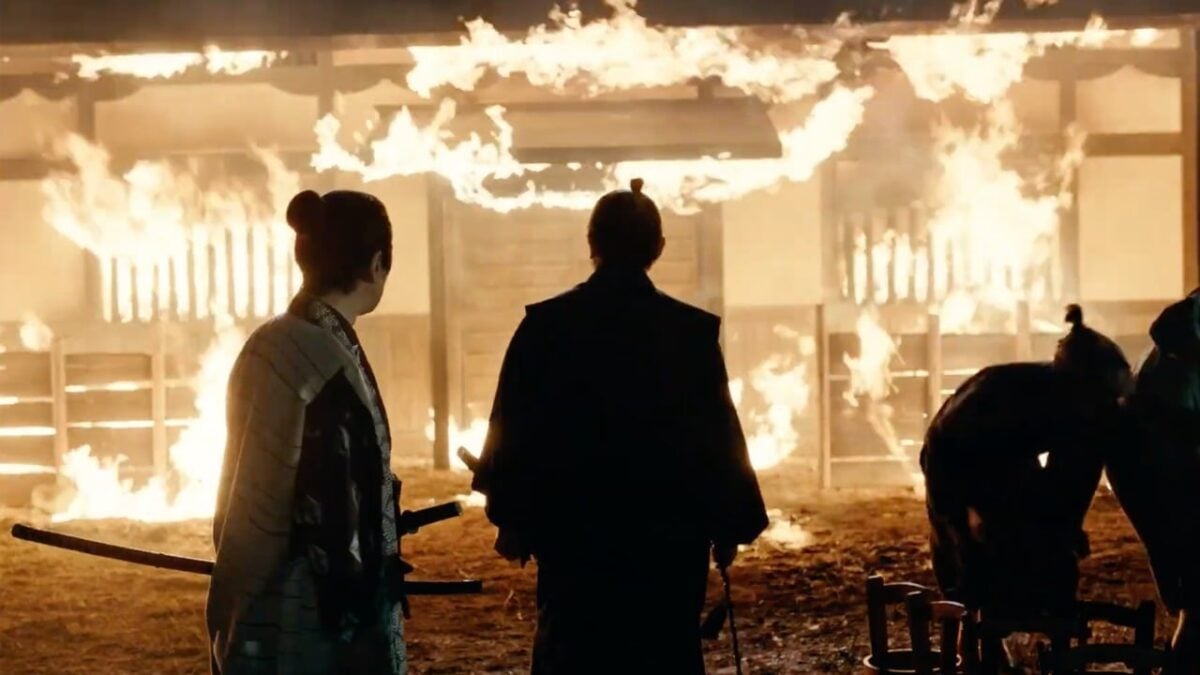
Acclaimed Japanese filmmaker Kiyoshi Kurosawa has ventured into historical drama with his first samurai epic, The Samurai and the Prisoner (known internationally under various titles associated with his period works), offering audiences a distinct philosophical counterweight to classical heroic journeys. While legendary narratives like Homer’s Odyssey chart doomed voyages defined by divine retribution and relentless tests of endurance against the wrath of Zeus, Kurosawa examines institutional rigidity, moral duty, and human frailty within a structured feudal hierarchy where well-meaning intentions can inadvertently invite disaster.
According to film historians and festival reports, Kurosawa’s transition into historical period pieces—often referred to in Japanese cinema as jidaigeki—brings his characteristic atmospheric tension from psychological horror into the realm of traditional samurai honor. Rather than focusing solely on kinetic swordplay, the narrative investigates what happens when a compassionate lord attempts to bend traditional codes of conduct, setting off a chain of events that characters interpret as divine or generational curses.
The project marks a significant stylistic evolution for a director best known globally for seminal J-horror masterworks like Cure and Pulse. By shifting his lens to historical Japan, Kurosawa applies the same meticulous pacing and dread-inducing framing to feudal politics, questioning the absolute authority of unyielding traditions just as classical literature questions the ultimate wisdom of the Olympian gods.
Philosophical Divergences From Classical Epic Traditions
In classical western epics like the Odyssey, mortal suffering often stems from direct hubris against divine law, where unfortunate sailors face monsters and storms because they provoked the gods. By contrast, The Samurai and the Prisoner positions its characters within a closed societal system where breaking divine law is secondary to subverting human-made feudal obligations.
Film critics noting the thematic shift emphasize that Kurosawa’s characters do not wander across vast, unpredictable seas trying to return home. Instead, they remain trapped within rigid architectural spaces and strict social castes. When a well-meaning lord attempts to show mercy or bypass antiquated traditions to protect those under his care, he does not anger Zeus; instead, he disrupts centuries-old social equilibria, inviting what regional belief structures treat as inevitable curses and political retribution.
This approach transforms the traditional samurai film from a straightforward action vehicle into a meditation on systemic entrapment. The tension arises not from physical distance or monstrous obstacles, but from the claustrophobic inevitability of institutional expectations colliding with individual empathy.
Directorial Evolution and Feudal Atmosphere
Kurosawa’s method relies heavily on long takes, unsettling spatial awareness, and sparse sound design elements that build psychological unease. Bringing these techniques to a period setting allows the director to interrogate the mythos surrounding the samurai class.
Rather than romanticizing the code of Bushido, the film highlights its cold inflexibility. Historical cinema analysts point out that Kurosawa uses the constraints of the Tokugawa-era aesthetic to mirror modern anxieties about bureaucracy, obedience, and isolation. The lord at the center of the story acts with ostensibly noble motives, yet his deviation from established protocol triggers a downward spiral that mirrors the inescapable dooms found in classical tragedy.
Through this framing, the director strips away the triumphant escapism often associated with samurai cinema, replacing it with an acute awareness of historical consequence. The narrative asks viewers to consider whether strict adherence to tradition is a form of self-preservation or a collective death march.
Upcoming Releases and Festival Trajectory
As international distribution plans for Kurosawa’s period epics continue to roll out across major film festivals, global cinephiles and critics are closely watching how modern Japanese auteurs reinterpret traditional national genres. Festival programmers have highlighted the film as a cornerstone of contemporary arthouse cinema’s engagement with historical revisionism.
Audiences interested in tracking upcoming theatrical release dates, international screening schedules, and official festival selections can consult updates through major cultural institutions and official film distribution announcements. Further announcements regarding wide theatrical availability and home media releases are expected to be coordinated by international sales agents in the coming months.
Keep reading