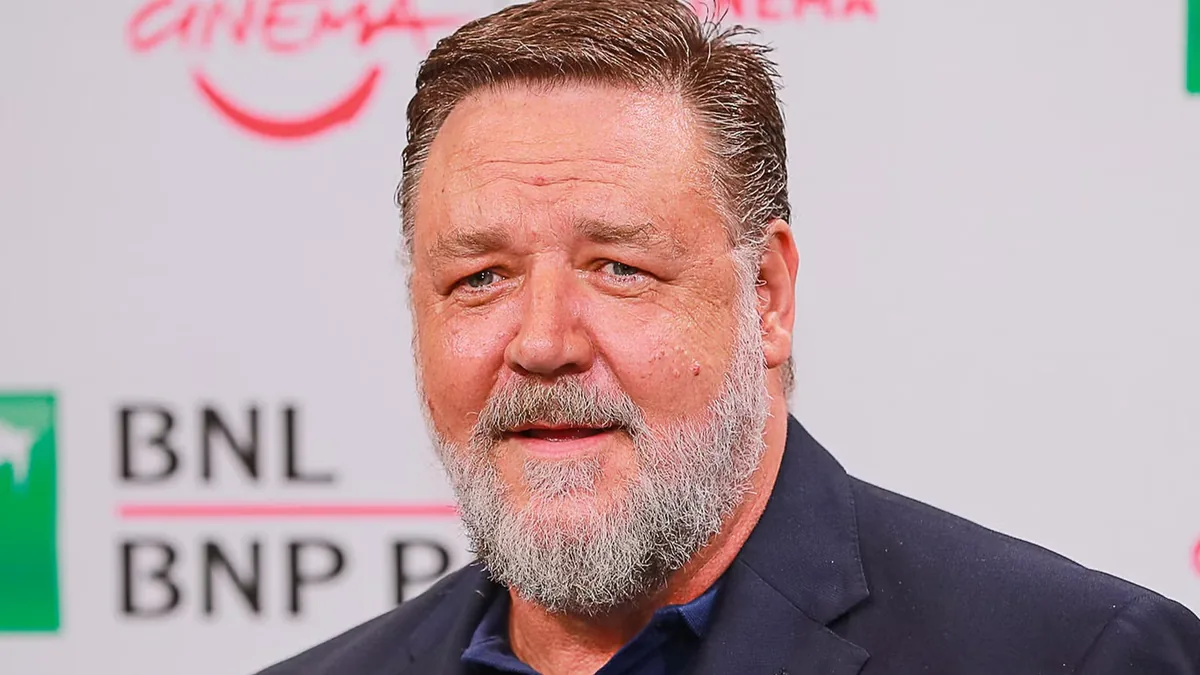
Russell Crowe stated that a promotional image from the 2000 film Gladiator served as the primary inspiration for Henry Cavill to enter the acting profession. Speaking on The Diary of a CEO podcast with Steven Bartlett, Crowe recounted how the British actor used the photograph as a reference during early casting calls to illustrate the specific screen presence and archetype he aimed to embody.
Crowe described a conversation in which Cavill told casting directors that he possessed a photo of the Gladiator lead and viewed it as a benchmark for his own aspirations. This revelation links the career trajectory of the Man of Steel star to the cultural impact of Ridley Scott’s historical epic, which portrayed the rise of Maximus Decimus Meridius from a general to a slave and eventually a gladiator.
The influence of the film extends beyond its narrative, as Crowe’s portrayal of Maximus established a modern cinematic standard for the “warrior-hero” persona. Cavill, who has since become a global figure through roles in The Witcher and the DC Extended Universe, cited this visual representation of strength and stoicism as a catalyst for his decision to pursue professional acting.
How a Single Image Influenced Henry Cavill’s Career
During his appearance on The Diary of a CEO, Russell Crowe detailed the moment he learned of his impact on Cavill. According to Crowe, Cavill did not simply admire the film but used a specific image of Crowe’s character to communicate his goals to those hiring in the industry. Cavill reportedly told casting agents, “I’ve got this photo,” referring to the imagery of Maximus, to define the aesthetic and emotional weight he wanted to bring to his performances.

This approach suggests that Cavill viewed acting not just as a craft of dialogue, but as a visual and physical discipline. The imagery of Gladiator emphasized a combination of physical prowess and internal grief, a duality that Cavill has frequently mirrored in his own roles, particularly in high-fantasy and superhero genres where physical presence is a requirement of the character.
The timing of this inspiration coincides with the peak of Gladiator’s global influence. Released in May 2000, the film became a cultural phenomenon, winning five Academy Awards including Best Picture and Best Actor for Russell Crowe. For a young Cavill, the film provided a tangible example of how a male lead could balance aggression with vulnerability on a massive scale.
The Legacy of Gladiator and the Warrior Archetype
The impact of Gladiator on subsequent actors like Henry Cavill is rooted in the film’s reconstruction of the “epic” hero. Before 2000, the sword-and-sandal genre had largely faded from mainstream cinema. Ridley Scott’s direction and Crowe’s performance reintroduced a gritty, visceral realism to the genre that influenced a generation of performers and directors.
The “Maximus” archetype is characterized by several key traits that have appeared in Cavill’s later work:
- Stoic Leadership: The ability to lead others through silence and action rather than rhetoric.
- Physicality as Narrative: Using the body to convey exhaustion, pain, and power.
- The Reluctant Hero: A protagonist driven by loss and duty rather than a desire for glory.
These elements are evident in Cavill’s portrayal of Geralt of Rivia in The Witcher, where the character’s physical intimidation is balanced by a weary, isolated interior life. The connection between Crowe’s Maximus and Cavill’s various roles demonstrates a lineage of cinematic masculinity that prioritizes discipline and endurance.
Comparing the Physical Demands of the Roles
The inspiration Cavill drew from the Gladiator photo is mirrored in the rigorous physical training both actors underwent for their most iconic roles. While Crowe focused on the rugged, weathered look of a Roman general turned slave, Cavill’s preparation for Man of Steel (2013) required a more stylized, superhuman physique.
However, both actors utilized “method” physical preparation to align their bodies with the visual expectations of their characters. Crowe’s training for Gladiator involved intense combat choreography and endurance work to make the battle scenes in the Colosseum feel authentic. Similarly, Cavill is known in the industry for his strict adherence to fitness regimes to maintain the silhouette of a comic-book icon.
This shared dedication to the visual aspect of storytelling confirms why a single photograph would be enough to inspire a prospective actor. In the entertainment industry, the “look” of a character often serves as the first point of communication with the audience, and the imagery of Gladiator provided a masterclass in visual storytelling.
The Broader Impact of Russell Crowe’s Influence
Russell Crowe’s career has long been characterized by a willingness to tackle roles that require total immersion. From the intensity of A Beautiful Mind to the grit of Gladiator, Crowe’s approach to acting often involves a complete transformation of his public persona to fit the role.

Cavill’s admission that he used Crowe’s image as a guide suggests that he recognized the power of “presence”—the ability of an actor to command a frame without speaking. This is a skill that separates lead actors from supporting players and is a primary goal for those entering the industry at a high level.
The relationship between the two actors, though not one of direct mentorship, represents a passing of the torch in terms of the “strong, silent” lead. As Cavill has moved into producing his own projects and selecting roles with more agency, the influence of the cinematic epics of the early 2000s remains a visible thread in his professional choices.
The discussion on The Diary of a CEO highlights a recurring theme in Hollywood: the “spark” moment. For many actors, the decision to enter the profession is not a gradual process but a reaction to a specific piece of art that makes the possibility of such a life feel attainable. For Henry Cavill, that spark was a photograph of a Roman general standing in the dust of the arena.
The next confirmed milestone for the Gladiator franchise is the release of Gladiator II, which continues the legacy of the original film’s world-building and character archetypes. This upcoming release is expected to bring renewed attention to the original film’s influence on contemporary cinema.
Do you believe modern cinema still produces the kind of “warrior-hero” archetypes that inspired actors like Henry Cavill? Share your thoughts in the comments below.