
As Team USA prepares for the upcoming 2026 FIFA World Cup, midfielder Sebastian Berhalter is focusing on a rigorous physiological conditioning program to secure his position in the national squad. The 23-year-old athlete, currently competing for the Vancouver Whitecaps in Major League Soccer, has publicly detailed his commitment to high-performance recovery and tactical readiness as he aims for his first appearance on the world stage. According to Major League Soccer, Berhalter’s development is a key narrative for the U.S. Men’s National Team (USMNT) as they transition toward the tournament co-hosted by the United States, Canada, and Mexico.
The 2026 World Cup marks a significant moment for the sport in North America, with the U.S. guaranteed a spot as a host nation. For players like Berhalter, the preparation involves not only technical training but a specialized approach to physical durability. Athletic performance at the international level requires precise management of load and recovery, particularly for players navigating the demanding schedule of professional club football alongside international commitments.
Physiological Preparation and Recovery Protocols
Sebastian Berhalter’s approach to his body involves a mix of traditional resistance training and modern sports science recovery techniques. Professional athletes in the MLS typically follow individualized load management programs designed by club medical staff. These programs often prioritize injury prevention by monitoring biomarkers, sleep quality, and heart rate variability to adjust training intensity in real-time. As noted by the U.S. Soccer Federation, elite-level conditioning is essential for maintaining the high-press, high-intensity style of play expected from the national team.
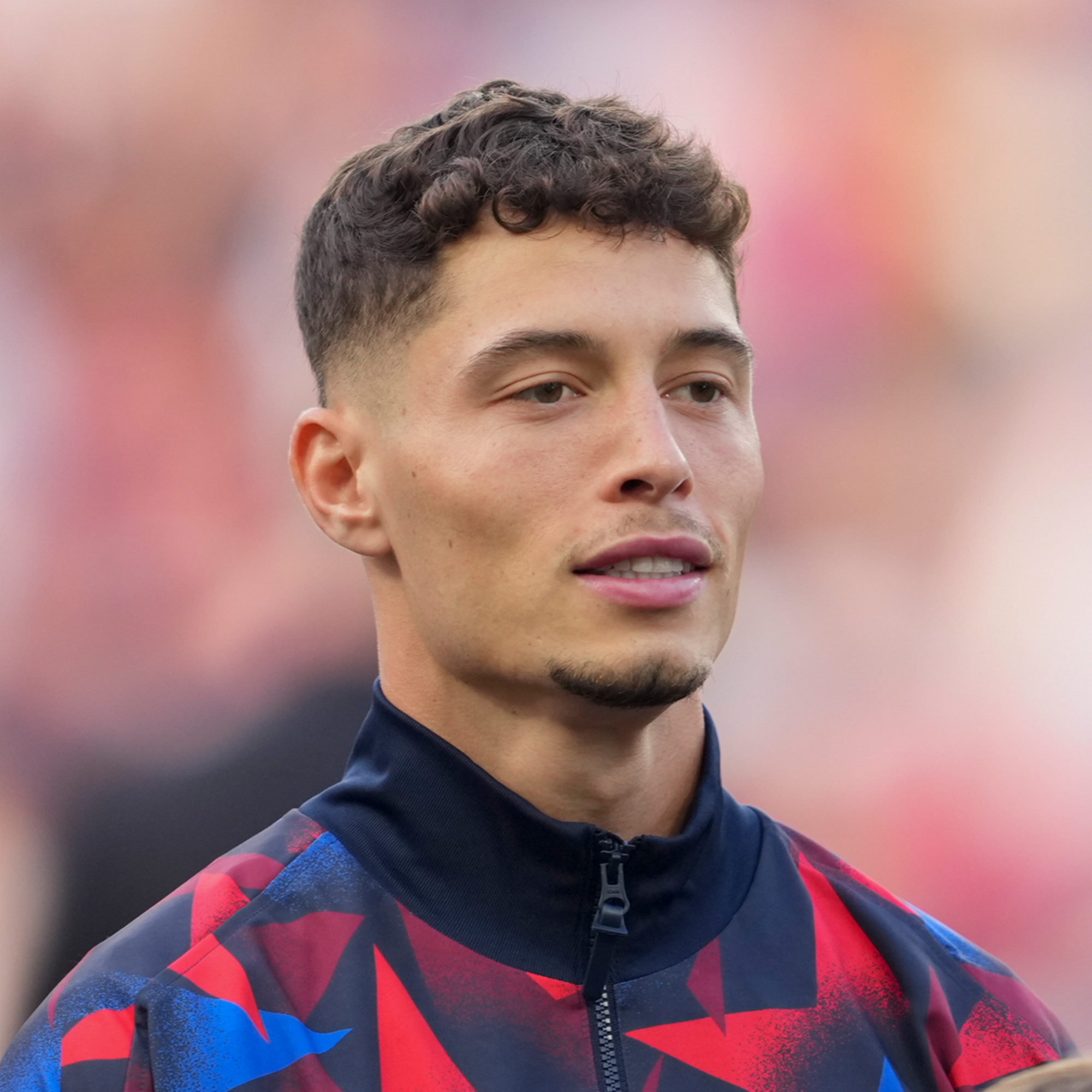
Berhalter has emphasized the importance of consistency in his nutritional intake and hydration, which are fundamental to sustaining the endurance required for midfield play. Midfielders in modern football cover significant ground—often exceeding 10 kilometers per match—requiring a metabolic capacity that demands meticulous fuel management. By integrating these recovery habits into his daily routine, Berhalter aims to mitigate the risk of overuse injuries that can threaten a player’s availability during a tournament cycle.
The U.S. Advantage in Global Competition
A central component of the discourse surrounding Team USA’s preparation is the perceived advantage the team holds over international counterparts. Berhalter has pointed to the depth of the talent pool and the increasing exposure of American players to high-level European and domestic leagues as a catalyst for success. According to data from FIFA, the 2026 tournament will feature an expanded field of 48 teams, increasing the complexity of the competition and making squad depth a critical differentiator for host nations.
This “advantage” is often discussed in terms of infrastructure and the centralization of sports science resources. The U.S. has invested heavily in state-of-the-art training facilities and medical support systems, which provide players with a standardized environment for performance optimization. While international teams often face logistical hurdles when traveling, the U.S. squad benefits from established domestic hubs that facilitate seamless transition between training camps and match days.
What Happens Next for the USMNT
The road to the 2026 World Cup continues with a series of international friendly matches and regional tournaments designed to test the squad’s cohesion. The U.S. coaching staff, led by the federation’s technical leadership, uses these windows to evaluate player form and tactical fit. For Berhalter, each match serves as a diagnostic tool to prove his readiness to represent the country on the global stage.

Fans and analysts are awaiting the next official roster announcement for the upcoming international break, which will provide further clarity on the core group of players selected for long-term development. As the tournament approaches, the focus will shift from individual conditioning to tactical synchronization. Readers interested in following the progress of the national team can find official updates and ticketing information through the U.S. Soccer official portal. We invite our readers to share their thoughts on the team’s current trajectory in the comments section below.