
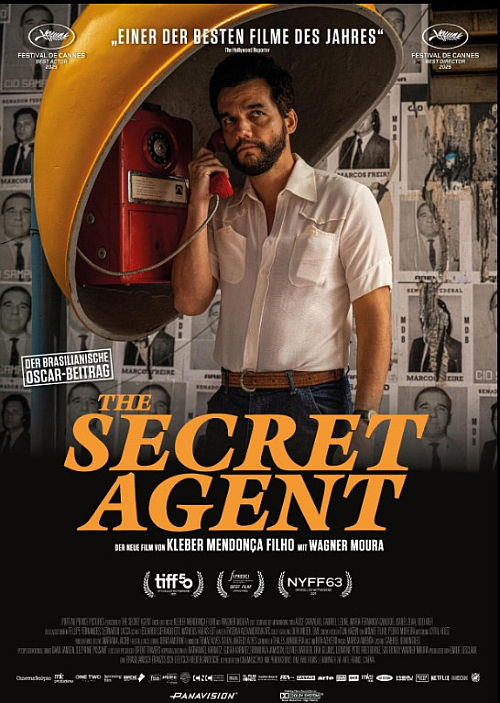
The weight of the past, the insidious reach of authoritarianism, and the enduring search for truth are powerfully explored in Kleber Mendonça Filho’s latest film, “The Secret Agent.” Set against the vibrant yet fraught backdrop of 1970s Recife, Brazil, the film isn’t simply a political thriller. it’s a deeply personal and atmospheric meditation on memory, identity, and the long shadow cast by a brutal military dictatorship. The film, starring Wagner Moura, unfolds with a deliberate pace, drawing the viewer into a world of suspicion and quiet desperation, where every glance and whispered conversation carries the potential for danger. It’s a film that lingers, prompting reflection on the fragility of freedom and the importance of confronting uncomfortable truths.
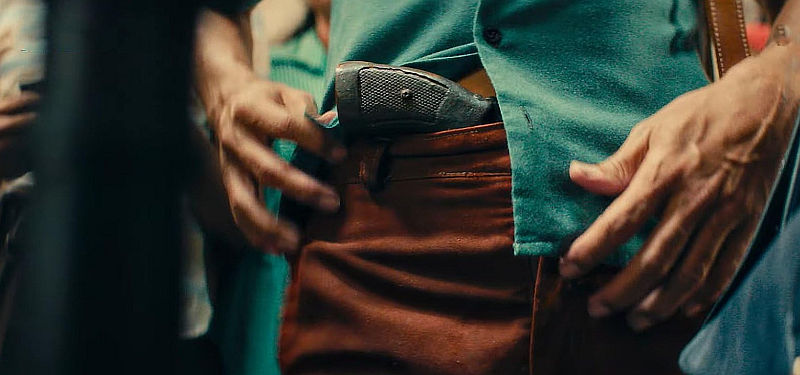
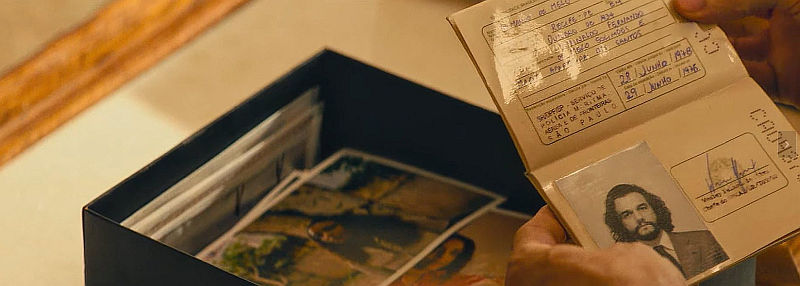
Mendonça Filho, known for his socially conscious and visually striking films like “Aquarius” and “Bacurau,” returns to his hometown to craft a narrative that feels both intimately personal and universally resonant. “The Secret Agent” isn’t a straightforward action film; it’s a character study steeped in atmosphere and psychological tension. The story centers on Marcelo (Moura), a man attempting to rebuild his life in Recife, reconnect with his son, and escape a past shrouded in secrecy. However, his fragile peace is shattered by veiled threats and the growing realization that he is under surveillance, a consequence of his previous involvement in resistance movements against the military regime. The film’s power lies in its ability to convey the pervasive sense of fear and paranoia that defined life under dictatorship, where trust was a luxury few could afford.
The historical context is crucial. Brazil was under military rule from 1964 to 1985, a period marked by repression, censorship, and human rights abuses. According to Britannica, the regime justified its actions as necessary to combat communist influence, but in reality, it systematically silenced dissent and suppressed political opposition. The Brazilian military dictatorship was characterized by torture, disappearances, and extrajudicial killings, leaving a lasting scar on the nation’s collective memory. Mendonça Filho doesn’t explicitly depict the violence; instead, he focuses on the psychological toll it takes on individuals and the corrosive effect it has on society. The film subtly illustrates how fear permeates every aspect of life, shaping relationships and distorting perceptions.
A Slow Burn of Suspicion
“The Secret Agent” distinguishes itself through its deliberate pacing and masterful use of suspense. The narrative unfolds gradually, revealing information in carefully measured doses. For the first hour, the film establishes a mood of unease and ambiguity, relying on subtle cues and suggestive imagery to create a sense of foreboding. This approach, as noted by critics, allows the audience to experience the same disorientation and anxiety as Marcelo, constantly questioning who can be trusted and what dangers lurk around the corner. The cinematography, by Evgenia Alexandrova, is particularly noteworthy, capturing the beauty and decay of Recife with a raw, visceral quality. The city itself becomes a character, its vibrant streets and crumbling buildings reflecting the complex and contradictory nature of Brazilian society.
Wagner Moura delivers a compelling and nuanced performance as Marcelo. He embodies the character’s internal conflict with a quiet intensity, conveying a sense of weariness, and vulnerability. Moura, known for his role as Pablo Escobar in the Netflix series “Narcos,” demonstrates his range as an actor, portraying a man haunted by his past and struggling to reconcile his ideals with the harsh realities of his present. The supporting cast is equally strong, particularly Tânia Maria as Dona Sebastiana, a matriarch who provides shelter and support to those persecuted by the regime, and Udo Kier as a mysterious tailor whose own history is intertwined with the political turmoil of the era.
Recife as a Character: Memory and Resistance
The film’s setting, Recife, is more than just a backdrop; it’s an integral part of the narrative. Mendonça Filho portrays the city as a living, breathing organism, a place where beauty and brutality coexist. The vibrant colors of the Carnival celebrations contrast sharply with the oppressive atmosphere of political surveillance, creating a sense of dissonance and unease. The film’s structure, framed as an academic research project by contemporary students, further emphasizes the importance of remembering the past. This framing device connects the events of the 1970s to the present day, suggesting that the wounds of the dictatorship are still healing and that the struggle for justice continues.
Adding a layer of surrealism and dark humor, the film incorporates a subplot involving the discovery of a human leg inside a shark. This bizarre incident, initially presented as a macabre curiosity, becomes a metaphor for the hidden truths and unspoken traumas of the dictatorship. The investigation into the “hairy leg,” as it’s dubbed, mirrors the broader search for justice and accountability. The film subtly suggests that even the most absurd events can reveal deeper truths about a society grappling with its past. This element, whereas seemingly tangential, underscores the pervasive sense of paranoia and the arbitrary nature of violence during the military regime.
Chiffres, Absurdity, and Life Under Duress
Mendonça Filho masterfully employs symbolism and allegory throughout “The Secret Agent.” The film is filled with coded messages and ambiguous imagery, requiring the viewer to actively engage with the narrative and interpret its meaning. This approach reflects the clandestine nature of resistance movements during the dictatorship, where communication had to be carefully veiled to avoid detection. The film’s sound design is equally effective, juxtaposing lively carnival music with moments of unsettling silence, creating a sense of tension and unease. The use of long takes and static camera angles further enhances the film’s atmospheric quality, drawing the viewer into Marcelo’s world and allowing them to experience his isolation and vulnerability.
“The Secret Agent” is a powerful and timely film that resonates deeply in the current political climate. Filmed during the presidency of Jair Bolsonaro, a far-right leader who openly admired the military dictatorship, the film serves as a warning against the dangers of authoritarianism and the importance of safeguarding democratic values. The film’s exploration of memory and historical trauma is particularly relevant in a world where revisionism and denialism are on the rise. It’s a reminder that confronting the past is essential for building a more just and equitable future. The film’s 161-minute runtime allows for a thorough exploration of these themes, creating a truly immersive and thought-provoking cinematic experience.
Key Takeaways:
- “The Secret Agent” is a politically charged thriller that explores the lasting impact of Brazil’s military dictatorship.
- Wagner Moura delivers a compelling performance as a man haunted by his past.
- Kleber Mendonça Filho’s masterful direction and Evgenia Alexandrova’s evocative cinematography create a haunting and atmospheric experience.
- The film serves as a powerful reminder of the importance of memory, resistance, and the defense of democratic values.
As “The Secret Agent” continues its festival run and wider release, it’s poised to spark important conversations about Brazil’s history and the ongoing struggle for social justice. The film’s nuanced portrayal of political trauma and its exploration of the human cost of authoritarianism make it a vital and timely work of cinema. Keep an eye on Neon’s website for updates on release dates and screenings: https://www.neonrated.com/. We encourage you to share your thoughts on the film and its themes in the comments below.


