
For most people, the specifics of a Tuesday afternoon three years ago are lost to the fog of time. We remember the broad strokes—a vacation, a wedding, a significant promotion—but the mundane details, the weather, the exact sequence of a conversation, inevitably dissolve. However, for a remarkably small subset of the population, the past is not a fading photograph but a high-definition video playback.
This phenomenon, known scientifically as Highly Superior Autobiographical Memory (HSAM), allows individuals to recall nearly every day of their lives with startling precision. While the ability seems almost supernatural, neuroscientists are increasingly looking toward a much more biological, and perhaps more accessible, source of this “super-memory”: the complex, restorative processes of sleep.
Current research into the cognitive architecture of HSAM suggests that the secret to maintaining such an expansive and detailed mental archive may not lie solely in how these individuals experience the world, but in how their brains process those experiences while they are unconscious. As we delve deeper into the neuroscience of memory, the link between sleep-dependent memory consolidation and the preservation of life’s most minute details is becoming a central frontier of study.
Understanding HSAM: The Living Archive
Highly Superior Autobiographical Memory is a rare neurological condition characterized by an extraordinary ability to remember the vast majority of one’s life experiences. Unlike those with photographic memory—which often refers to the ability to recall images or text—individuals with HSAM possess a specific, episodic capacity. They do not just remember facts; they remember the context, the emotion, the sensory details, and the chronological placement of nearly every significant and insignificant event in their history.
Clinical observations of HSAM individuals often reveal a pattern of “autobiographical” recall that is distinct from general intelligence or semantic memory (the memory of facts and knowledge). While many people with HSAM also demonstrate high verbal intelligence, their primary distinction is the sheer volume and accuracy of their personal timeline. They can often tell you what day of the week a specific event occurred, what they wore, or what the weather was like, decades after the fact.
Neuroimaging studies have begun to map the unique brain structures associated with this condition. Researchers have noted increased activity and specific connectivity patterns in the temporal lobes and the hippocampus—the brain’s primary engine for memory formation. The hippocampus acts as a gateway, taking immediate sensory experiences and beginning the process of encoding them for long-term storage. In HSAM, this gateway appears to operate with an unprecedented level of efficiency and detail.
The Sleep Connection: Memory Consolidation and Neural Replay
If the hippocampus is the gateway, sleep is the architect. One of the most significant breakthroughs in modern neuroscience is the understanding of memory consolidation—the process by which fresh, fragile memories are stabilized and transformed into long-term, permanent storage. This process does not happen while we are awake and interacting with the world; it happens primarily while we sleep.
The mechanism behind this is often described as “neural replay.” During sleep, particularly during Non-Rapid Eye Movement (NREM) sleep, the brain does not simply rest. Instead, it undergoes a period of intense activity where the neural firing patterns that occurred during a waking experience are “replayed” at high speeds. This replay serves to strengthen the synaptic connections associated with that memory, effectively “writing” the data from the temporary storage of the hippocampus into the more permanent, distributed networks of the neocortex.
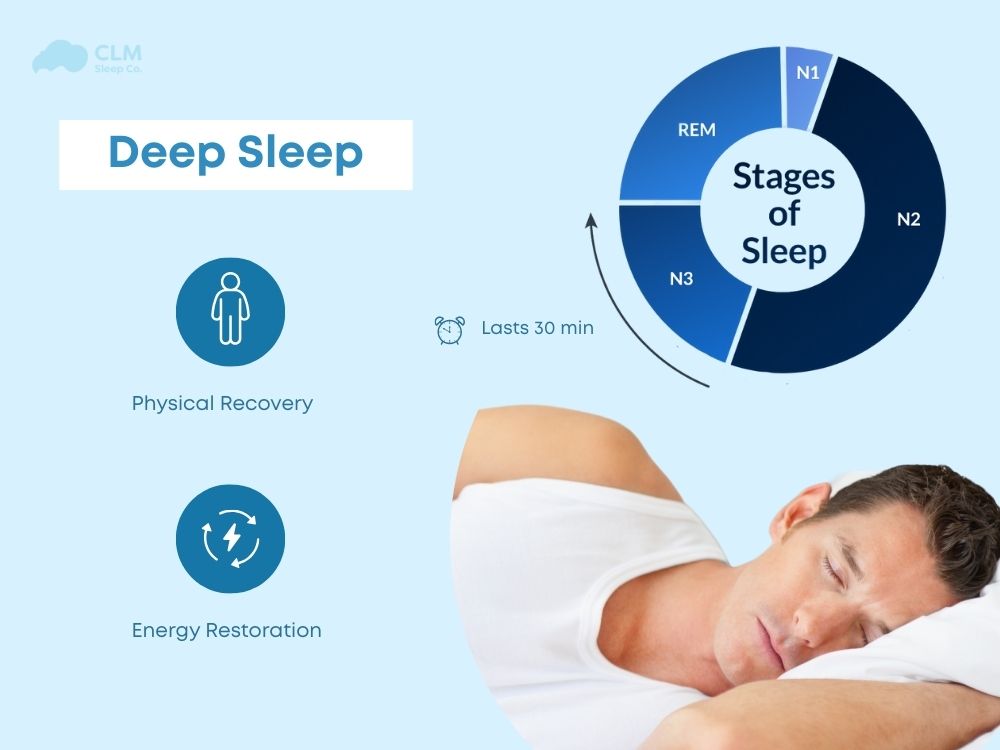
For individuals with HSAM, the scientific hypothesis is that this replay mechanism may be significantly more robust or frequent. If the brain’s “replay” of a day’s events is more detailed, more frequent, or more effectively integrated into the neocortex, the resulting memory trace will be far more resistant to the natural decay that affects the rest of the population. The “super-memory” may be a byproduct of a hyper-efficient sleep-based consolidation system.
Sleep architecture plays a critical role here. Memory consolidation is a multi-stage process involving different types of sleep:
- NREM Sleep (Deep Sleep): Crucial for the consolidation of declarative and episodic memories. This is when the hippocampus and neocortex engage in a “dialogue,” transferring information to ensure long-term stability.
- REM Sleep (Rapid Eye Movement): Often associated with emotional regulation and the integration of new memories into existing knowledge frameworks, helping to weave new experiences into the larger tapestry of what we already know.
In the context of HSAM, it is theorized that the precise synchronization between these sleep stages might be tuned differently, allowing for a more seamless and high-fidelity transfer of autobiographical data.
The Biological Mechanics of Extraordinary Recall
To understand why some brains excel at this while others struggle, we must look at the intersection of neurobiology and sleep. The efficiency of memory consolidation is dependent on several factors, including synaptic plasticity—the ability of synapses to strengthen or weaken over time in response to increases or decreases in their activity.
In individuals with exceptional memory, there may be a heightened level of synaptic plasticity during the sleep cycle. This would allow the “neural replay” to create much stronger and more complex connections. The role of neurotransmitters like acetylcholine and glutamate, which regulate attention and learning during wakefulness and consolidation during sleep, may be uniquely balanced in the brains of those with HSAM.
Another area of intense study is the “hippocampal-neocortical dialogue.” This is the communication loop between the brain’s memory center and its higher-order processing centers. For a memory to become a permanent part of one’s life story, it must be successfully moved from the hippocampus to the neocortex. If this dialogue is more frequent or more intense during the sleep cycles of an HSAM individual, the result is a near-perfect preservation of the episodic record.
This research has profound implications for our understanding of the human brain. It suggests that memory is not just a passive recording of the past, but an active, ongoing construction project that requires specific biological conditions—most notably, high-quality sleep—to succeed.
Implications for Global Health and Cognitive Aging
The study of HSAM and its relationship to sleep is not merely an academic exercise in understanding “super-powers.” The insights gained from these rare individuals have massive implications for global public health, particularly as the world faces an aging population and a rising tide of neurodegenerative diseases.
Conditions such as Alzheimer’s disease and other forms of dementia are characterized by the breakdown of the very systems that HSAM individuals use so effectively. In Alzheimer’s, the ability to consolidate new memories is often the first thing to fail, often due to damage to the hippocampus or the disruption of the neural pathways required for sleep-based consolidation. By studying how HSAM individuals maintain such high-fidelity memories, researchers hope to identify “protective” mechanisms that could eventually be used to bolster memory in those at risk of cognitive decline.
this research underscores the critical importance of sleep hygiene for the general population. If sleep is the primary engine of memory consolidation, then chronic sleep deprivation is not just a cause of fatigue; it is a direct assault on our ability to form, retain, and access our personal histories. The “secret” of the super-memory serves as a powerful biological reminder that our cognitive health is inextricably linked to our nocturnal habits.
As we continue to bridge the gap between sleep science and memory research, the goal is to move toward interventions that can optimize the brain’s natural ability to consolidate information. Whether through pharmacological means, behavioral changes, or improved sleep technologies, the aim is to help the rest of the world retain the precious details of their lives with greater clarity.
Key Takeaways: The Science of Memory and Sleep
- HSAM is Episodic: Highly Superior Autobiographical Memory is specifically a capacity for remembering personal life events in vivid, chronological detail, rather than just general facts.
- Sleep as an Architect: Sleep is the primary period for memory consolidation, where the brain stabilizes and stores new information through a process known as neural replay.
- The Consolidation Hypothesis: Scientists believe the extraordinary memory of HSAM individuals may be due to a more efficient or intense sleep-based consolidation process.
- Structural Differences: Research points to unique connectivity in the hippocampus and temporal lobes as key biological markers of exceptional memory.
- Global Health Impact: Understanding these mechanisms provides vital clues for treating memory-related disorders like Alzheimer’s and emphasizes the importance of sleep for cognitive longevity.
The journey to fully decoding the “secret” of hyper-memory continues. As neuroimaging technology advances and our understanding of sleep architecture deepens, we move closer to understanding how the brain weaves the threads of our daily experiences into the permanent fabric of our identity.
The next significant milestone in this field is expected to emerge from the upcoming longitudinal studies tracking the sleep patterns and neuroimaging data of HSAM cohorts over extended periods, providing more definitive evidence of the sleep-memory link.
What are your thoughts on the connection between sleep and memory? Do you find that your most vivid memories are tied to periods of high-quality rest? Share your insights in the comments below and share this article with your network to keep the conversation going.