
The atmospheric dread of cosmic horror is returning to the digital landscape as Frogwares unveils the first glimpse of The Sinking City 2. For fans of H.P. Lovecraft’s haunting visions of insignificance and madness, the recently released gameplay reveal trailer signals a significant evolution in how the series handles both its narrative investigation and its visceral survival elements.
Set within the oppressive, water-logged ruins of Arkham, the sequel aims to deepen the psychological toll of exploring a world where the laws of physics and sanity are perpetually fraying. By leveraging the technical capabilities of Unreal Engine 5, the developers are crafting a version of the city that feels not only larger and more detailed but fundamentally more menacing than its predecessor.
The reveal highlights a central tension that defines the experience: the balance between the methodical work of a detective and the desperate struggle of a survivor. In The Sinking City 2, the act of uncovering the truth is no longer a safe pursuit; it is a dangerous venture into the heart of an eldritch nightmare where every clue found may bring the player closer to an encounter they are ill-equipped to handle.
A Technical Leap into the Abyss
The transition to Unreal Engine 5 is not merely a graphical upgrade but a foundational shift in how the game delivers horror. The new engine allows for more dynamic lighting and environmental effects, which are critical for a game centered on the themes of isolation and the unknown. The flooded streets of Arkham now feature highly detailed water physics and atmospheric fog that obscure the horizon, ensuring that players never feel truly safe in the open.
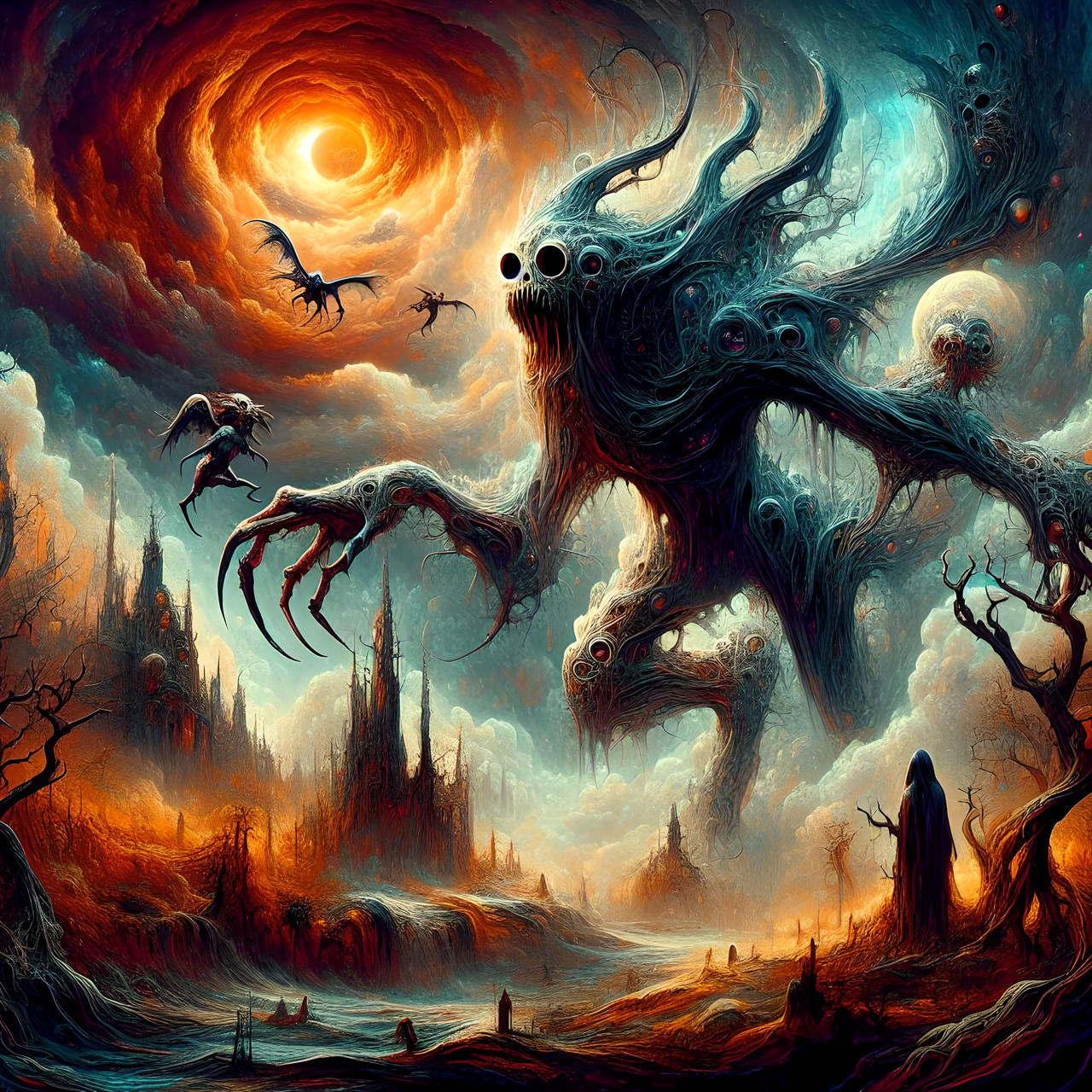
This technical fidelity serves the narrative purpose of “cosmic horror,” where the environment itself is a character designed to make the player feel minor and vulnerable. The scale of the architecture and the grotesque nature of the monsters are rendered with a precision that enhances the “uncanny valley” effect, making the eldritch entities feel genuinely alien and beyond human comprehension.
Blending Investigation with Survival Horror
While the first game leaned heavily into the detective fantasy, The Sinking City 2 is positioning itself more firmly within the survival horror genre. The gameplay reveal suggests a more integrated loop where investigation mechanics—such as gathering evidence and connecting leads—are interrupted by high-stakes combat and stealth sequences.
The survival elements appear more punishing, requiring players to manage their resources carefully while navigating the flooded city. The tension arises from the uncertainty of what lies beneath the water’s surface or behind a rotting door. This shift suggests that the “investigation” is no longer just a way to progress the plot, but a risky gamble where the reward of knowledge is weighed against the physical danger of the environment.
The Evolution of Lovecraftian Storytelling
Lovecraftian horror is defined by the “fear of the unknown,” and Frogwares is attempting to translate this into a gameplay loop that avoids over-explaining its mysteries. By focusing on a single-player experience, the game can maintain a tight, claustrophobic atmosphere that mirrors the protagonist’s descent into obsession.
The setting of Arkham serves as the perfect anchor for this story. As a city literally sinking into the depths, it acts as a metaphor for the protagonist’s own mental state. The gameplay reveal suggests that the city’s layout will play a major role in the storytelling, with flooded districts acting as gated areas that require specific clues or tools to access, effectively turning the map into a giant, decaying puzzle.
Key Gameplay Pillars
- Environmental Storytelling: Using the ruins of Arkham to convey a history of madness and decay without relying solely on dialogue.
- Resource Management: A heightened focus on survival, forcing players to make difficult choices about their equipment and health.
- Psychological Tension: Mechanics designed to evoke a sense of dread, utilizing UE5’s lighting and soundscapes to keep players on edge.
- Deep Investigation: A return to the series’ roots of connecting clues and solving mysteries to uncover the overarching cosmic conspiracy.
What Which means for the Genre
The arrival of The Sinking City 2 comes at a time when survival horror is seeing a massive resurgence. However, few titles successfully marry the “detective” archetype with genuine cosmic horror. By focusing on the synergy between investigation and survival, Frogwares is attempting to carve out a niche that prioritizes intellectual curiosity as much as it does the adrenaline of a chase sequence.
For the global gaming community, the use of cutting-edge technology to revitalize a literary niche like Lovecraftian horror is a welcome development. It demonstrates that the “slow burn” of psychological horror can be enhanced, rather than replaced, by high-fidelity visuals and modern engine capabilities.
Interested players can currently find more information and add the title to their wishlists via the official Steam page, where the game is listed as a single-player Lovecraftian survival horror journey.
As the development continues, the industry will be watching to see if Frogwares can successfully balance the slow pace of a mystery with the sudden violence of survival horror. The next major checkpoint for the title will likely be the release of a detailed roadmap or a playable demo, providing further insight into how the investigation mechanics function in practice.
Do you think the blend of detective work and survival horror is the right direction for a Lovecraftian game? Let us know your thoughts in the comments below and share this article with your fellow horror enthusiasts.
Related reading