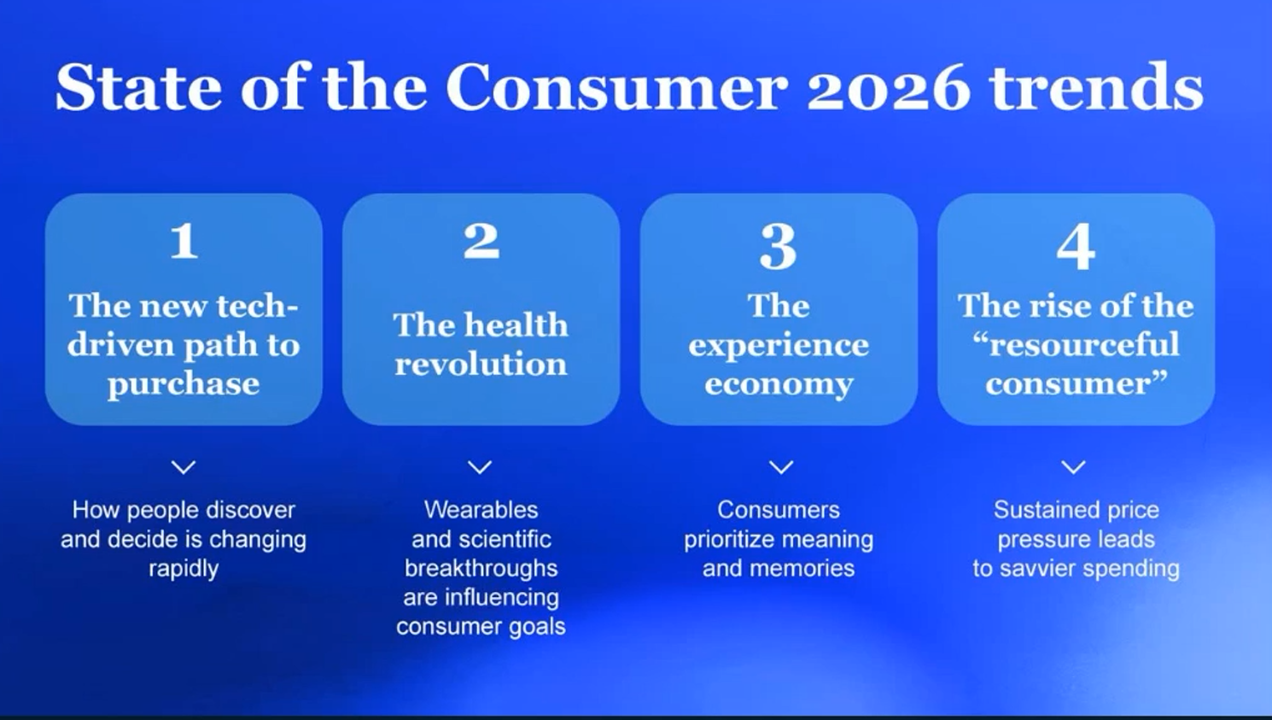
Global consumer behavior is shifting toward a model defined by increased digital agency, cost-consciousness, and a holistic view of personal health, according to recent research from McKinsey & Company. As households navigate an inflationary environment, the 2026 consumer is increasingly leveraging AI and digital tools to manage wellness goals and spending, with roughly one in three consumers globally reporting challenges in affording their desired food options.
The latest data suggests that this trend toward DIY-agency—a combination of self-directed health management and value-seeking behavior—is reshaping how industries must engage with their customers. For health-conscious individuals, wellness is no longer limited to physical fitness but encompasses a broad “operating system” that includes sleep, mental health, cognitive function, and stress management.
The Evolution of the Health-Conscious Consumer
Health has become a central pillar of the modern consumer’s daily life, with a majority of global citizens identifying specific dimensions of well-being as essential. According to the McKinsey research, over 50% of consumers globally classify heart health, cognitive function, sleep quality, and mental health as “very important” factors in their personal lives. This shift reflects a move away from traditional, reactive healthcare toward a proactive, lifestyle-integrated approach.

Generational differences remain a key differentiator in how these values are put into practice. While consumers across all age groups prioritize wellness, their behaviors regarding diet and consumption vary. Younger cohorts, specifically Gen Z, show distinct patterns in their consumption of processed foods, artificial flavors, and sweeteners compared to Baby Boomers. However, these generational gaps narrow significantly when evaluating habits surrounding caffeine, alcohol, and gluten consumption.
Geography also plays a role in how consumers perceive their own progress. The data reveals a notable disparity in self-reported wellness success: 47% of consumers in the United States and Brazil report that they are effectively achieving their wellness goals. In contrast, consumers in Germany and France report lower levels of satisfaction, with only 28% and 34% respectively feeling they have successfully met their wellness objectives.
Managing Cost Pressures Through DIY Agency
Persistent inflation is a primary driver of current consumer habits, forcing a widespread adoption of “DIY” strategies to maintain quality of life while controlling expenditures. The research indicates that the top three actions consumers are taking to realize greater value include keeping products longer, repairing items instead of replacing them, and deferring major purchases. These behaviors are prevalent across both Gen Z and Boomer demographics.

The intersection of health and cost is particularly visible in the food sector. As approximately one-third of global consumers struggle to afford the fresh, nutrient-dense foods they prefer, the “food-as-medicine” movement is evolving into a necessity-driven practice. This inflationary environment, which analysts expect to influence purchasing power well into 2027, presents a significant challenge for families attempting to maintain health-supportive diets.
Strategic Implications for Industry Stakeholders
For organizations operating within the health and wellness sectors, the data suggests that traditional marketing and product development may no longer suffice. McKinsey identifies several key strategies for businesses aiming to remain relevant to the tech-enabled, cost-conscious consumer:
- Presence in Decision Channels: Brands must establish visibility where consumer decisions are shaped, particularly within AI-driven search responses and social media platforms.
- Outcome-Based Propositions: Wellness offerings should be specific, credible, and focused on trackable outcomes that allow consumers to measure their own progress.
- Experiential Meaning: Products and services should be designed to resonate on an emotional level, creating visceral memories and a sense of personal value.
- Value-by-Design: Rather than treating value as an afterthought, companies should integrate cost-efficiency and utility into the product design process from the beginning.
By adopting a “value-by-design” framework, stakeholders can better align their offerings with the current realities of the global consumer. This approach mirrors existing industry standards such as privacy-by-design and equity-by-design, placing the consumer’s practical and financial needs at the center of the development lifecycle.

As market conditions continue to evolve, consumers are expected to rely further on digital tools to navigate these pressures. The next phase of this trend will likely be shaped by the continued integration of generative AI into personal health management, providing consumers with more granular data to support their daily decisions. Future updates on these consumer trends will be available through subsequent industry reports and economic analyses as global inflation markers shift throughout 2027.
As a physician and journalist, I am interested in how these DIY health trends impact long-term patient outcomes. Please share your thoughts or observations on how these digital tools are changing your personal approach to wellness in the comments below.