
In the evolving landscape of digital-age political expression, a curious phenomenon has emerged, capturing public attention through its blend of satire and social commentary. The so-called “Cockroach Janta Party” has garnered significant online engagement, positioning itself as a satirical counter-movement that utilizes irony to reflect broader societal frustrations. While the movement operates primarily within the digital sphere, its rapid rise serves as a case study in how social media platforms can amplify unconventional, non-traditional political messaging in contemporary discourse.
For those tracking the intersection of internet culture and political engagement, the movement—often referred to by the acronym CJP—represents a shift away from traditional political campaigning. By adopting a name that challenges conventional political branding, the organizers have tapped into a specific vein of public sentiment, often characterized by skepticism toward established institutional structures. The project has sparked widespread debate regarding the efficacy of satire as a tool for political advocacy in an era defined by viral content and algorithm-driven visibility.
Satire as a Tool for Political Commentary
Political satire has long functioned as a mirror to society, allowing citizens to express grievances through humor and irony. In this instance, the “Cockroach Janta Party” frames its identity around the resilience and ubiquity of the insect, a metaphor that organizers and supporters suggest reflects the “survivor” mentality of the common citizen facing economic or social challenges. By adopting such an unconventional, and arguably self-deprecating, label, the group manages to bypass the formalities of standard political discourse.
Experts in digital sociology suggest that such movements often find success when they articulate a shared feeling of disillusionment without the burden of formal policy agendas. Unlike registered political parties that must adhere to strict regulatory frameworks—such as those overseen by national election commissions—this initiative operates as a decentralized, meme-driven collective. This lack of formal structure is both its primary strength and its greatest limitation. it allows for rapid, organic growth but complicates the prospect of transitioning from online engagement to tangible policy influence.
The Mechanics of Digital Mobilization
The rise of the CJP is intrinsically linked to the architecture of modern social media. By creating content that encourages “shareability,” the group has managed to reach audiences far beyond its initial core supporters. The strategy involves creating short-form video content and graphic memes that challenge political norms, often focusing on the struggles of the unemployed or those feeling marginalized by the current economic climate. For those interested in how digital movements translate to real-world outcomes, This proves essential to monitor how such groups navigate the transition from online satire to organized civil society.

Observers note that the success of the CJP on platforms like Instagram and Facebook is largely due to its ability to tap into current events and popular cultural touchstones. By utilizing trending hashtags and engaging in comment-section dialogue, the group maintains a level of “top-of-mind” awareness that traditional organizations often struggle to replicate without significant financial investment. However, critics argue that without a clear platform or leadership structure, such movements risk burning out as quickly as they emerge, leaving little lasting impact on the political landscape.
Understanding the Broader Implications
What does this mean for the future of political participation? The emergence of the Cockroach Janta Party highlights a growing disconnect between traditional political institutions and the younger, digital-native demographic. As public trust in established systems fluctuates, there is a visible trend toward alternative forms of expression that prioritize authenticity and irreverence over the polished, often scripted, messaging of legacy political parties. Whether this movement will ever seek formal recognition or remain a purely cultural critique remains to be seen.
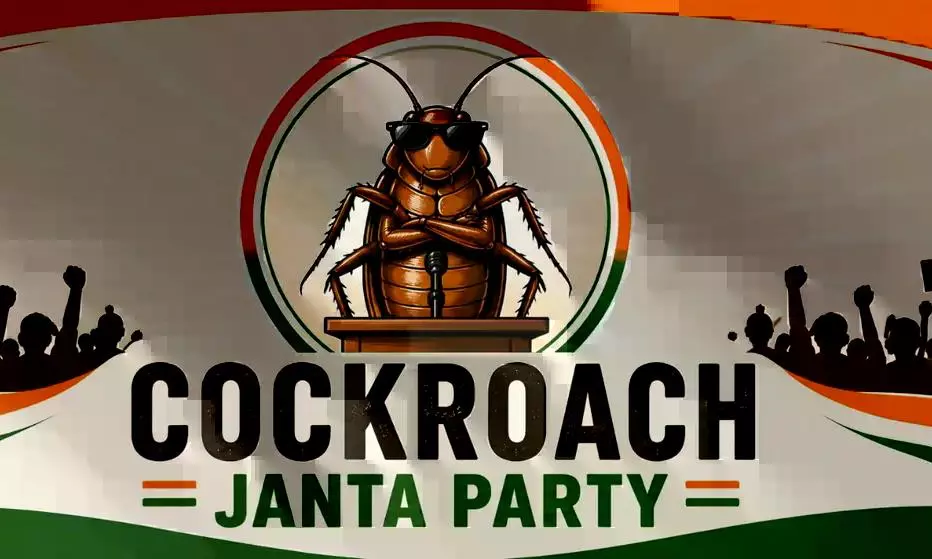
For the average observer, the CJP serves as a reminder that the digital public square is increasingly populated by actors who do not play by traditional rules. As we move closer to upcoming election cycles in various jurisdictions, it is likely that we will see more movements that mirror the CJP’s strategy: leveraging humor, skepticism, and the viral nature of social media to challenge the status quo. The challenge for voters and analysts alike is to distinguish between fleeting internet trends and genuine movements that possess the capacity for long-term societal change.
Key Considerations for Digital Political Movements
- Authenticity vs. Policy: While satirical movements effectively capture attention, they often struggle to articulate specific, actionable policy goals.
- The Role of Algorithms: Viral success is heavily dependent on platform algorithms, which can prioritize sensationalist content over substantive debate.
- Longevity Concerns: Many digital-first movements lack the institutional infrastructure required to sustain influence beyond a single news cycle or viral moment.
As the conversation continues to evolve, it is important to follow official updates from relevant regulatory authorities and established news organizations to track whether such satirical groups move toward formalization. We will continue to monitor this space for further developments. If you have observations on how digital satire is influencing political discourse in your region, we encourage you to share your thoughts in the comments section below.

Keep reading