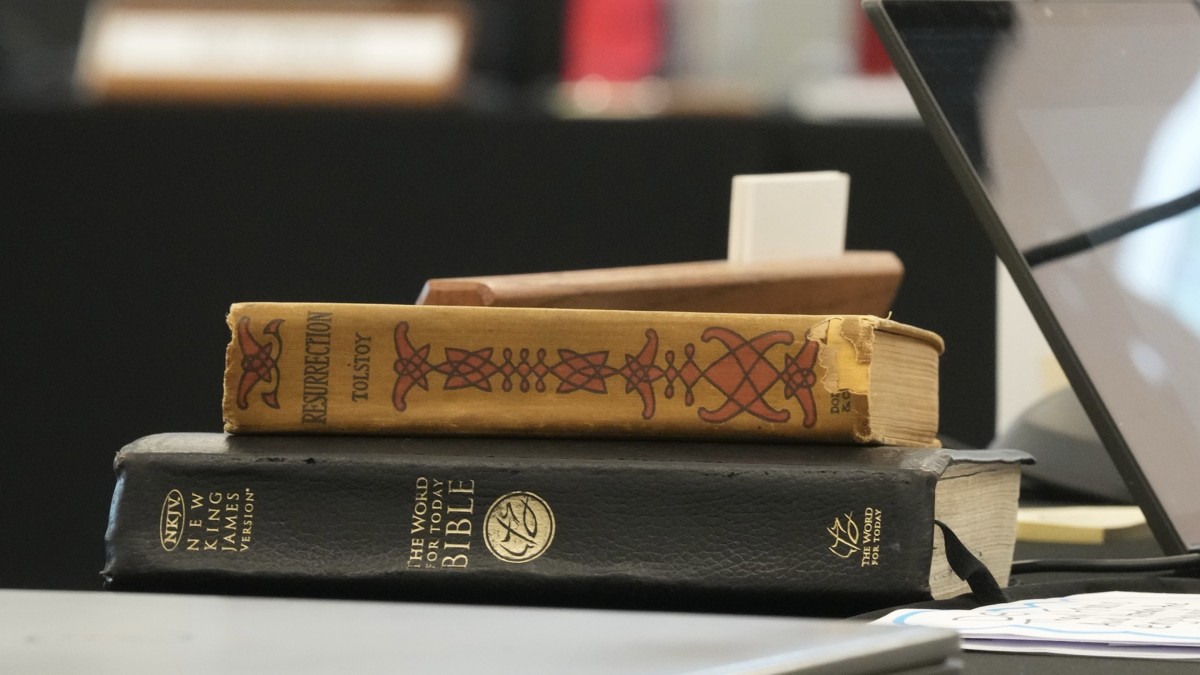
Texas public schools will be required to incorporate the Bible and other religious texts into their curriculum starting in the 2030-2031 school year, following a recent vote by the Texas State Board of Education. The policy change, which allows for the optional use of state-developed instructional materials containing biblical content, is expected to impact approximately 5 million students across the state. This decision has sparked significant debate regarding the intersection of public education and religious instruction in the United States.
The Texas State Board of Education approved the curriculum materials in a vote held on November 22, 2024. According to the Texas Education Agency (TEA), the new materials are designed to provide students with a broader understanding of historical and cultural contexts, including the influence of the Bible on Western civilization. While the curriculum is optional for local school districts, the state has provided financial incentives for districts that choose to adopt the state-approved materials.
Curriculum Implementation and Scope
The approved instructional materials cover English Language Arts and Reading for students from kindergarten through eighth grade. The inclusion of biblical narratives—such as the Parable of the Sower and the story of the Good Samaritan—is framed by state officials as a tool for teaching literary analysis and historical literacy. The Texas Education Agency confirmed that these materials were developed to align with the state’s rigorous academic standards while offering teachers resources to help students understand the foundational texts that have shaped global history.
Implementation is scheduled to begin in the 2030-2031 academic year, giving districts time to integrate the content into their existing lesson plans. Proponents of the curriculum argue that the Bible is a cornerstone of Western literature and history, and that excluding it limits a student’s ability to comprehend classic works of art, music, and philosophy. Critics, however, argue that the integration of religious texts into public classrooms risks violating the principle of separation of church and state, a subject that has seen increasing legal scrutiny across the country.
Legal Context and National Comparisons
The move in Texas mirrors legislative efforts in other states to emphasize religious history within public education. For instance, Louisiana passed a law in 2024 requiring the display of the Ten Commandments in public school classrooms, a mandate that has faced immediate legal challenges regarding its constitutionality. According to the U.S. Supreme Court precedents, public schools are generally prohibited from promoting a specific religion, though they are permitted to teach about religion from a historical or secular perspective.
Legal observers note that the Texas curriculum is distinct because it is presented as a set of instructional materials rather than a mandate for religious observance. However, the American Civil Liberties Union (ACLU) and other advocacy groups have expressed concerns that the state’s push could lead to litigation. “The introduction of these materials into public school classrooms raises serious constitutional questions,” stated representatives from legal watchdogs monitoring the rollout. The debate centers on whether the state is teaching about the Bible as an academic subject or promoting religious indoctrination.
Impact on Students and School Districts
With roughly 5 million students enrolled in Texas public schools, the potential reach of these new materials is vast. Districts retain the autonomy to decide whether to implement the state-provided curriculum, but the financial support offered by the state is expected to encourage widespread adoption. The Texas Tribune has reported that the board’s decision followed months of public testimony and heated debate between parents, educators, and interest groups regarding the role of religion in public life.
For parents and community members, the next phase involves monitoring how these materials are deployed at the classroom level. The Texas Education Agency is expected to release further guidance for school districts in the coming months, including training modules for teachers on how to handle the new content neutrally. As the 2030 deadline approaches, the focus remains on whether the curriculum can withstand potential legal challenges and how local school boards will navigate the diverse religious and secular perspectives within their communities.
The Texas State Board of Education is scheduled to revisit implementation updates during their next quarterly meeting. For further information or to review the approved curriculum frameworks, stakeholders are encouraged to visit the official Texas Education Agency website. Please share your thoughts on this development in the comments section below.
- Sheinbaum on Phone Registration, Alito Moreno, and the Future of Welfare Pensions
- Putin Visits Disputed Kuril Islands, Prompting Strong Japan Protest
- Texas Surrogate Refuses Abortion of Baby With Heart Condition, Sparking Legal Battle (world-today-news.com)
- Goyang City Launches Public Vote for New Civil Administration Slogan (newsdirectory3.com)