
In the rapidly evolving landscape of North Texas, few municipalities have experienced the dramatic shift seen in Celina. Once characterized by its quiet, rural identity and expansive ranching heritage, the city has undergone a profound transformation, emerging as one of the fastest-growing communities in the United States. Located approximately one hour north of Dallas, Celina represents a broader trend of suburban expansion that is reshaping the demographic and economic profile of the Dallas-Fort Worth metropolitan area.
For those observing the growth of the region, the rapid development of Celina is not merely a local story but a window into the migration patterns and infrastructure demands currently defining Northern Texas. According to data from the U.S. Census Bureau, cities in the Dallas-Fort Worth-Arlington metropolitan area have consistently ranked among the fastest-growing in the nation, driven by a combination of housing availability and corporate relocation.
The Evolution of a Texas North-Central Hub
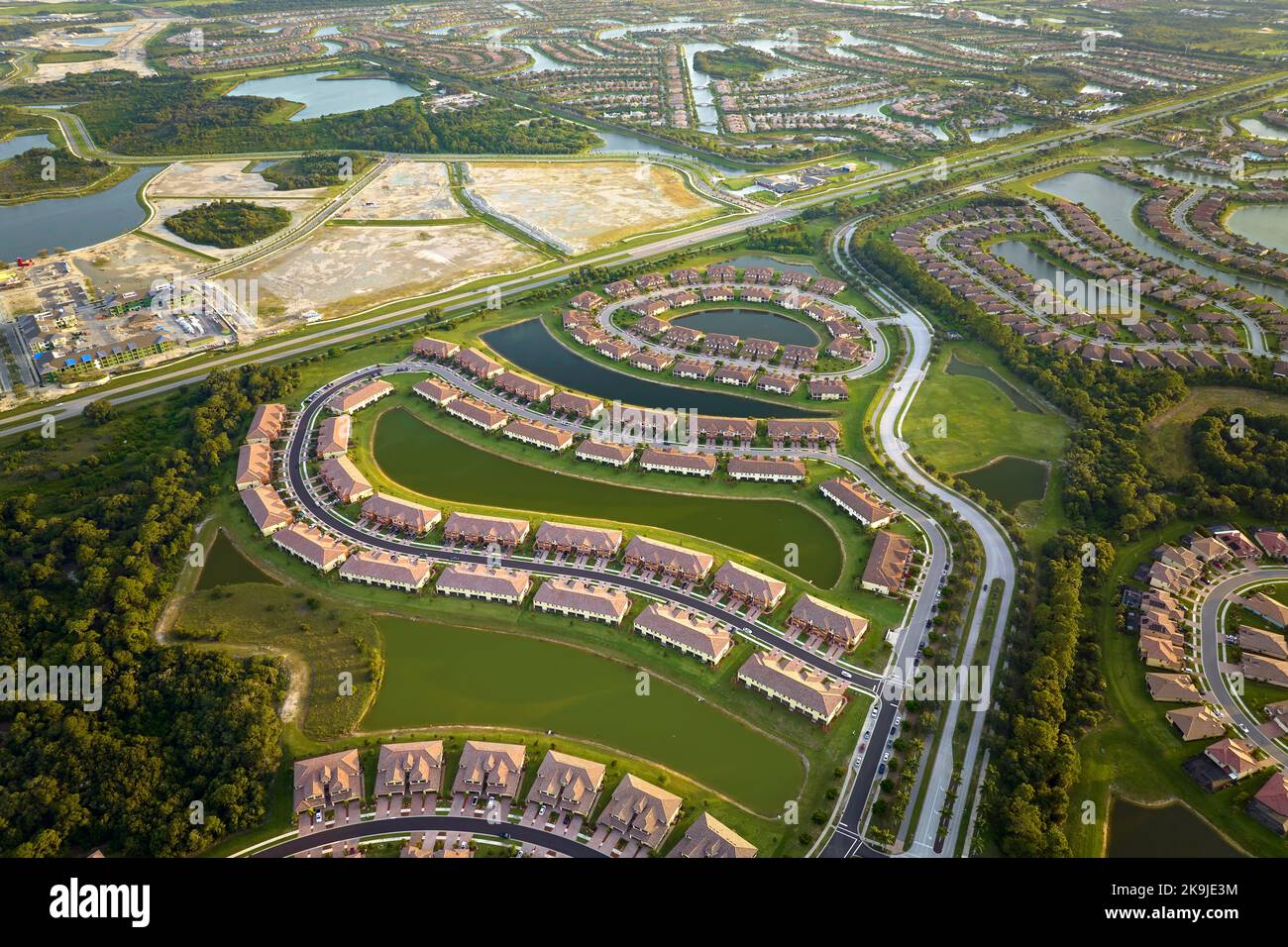
The transition from a small agricultural town to a burgeoning suburban center involves more than just new construction; it requires a complex balancing act between maintaining historical character and managing the pressures of rapid urbanization. City officials have noted that the influx of new residents has necessitated significant investments in public infrastructure, utility expansion, and emergency services to keep pace with the population growth.
The City of Celina’s official growth management strategies emphasize the importance of master-planned development. By focusing on controlled expansion, the municipal government aims to ensure that the quality of life that attracted residents to the area remains intact even as the tax base and residential density increase. This approach is common among high-growth cities in the DFW metroplex, where planners are tasked with preventing the haphazard sprawl that has historically plagued other rapidly developing regions.
Economic Drivers and Regional Integration
What makes Celina’s recent expansion particularly noteworthy is its location within the “Golden Corridor,” a region stretching along the Dallas North Tollway that has become a magnet for high-end residential communities and commercial investment. The proximity to major employment centers in Plano, Frisco, and McKinney provides residents with access to a robust labor market while maintaining the perception of a smaller-town environment.
The impact on the local economy has been substantial. As the population grows, so does the demand for retail, dining, and professional services. This economic cycle creates a multiplier effect, where the arrival of new households supports the development of commercial corridors, which in turn attracts more residents. However, this growth also brings challenges, including rising property values and the need for expanded transportation networks to mitigate traffic congestion—a common concern across the entire North Texas region.
Infrastructure and Future Planning
To address the challenges posed by its rapid rise, the City of Celina and the surrounding Collin County region have prioritized long-term capital improvement projects. These include the widening of arterial roads, the enhancement of water and sewage treatment facilities, and the development of new public parks and recreational spaces. The goal is to create a sustainable environment that can accommodate a significantly larger population without sacrificing the civic amenities that define the city’s identity.
According to the North Central Texas Council of Governments, the ongoing demographic shift in the region is expected to continue for the next decade. As land availability in inner-ring suburbs continues to decrease, towns like Celina are increasingly becoming the focal point for new residential development. This shift highlights the necessity for regional cooperation, as transportation and utility needs frequently cross municipal boundaries.
What Lies Ahead for the Region
As of mid-2026, the trajectory of Celina remains one of steady growth. The primary challenge for local stakeholders will be to maintain the balance between the rapid pace of development and the long-term sustainability of the city’s resources. The city’s next phase of development will likely center on the refinement of its downtown area and the continued attraction of diverse industrial and commercial sectors to diversify the local tax base.
Residents and interested parties are encouraged to monitor the City of Celina’s official calendar and planning commission meeting schedule for upcoming public hearings regarding zoning changes and infrastructure projects. These forums provide the most accurate and up-to-date information regarding how the city plans to manage its continued evolution in the coming years.
The story of Celina is far from over; We see a developing narrative of modern American suburbanization. As the city continues to navigate its transformation, it serves as an essential case study for understanding the broader forces at play in the Dallas-Fort Worth metropolitan area. We welcome your thoughts on how rapid suburban growth impacts local communities—please share your perspectives in the comments section below.
Worth a look