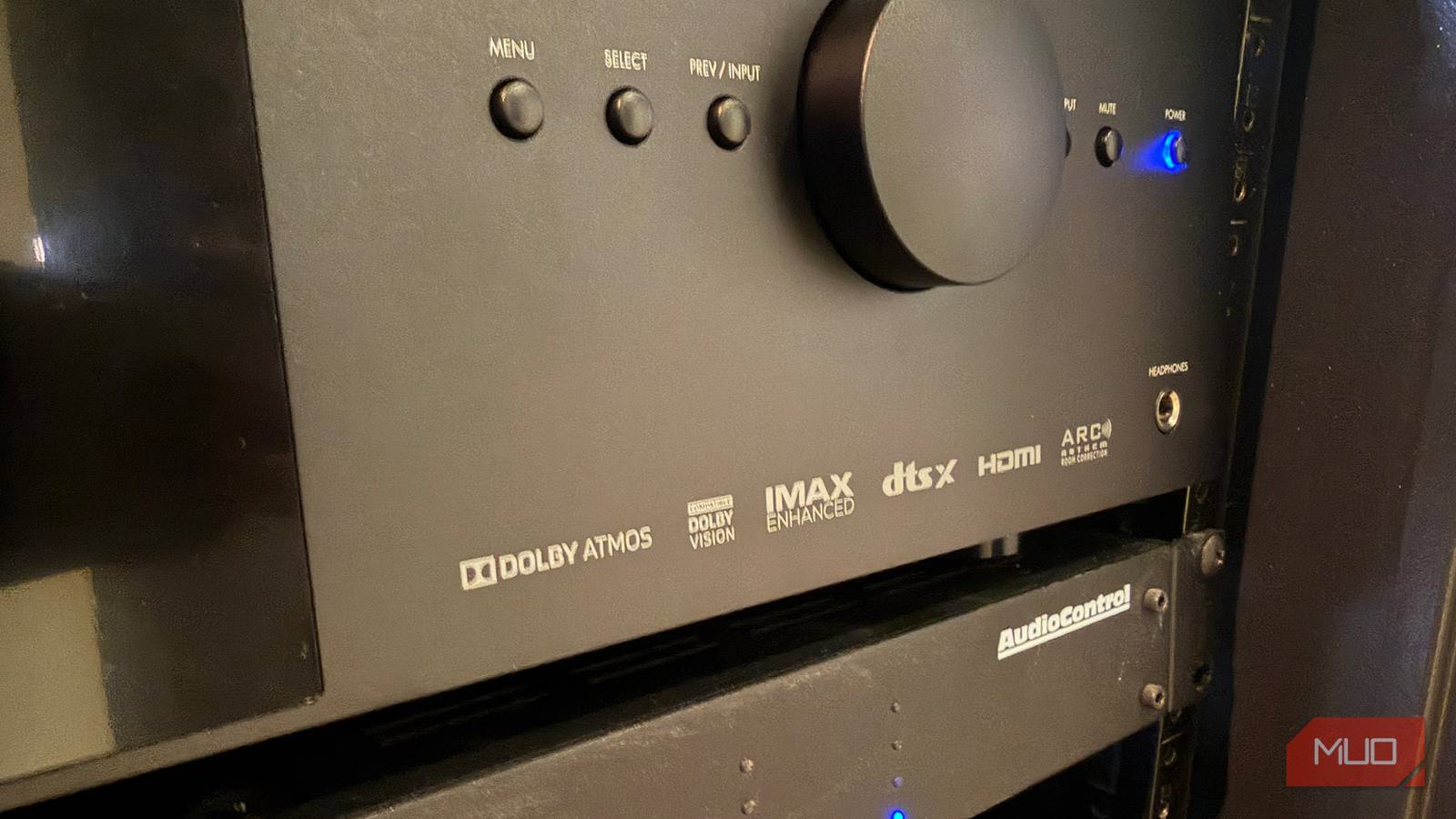
Walk through any electronics department today, and you will see a recurring motif: a small, sleek logo reading “Dolby Atmos.” It is plastered across the boxes of high-end home theater receivers, budget-friendly soundbars, and even the latest smartphones. For the average consumer, the branding suggests a gold standard of immersive audio, a promise that sound will wrap around them in a three-dimensional sphere.
However, as the technology has scaled from dedicated cinema halls to mobile devices, a gap has emerged between the marketing promise and the actual auditory experience. Many users find that while their hardware “supports” Atmos, the difference in sound quality is negligible, or in some cases, feels artificial. This leads to a critical realization for audio enthusiasts: the most significant upgrade to your listening experience isn’t a more expensive set of speakers or a newer soundbar—it is the quality and nature of the content itself.
Understanding the nuance of Dolby Atmos quality requires moving past the logo and looking at how the audio is actually produced and delivered. When a device claims Atmos support, it doesn’t always mean you are hearing a true spatial mix; often, you are hearing a clever simulation. To truly unlock the potential of immersive audio, the focus must shift from the output device to the source material.
The Ubiquity of the Atmos Logo: Marketing vs. Reality
The proliferation of Dolby Atmos across consumer electronics has created a confusing landscape. In the early days, Atmos required a complex array of ceiling-mounted speakers to bounce sound off the walls and roof, creating a literal “dome” of audio. Today, the term is used to describe everything from a $3,000 integrated home theater to a $400 smartphone. This dilution of the brand makes it difficult for users to know what they are actually paying for.

When you see the logo on a smartphone or a compact soundbar, you are typically dealing with “virtualization.” Because a phone cannot physically place speakers in the ceiling, it uses digital signal processing (DSP) to trick the human brain into perceiving height and depth. While impressive, What we have is a far cry from the discrete, object-based audio designed for the technology. The hardware is merely the delivery vehicle; the real magic—or lack thereof—resides in the audio file being played.
What Is Object-Based Audio?
To understand why content quality is the real upgrade, one must first understand the fundamental shift from channel-based audio to object-based audio. Traditional surround sound (such as 5.1 or 7.1) is channel-based. This means the audio engineer assigns a specific sound—say, a helicopter—to the “rear left” channel. If you don’t have a speaker in that exact spot, you lose the intended effect.
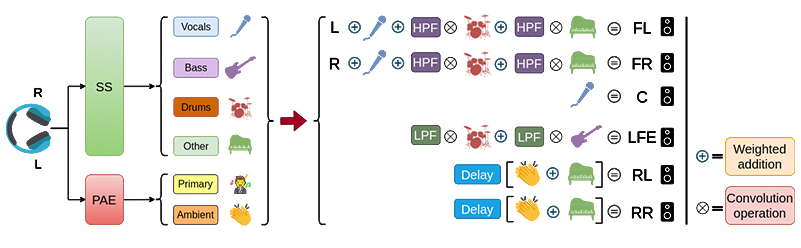
Dolby Atmos changes this paradigm by treating sounds as “objects.” Instead of assigning a sound to a channel, the engineer places the sound object in a 3D coordinate space. The Atmos processor then decides in real-time which speakers in your specific setup should fire to create that sound at that specific coordinate. According to Dolby’s official technical overview, this allows for a much more flexible and precise auditory environment, as the system adapts the mix to the available hardware.
This flexibility is why Atmos is so pervasive, but it is also why the quality varies so wildly. The system can scale down to two speakers (binaural rendering for headphones) or scale up to 64 speakers in a commercial cinema. However, the quality of that scaling depends entirely on how the original “objects” were mixed and how the file is compressed for streaming.
Native Atmos vs. Algorithmic Upmixing
The “biggest upgrade” mentioned is the transition from upmixed content to native Atmos mixes. This is the most overlooked aspect of the spatial audio experience. There are two primary ways a track or movie becomes “Atmos”:
- Native Atmos Mixes: These are created from the ground up. An engineer takes the individual stems of a song or film and manually places them in a 3D space. This results in a cohesive, intentional immersive experience where sounds move logically and organically.
- Algorithmic Upmixing: This occurs when a standard stereo (two-channel) track is run through a processor that uses AI or math to “guess” which sounds should be sent to the surround or height channels. This often results in a “hollow” or “tinny” sound, as the processor is essentially duplicating frequencies to create a sense of space rather than using actual spatial data.
When users complain that spatial audio sounds “flat” or “muffled,” they are often listening to upmixed content. The upgrade, is seeking out native Atmos content—such as high-bitrate films on Blu-ray or curated spatial albums on high-fidelity streaming services—where the spatiality was an artistic choice, not a software afterthought.
The Role of Binaural Rendering in Headphones
For a vast majority of global users, the “Atmos experience” happens through headphones rather than a living room full of speakers. This is achieved through a process called binaural rendering. Since headphones only have two drivers (left and right), Dolby Atmos uses Head-Related Transfer Functions (HRTFs) to mimic the way human ears receive sound from different angles.
The quality of this rendering varies significantly based on the source. Lossy streaming formats compress the audio data to save bandwidth, which can strip away the subtle timing and frequency cues that the brain uses to locate sound in a 3D space. This is why a native, high-resolution Atmos track will feel like the sound is “outside” your head, while a low-quality stream feels like standard stereo with a strange reverb effect applied.
How to Optimize Your Dolby Atmos Experience
If you want to move beyond the marketing and actually experience the technology as intended, focus on these three pillars of audio quality:

1. Prioritize Native Content: Look for “Dolby Atmos” labels on content that is known for high production values. In music, look for albums specifically remixed for spatial audio rather than those that simply say “spatial audio enabled,” which may indicate an automated upmix.
2. Evaluate Your Delivery Method: Streaming is convenient, but it is often heavily compressed. For the highest quality, physical media like 4K UHD Blu-rays provide lossless Atmos tracks that preserve the full dynamic range and precise object placement that streaming services often sacrifice.
3. Match Hardware to Intent: If you are using a soundbar, check if it has “up-firing” drivers. These are physical speakers that point toward the ceiling to reflect sound downward. Without these, any “height” you hear is purely virtual. While virtualized audio is a great entry point, physical reflection is the only way to achieve the true architectural intent of the Atmos format.
The Future of Immersive Audio
As we move forward, the industry is shifting toward more personalized audio. We are seeing the rise of “personalized spatial audio,” where devices use cameras to map the unique shape of a user’s ear to calibrate the HRTF for better binaural rendering. This suggests that the next great upgrade won’t be a new speaker, but a better software profile that understands exactly how you hear sound.
The goal of Dolby Atmos was never just to add more speakers; it was to remove the limitations of channels and allow sound to move freely. When the industry prioritizes the quality of the mix over the ubiquity of the logo, the technology will finally live up to its promise.
The next major milestone for the industry will likely be the widespread adoption of lossless spatial audio streaming, reducing the reliance on physical discs while maintaining cinema-grade quality. As bandwidth increases and codecs evolve, the gap between “marketing Atmos” and “true Atmos” should begin to close.
Do you feel the “spatial audio” trend has improved your listening experience, or does it feel like a marketing gimmick? Share your thoughts in the comments below.
Keep reading