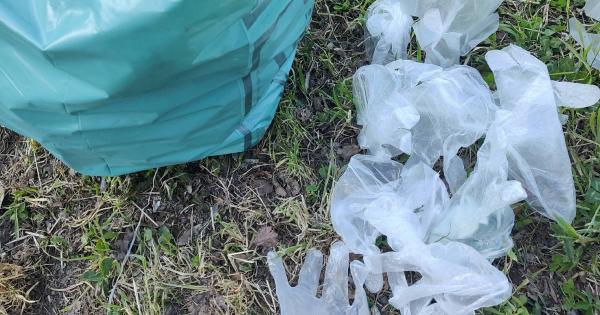
The intersection of public health and environmental sustainability has become a focal point for modern healthcare and food safety protocols. While the use of disposable gloves is often viewed as a gold standard for hygiene in various commercial and clinical settings, the environmental cost of this practice—specifically the proliferation of plastic waste in drainage systems—is raising significant concerns among public health experts and environmentalists.
The practice of wearing disposable gloves in food handling or clinical environments is intended to create a barrier against contamination. However, when these items are improperly discarded, they frequently conclude up in sewage and drainage channels, contributing to long-term ecological damage and infrastructure blockages. This tension highlights a critical gap between immediate sanitary goals and the broader necessity of environmental stewardship.
As an internist and health journalist, I have observed how “hygiene theater”—the implementation of visible but potentially ineffective safety measures—can sometimes overshadow more impactful health interventions. In the context of food handling, for example, the perception of safety provided by gloves can sometimes lead to a decrease in rigorous handwashing, while the resulting waste creates a secondary public health crisis through environmental pollution.
The Paradox of Disposable Hygiene Standards
In many professional settings, disposable gloves are adopted as an internal hygiene standard. The logic is straightforward: a physical barrier prevents the transfer of pathogens from the skin to the product or patient. Yet, this approach often overlooks the lifecycle of the product. When gloves are discarded haphazardly, they enter the waste stream as non-biodegradable pollutants. In urban areas, this frequently manifests as gloves ending up in drainage channels, where they resist decomposition and obstruct water flow.
This issue is particularly evident in the food industry. There is a common observation that while a worker may wear gloves to handle produce, the fruits and vegetables themselves have already passed through numerous hands during harvesting, transport, and wholesale distribution. This suggests that the final “barrier” provided by a disposable glove may offer a marginal benefit compared to the significant environmental footprint it leaves behind.
From a clinical perspective, the misuse of disposable equipment is a known challenge. Proper sanification involves a tiered approach: cleaning (physical removal of dirt), detergent use, and disinfection. According to guidelines from the Istituto Superiore di Sanità (ISS) and the World Health Organization (WHO), sanification is a comprehensive set of procedures designed to eliminate pathogenic microorganisms from surfaces and instruments. When gloves are used as a substitute for these fundamental cleaning protocols, or when they are disposed of improperly, the overall goal of infection prevention is compromised.
Regulatory Frameworks and Workplace Safety
The responsibility for maintaining a sanitary environment falls heavily on employers and facility managers. In Italy, the primary regulatory reference for hygiene and cleanliness in the workplace is the Testo Unico sulla Sicurezza sul Lavoro (TUSL), specifically d.lgs. 81/2008. This legislation mandates that workers have the right to a healthy environment that does not jeopardize their physical or psychological health.
Under TUSL, employers must ensure that work areas, including floors, ceilings, and transit zones, are kept safe and sanitary to prevent accidents and health risks. The law also specifies that service areas—such as bathrooms and changing rooms—must be separated from active work areas to maintain hygiene. While the law focuses on the safety of the worker, the downstream effect of these hygiene mandates often involves the massive procurement of disposable plastics, which, if not managed through a strict waste-disposal protocol, leads to the contamination of local waterways and drains.
the quality of the indoor environment extends beyond surface cleanliness to air quality. The Decreto CAM Edilizia – 2022 emphasizes the importance of ventilation and air quality in public buildings, illustrating that modern health standards are moving toward a more holistic view of “salubrity” that includes both the air we breathe and the waste we produce.
Environmental Impact and Public Health Risks
The presence of disposable gloves in drainage channels is not merely an aesthetic issue; it is a functional and ecological threat. Plastic gloves, typically made of nitrile, vinyl, or latex, do not break down quickly in the environment. When they clog drains, they can lead to stagnant water, which in turn becomes a breeding ground for insects and bacteria, potentially increasing the risk of local infections.
The “hygiene paradox” is that the very tools used to prevent the spread of germs can contribute to environmental degradation that ultimately harms public health. This is particularly concerning in healthcare settings. The European Centre for Disease Prevention and Control (ECDC) provides recommendations on the frequency and methods of sanification in high-risk areas like intensive care units and operating rooms, emphasizing the need for rigorous waste management of infected materials to prevent environmental contamination.
Key Considerations for Sustainable Hygiene
- Prioritize Hand Hygiene: Rigorous handwashing remains the most effective way to prevent the spread of pathogens, often rendering the “barrier” of a glove redundant in low-risk food handling.
- Strict Disposal Protocols: Implementing closed-loop waste systems ensures that disposable items reach incineration or specialized recycling rather than drainage systems.
- Material Innovation: Shifting toward biodegradable or compostable alternatives for single-use items can mitigate the long-term impact on urban infrastructure.
- Personnel Training: Education on the difference between “cleaning” (removal of dirt) and “disinfection” (elimination of microorganisms) reduces the over-reliance on disposable barriers.
Moving Toward a Holistic Health Model
The transition from a “disposable culture” to a sustainable health model requires a shift in how we define safety. For too long, hygiene has been equated with the use of single-use plastics. However, true public health incorporates “One Health” principles, recognizing that human health is inextricably linked to the health of the animals and the shared environment.
When gloves end up in the canals and drains of our cities, it is a symptom of a systemic failure in waste management and a misunderstanding of hygiene. The goal should not be the elimination of all contact, but the management of risk through science-based protocols. This includes the standardization of procedures and regular audits, as recommended by the WHO Guidelines on Core Components of Infection Prevention and Control.
For those managing food services or clinical environments, the focus must shift toward integrated sanification. This means combining physical cleaning, chemical disinfection, and strict waste oversight to ensure that the pursuit of a sterile environment does not result in a polluted one.
The next critical step for regulatory bodies will be the integration of environmental waste metrics into standard health and safety audits. By tracking the volume of disposable plastics used and their verified disposal paths, institutions can move away from “hygiene theater” and toward genuine, sustainable public health.
Do you believe the convenience of disposable hygiene outweighs the environmental cost? We invite you to share your thoughts and experiences in the comments below.
Keep reading