
Biological aging doesn’t follow a strict calendar—it’s a complex interplay of cellular decline, metabolic shifts, and epigenetic changes. But two critical turning points, around ages 44 and 60, mark periods where the pace of aging accelerates, according to emerging research in geroscience and epigenetics. These transitions aren’t arbitrary; they reflect measurable shifts in DNA methylation patterns, stem cell function, and organ resilience, say scientists at the Buck Institute for Research on Aging and the Altos Labs.
The findings challenge the notion that aging is a gradual, linear process. Instead, they suggest that biological age can “jump” during these decades—meaning a 44-year-old might have the cellular markers of a 50-year-old, or a 60-year-old could experience metabolic changes akin to someone in their late 60s or early 70s. “These aren’t just statistical artifacts,” says Dr. S. Jay Olshansky, a professor of public health at the University of Illinois at Chicago and co-author of How Long Will You Live?. “They correspond to real physiological transitions where interventions—diet, exercise, or even emerging therapies—could make a measurable difference.”
What’s driving these shifts? A 2023 study in Nature Aging identified epigenetic clocks that track biological age more precisely than chronological age. At 44, many people experience a decline in telomere length—the protective caps on chromosomes—and increased inflammation, while at 60, mitochondrial function often deteriorates, reducing energy production in cells. “These aren’t just numbers,” says Dr. Emma Morley, a gerontologist at the University College London. “They’re biological red flags that, if addressed early, could delay or even reverse some aging-related diseases.”
Why Do These Ages Stand Out in Biological Aging?
The 44-year mark coincides with a midlife crisis in more ways than one. Research published in The Journals of Gerontology found that this decade often sees a sharp rise in age-related inflammation (inflammaging) and a decline in adipose tissue regeneration, which affects metabolism and fat distribution. “This is when many people start noticing changes in energy levels, skin elasticity, and even cognitive sharpness,” says Dr. Morley. “But it’s also when lifestyle interventions—like targeted exercise or fasting—can still reverse some of these trends.”

At 60, the body faces a more dramatic shift. A 2022 study in Cell Metabolism highlighted how mitochondrial DNA mutations accumulate, impairing cellular energy production. This is also when the risk of age-related diseases—like cardiovascular disease, type 2 diabetes, and neurodegenerative conditions—begins to rise exponentially. “By 60, the body’s repair mechanisms are working at about 60% efficiency,” says Dr. Olshansky. “That’s why preventive strategies—from medication to lifestyle—become even more critical.”
What Does This Mean for Health and Longevity?
The implications are profound. If biological aging accelerates at these points, it suggests that interventions—whether through structured exercise, caloric restriction, or emerging therapies like senolytics (drugs that clear “zombie cells”)—could be most effective when applied before these transitions. “The window for meaningful change narrows after 60,” warns Dr. Morley. “But by 44, you’re still in a phase where the body can adapt.”
For individuals, this research underscores the importance of proactive health monitoring. Epigenetic clocks—like the Horvath Clock or GrimAge—can now estimate biological age using blood tests, offering a snapshot of where someone stands relative to these critical milestones. “This isn’t about fear-mongering,” says Dr. Olshansky. “It’s about empowerment. If you know your biological age is ahead of your chronological age, you can act.”
What Happens Next? The Science of Delaying These Transitions
Researchers are now exploring how to push back these biological turning points. A 2023 clinical trial at Mayo Clinic found that a combination of high-intensity interval training (HIIT) and time-restricted eating could slow epigenetic aging by up to 3 years in adults over 40. Meanwhile, companies like Altos Labs are investing in senescent cell therapies to target the root causes of these transitions.
But experts caution that no single intervention will work for everyone. “Aging is highly individual,” says Dr. Morley. “Genetics, environment, and even gut microbiome composition play roles. The best approach is personalized.” For now, the most actionable advice remains consistent: prioritize sleep, manage stress, engage in regular physical activity, and monitor biomarkers like blood pressure, cholesterol, and inflammation. “These aren’t just recommendations—they’re tools to help you stay ahead of the biological clock,” says Dr. Olshansky.
Key Takeaways: What You Need to Know
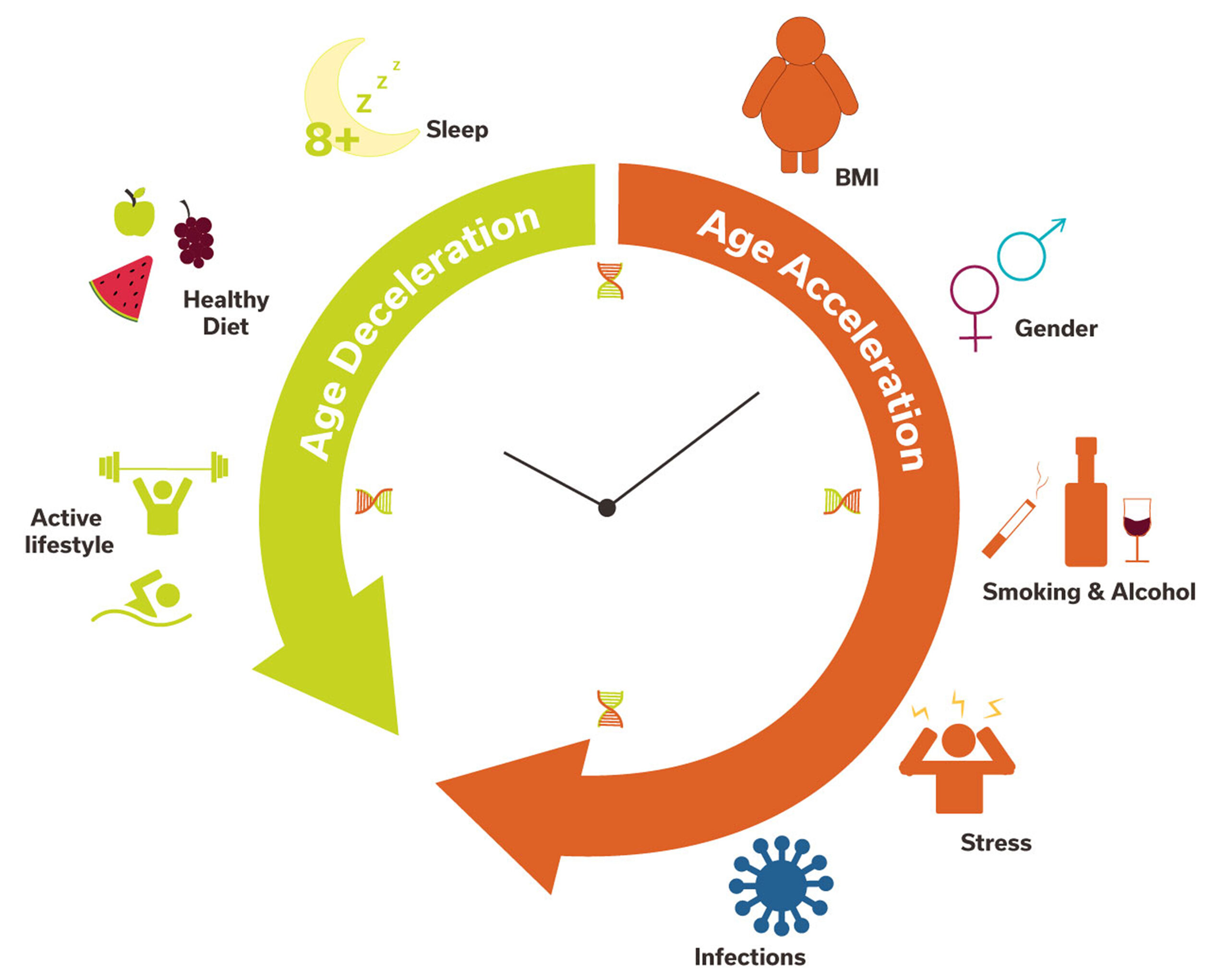
- Biological aging accelerates at ~44 and ~60 due to epigenetic shifts, inflammation, and mitochondrial decline.
- Epigenetic clocks (like Horvath or GrimAge) can estimate biological age and track these transitions.
- Lifestyle interventions—exercise, diet, and stress management—can delay or mitigate these changes.
- Emerging therapies (senolytics, mitochondrial support) are being tested to target these biological turning points.
- Monitoring biomarkers (inflammation, telomere length, metabolic health) is critical for proactive aging.
What’s Next? The Future of Aging Research
The next frontier lies in intervention trials to test whether these biological transitions can be delayed or reversed. The National Institute on Aging (NIA) is funding studies to explore the effects of rapamycin and metformin on epigenetic aging. Meanwhile, private sector efforts—like those at Calico (Alphabet’s longevity division)—are focusing on stem cell rejuvenation and senescence clearance.
The next major checkpoint for this research will be the Altos Labs Phase I trial, set to begin in early 2025, which aims to test a senolytic drug in humans. Results could redefine how we approach aging as a treatable condition rather than an inevitable process.
For now, the message is clear: biological aging isn’t a straight line. It’s a series of transitions—and understanding them could be the key to living longer, healthier lives.
Dr. Helena Fischer is a physician and health journalist with an MD from Charité – Universitätsmedizin Berlin. As Editor of Health at World Today Journal, she specializes in translating complex medical research into actionable insights for global audiences.
Have questions about biological aging or how to monitor your own health markers? Share your thoughts in the comments—or tag a friend who’d find this useful. For the latest updates on aging research, follow NIA’s news or explore epigenetic clock tools.
Keep reading