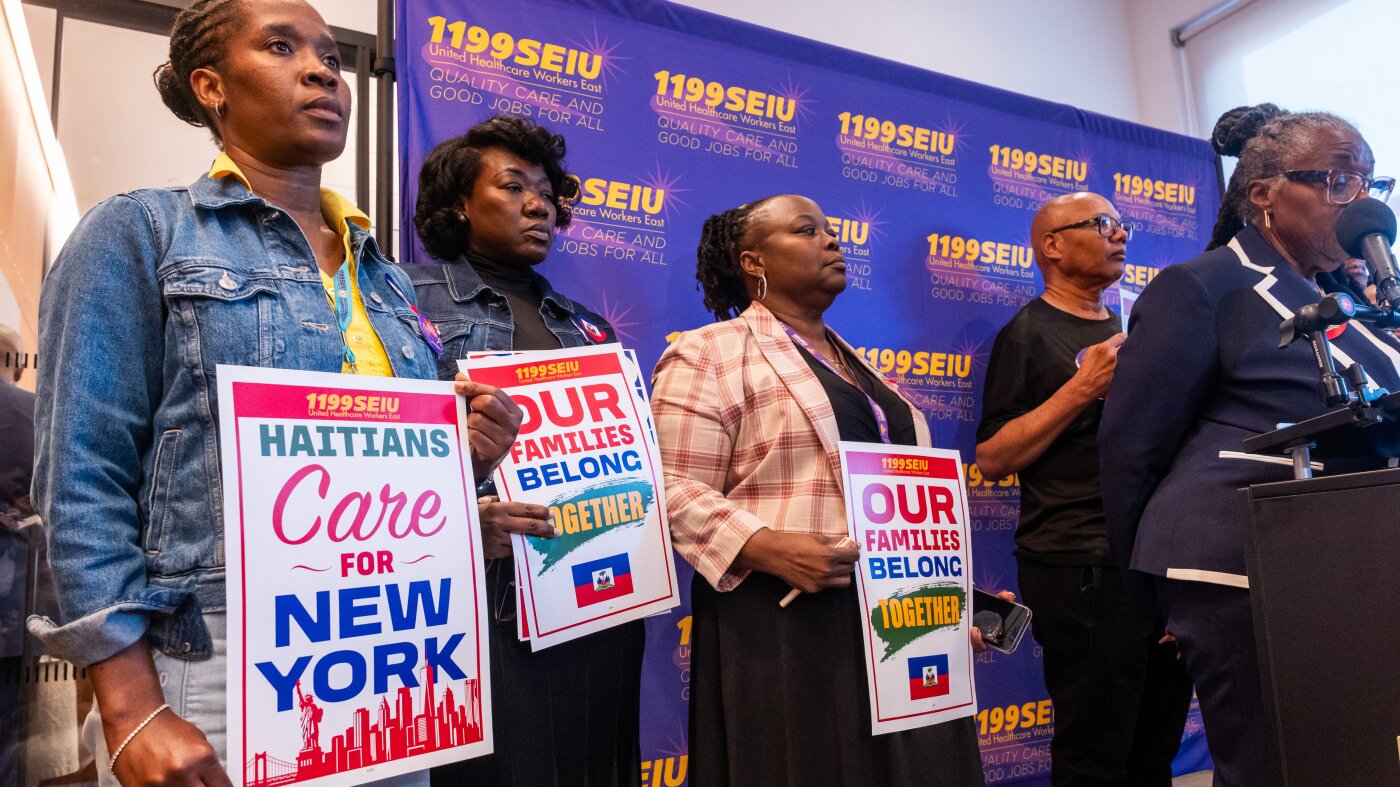
Mass deportations would be felt across hospitals and emergency rooms, which already face persistent staffing shortfalls. The long-term healthcare sector will suffer the greatest disruptions, experts say.
While the legal framework for domestic immigration enforcement remains a subject of ongoing litigation and executive policy, the healthcare sector is already managing a vacancy crisis. Any federal action that removes significant portions of the existing workforce could create a sudden, localized collapse in emergency room capacity and patient care continuity.
The Structural Vulnerability of Healthcare Staffing
The U.S. healthcare system relies heavily on a diverse, international workforce to maintain 24-hour operations. This is particularly evident in urban centers and rural facilities where staffing ratios are already strained. When hospitals experience sudden labor reductions, the immediate impact is often felt in the emergency department, where throughput depends on the availability of support staff, nurses, and technicians.

Beyond the emergency room, the long-term care sector—which includes nursing homes, assisted living facilities, and home health agencies—is identified by policy experts as the most vulnerable. These facilities operate on thin margins and already struggle with high turnover. A reduction in the available labor pool would likely force many institutions to limit admissions or reduce the quality of care, placing additional pressure on acute-care hospitals that would be forced to absorb patients who cannot be discharged to lower-level care settings.
Legal Uncertainties and Federal Oversight
The intersection of immigration enforcement and healthcare access is currently shaped by a shifting landscape of federal mandates and court rulings. The practical implementation of internal enforcement measures creates significant uncertainty for hospital compliance departments. Under the Emergency Medical Treatment and Labor Act (EMTALA), hospitals are legally mandated to provide stabilizing care to anyone who comes to the emergency department, regardless of immigration status or ability to pay.
Compliance officers are now tasked with navigating conflicting pressures: the federal mandate to provide care and the potential for increased scrutiny or disruption of their workforce. The lack of a uniform, long-term policy regarding non-citizen healthcare workers creates a climate of instability that prevents hospitals from engaging in necessary long-term recruitment and retention planning.
Impact on Patient Care and Public Health
The potential for mass deportations to disrupt healthcare delivery is not limited to the loss of employees. Experts emphasize that the ripple effects extend to public health outcomes, including the management of chronic conditions and infectious disease surveillance. When individuals fear interaction with public institutions, they are less likely to seek preventative care, leading to higher rates of advanced, more costly medical crises that eventually present in emergency departments.
Without a stable labor force, the cost of medical care is expected to rise as facilities offer incentives to attract a shrinking pool of applicants. This, in turn, impacts the overall health of the U.S. population by limiting access to primary and specialized care.
As the conversation regarding immigration policy continues at the federal level, healthcare providers remain in a state of high alert. Stakeholders are encouraged to monitor the official legislative calendar for upcoming committee hearings on immigration and healthcare workforce reform.
We invite our readers to participate in the discussion below regarding the balance between national immigration policy and the operational needs of the U.S. healthcare system. Please share your insights or observations on how these developments are affecting care in your local community.