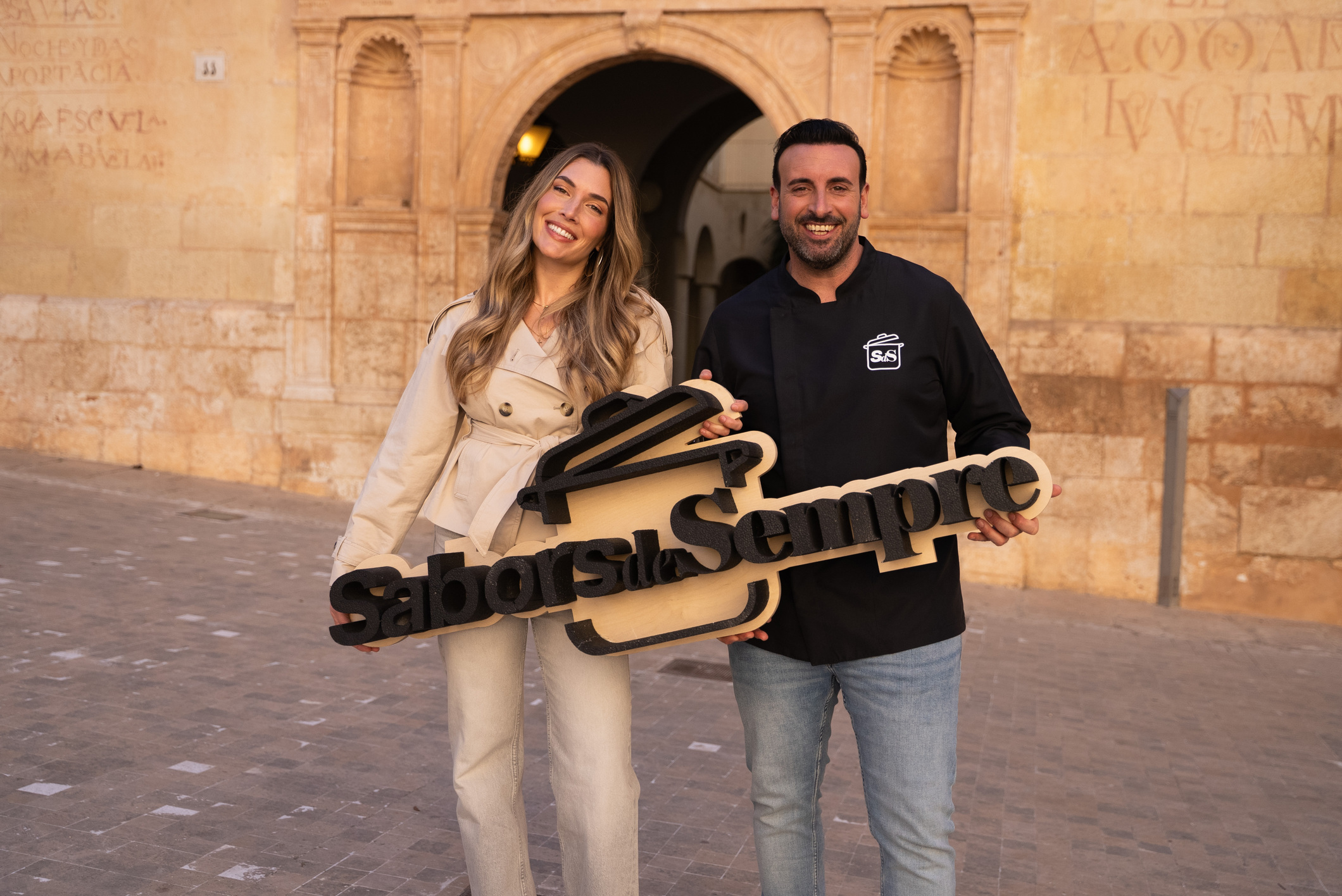
The regional broadcaster À Punt has concluded its culinary travel series Sabors de sempre with a feature on the traditional octopus stew of Benissa, prepared by the local establishment Los Piratas. This dish, often referred to as puchero de pulpo, serves as a cornerstone of the gastronomic identity of the Marina Alta region in Alicante, Spain. According to local records from the Benissa Town Council, the recipe is deeply embedded in the town’s history and has inspired a dedicated annual celebration that draws both residents and visitors to the area.
The final episode of the series, which focused on documenting traditional Valencian recipes, highlighted how specific family-run restaurants preserve culinary heritage. Los Piratas, a long-standing fixture in Benissa’s dining scene, was selected for its adherence to the slow-cooking methods that define the local identity. The dish represents more than just a meal; it is a cultural marker that differentiates Benissa’s cuisine from neighboring coastal towns, as noted in regional tourism documentation provided by the Generalitat Valenciana.
The Cultural Significance of the Octopus Stew
The puchero de pulpo is characterized by its reliance on locally sourced ingredients and a specific preparation technique that requires patience. Unlike modern, rapid-cooking methods, the traditional approach involves simmering the octopus with potatoes, onions, and local spices over a low flame for several hours. This process ensures the texture remains tender while the broth absorbs the essence of the seafood.
According to culinary historians cited by the Spanish Royal Academy of Gastronomy, such stews were historically developed by fishing communities to maximize available resources. In Benissa, the dish has evolved into a symbol of community cohesion. The local celebration centered around this recipe serves as a vital economic and social driver, reinforcing the town’s position on the map of Mediterranean culinary tourism.
Preserving Heritage Through Public Broadcasting
The decision to feature Los Piratas in the final episode of Sabors de sempre underscores the role of public media in safeguarding intangible cultural heritage. By documenting the exact steps of the preparation, the production team at À Punt has created a digital archive that ensures the recipe is accessible to future generations. This initiative aligns with broader European efforts to catalog and protect regional food traditions, as outlined in the Spanish Ministry of Culture’s guidelines on intangible heritage.

For the owners of Los Piratas, the exposure serves as recognition of decades spent maintaining standards that prioritize local produce over convenience. The restaurant’s commitment to these traditional practices is consistent with the broader movement of “slow food” in the Valencian Community, which emphasizes the connection between the land, the sea, and the table.
Why This Culinary Tradition Matters
The endurance of the octopus stew in Benissa highlights a broader trend in Spanish tourism: the shift toward authentic, place-based experiences. Travelers are increasingly seeking destinations that offer unique, non-homogenized food cultures. The puchero de pulpo acts as a primary hook for visitors, providing a tangible link to the history of the Marina Alta region. As the town continues to promote its gastronomic events, the stew remains the centerpiece of its annual cultural calendar.
The impact of such media coverage is measurable in the increased interest in local markets and artisanal food producers. By showcasing the specific techniques used at Los Piratas, the program has provided a practical guide for those interested in authentic Valencian home cooking, while simultaneously boosting the visibility of Benissa’s local economy.
Looking Ahead: Gastronomic Events in Benissa
While the Sabors de sempre series has concluded, the promotion of Benissa’s culinary heritage continues through the municipality’s ongoing calendar of food-focused events. The local government maintains a schedule of festivals and workshops designed to teach younger generations the nuances of traditional cooking. Residents and visitors interested in attending future demonstrations or tasting events can find official updates through the Benissa Tourism Office website.

The town council is expected to release its schedule for the upcoming autumn gastronomic season in the coming weeks. Readers are encouraged to monitor official municipal channels for announcements regarding workshops, ingredient fairs, and public cooking demonstrations. Please share your thoughts on traditional Mediterranean cooking or your experiences with Benissa’s unique culinary scene in the comments section below.
Related reading