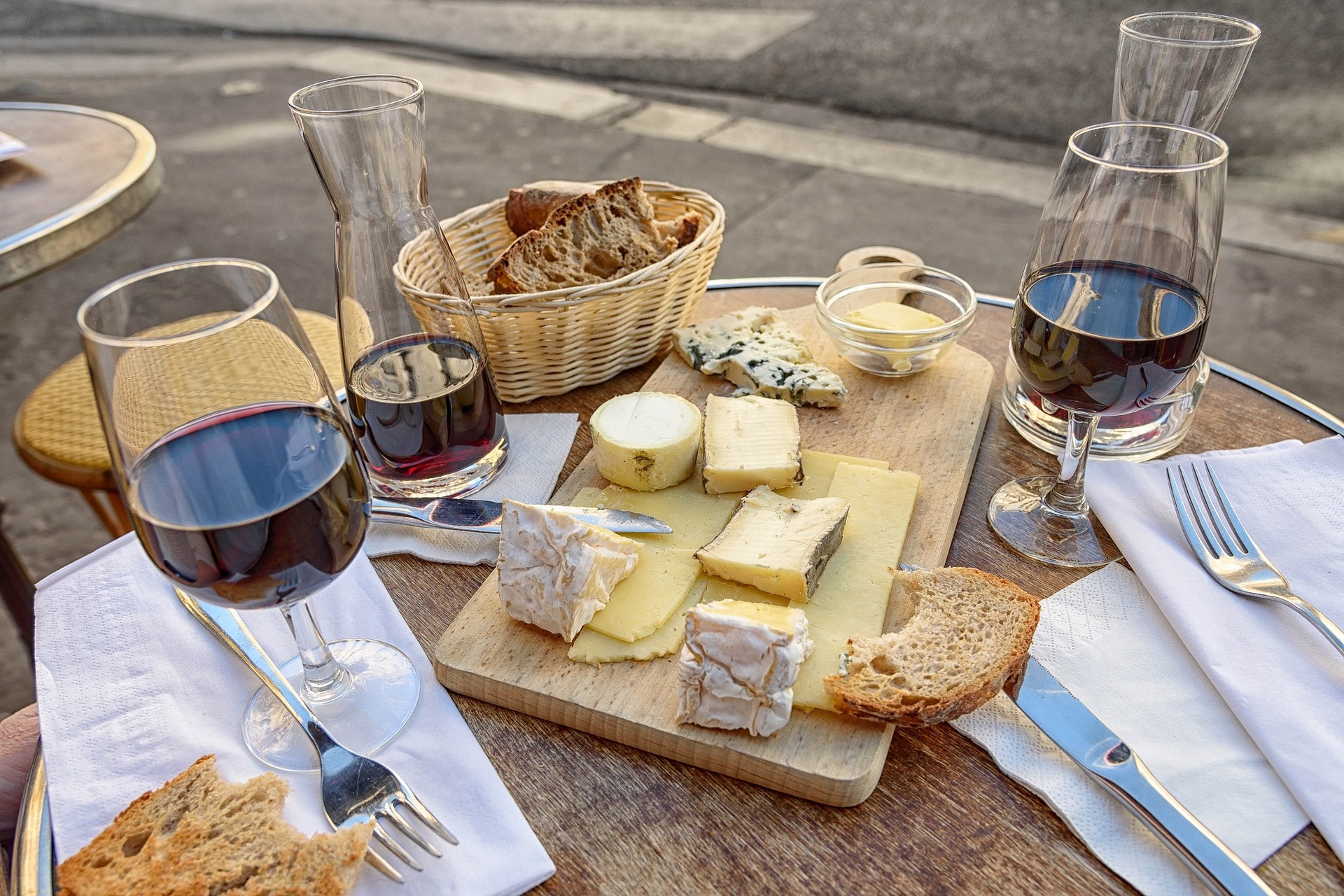
Paris is often described as the gastronomic capital of the world, a city where the act of eating is elevated to a cultural ritual. For many visitors, the challenge is not finding a meal, but determining the best dish to taste in Paris before their journey ends. From the butter-laden pastries of the 6th arrondissement to the complex reductions of a Michelin-starred kitchen, the city’s culinary landscape offers a dizzying array of choices.
Whereas the city is famous for its haute cuisine, the true essence of Parisian dining often lies in the balance between tradition and innovation. Whether it is a simple croque monsieur from a corner bistro or a meticulously plated canard à l’orange, the search for the best dish in Paris usually leads to a debate between timeless classics and modern interpretations of French flavors.
Understanding the best dish to taste in Paris requires a look at the city’s diverse dining districts. The Marais offers a blend of historic Jewish delicacies and trendy bistros, while Saint-Germain-des-Prés remains the bastion of the classic brasserie. These neighborhoods serve as the backdrop for a culinary experience that defines the identity of the French capital.
For those seeking an authentic experience, the focus often shifts from the prestige of the establishment to the quality of the ingredients. The French commitment to terroir—the characteristic taste and quality of a food product based on the geography of where it was produced—is what transforms a standard meal into a definitive Parisian memory.
The Timeless Classics: Defining the Parisian Palate
When discussing the best dish to taste in Paris, one cannot overlook the foundational elements of French cuisine. The Confit de Canard (duck confit) remains a perennial favorite. This process of slow-cooking the meat in its own fat results in a texture that is tender yet crisp, embodying the rustic roots of French cooking. Many traditional bistros continue to serve this dish alongside pommes sarladaises, potatoes sautéed in duck fat.
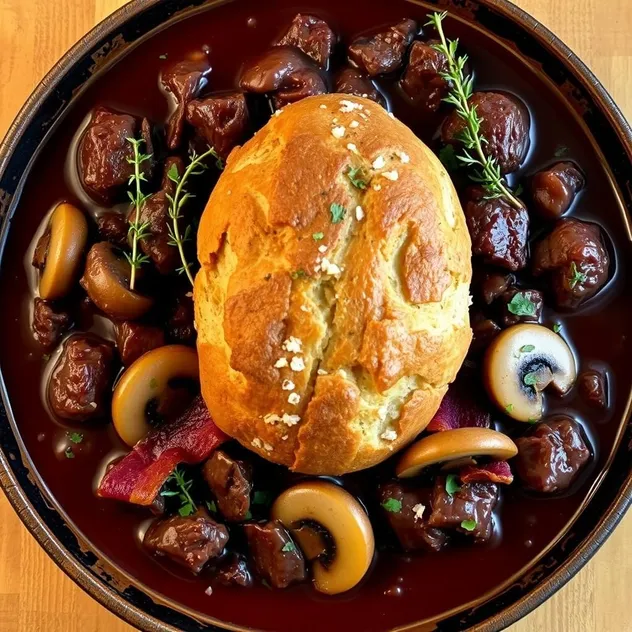
Equally essential is the Boeuf Bourguignon. This slow-cooked beef stew, braised in red Burgundy wine and garnished with carrots, onions, and mushrooms, represents the heart of French comfort food. The depth of flavor achieved through hours of simmering makes it a frequent recommendation for those who seek a taste of traditional France in the heart of the city.
For a lighter but equally iconic experience, the Sole Meunière stands as a testament to French seafood preparation. Flour-dusted sole, sautéed in brown butter and lemon, is a staple of the classic Parisian brasserie. The simplicity of the preparation highlights the freshness of the fish, a hallmark of the high standards maintained by the city’s top chefs.
Beyond the main courses, the Parisian experience is incomplete without the Escargots de Bourgogne. Prepared with a rich garlic and parsley butter, these snails are more than just a novelty for tourists; they are a cherished delicacy that reflects the region’s gastronomic heritage.
The Art of the Boulangerie and Pâtisserie
In Paris, the line between a meal and a snack is often blurred by the excellence of its bakeries. The search for the best dish often leads not to a restaurant, but to a boulangerie. The baguette, officially recognized by UNESCO as part of the Intangible Cultural Heritage of Humanity, is the city’s most fundamental food item. A tradition baguette, made without additives and baked in a traditional oven, is the gold standard for locals.
The pastry scene is where Paris truly shines. The Macaron, with its delicate almond meringue and vibrant colors, has become a global symbol of Parisian luxury. While many shops offer them, the focus remains on the balance of sweetness and the “melt-in-the-mouth” texture that defines a perfect macaron.
For those preferring something more substantial, the Éclair and the Mille-feuille offer a study in contrast. The éclair provides a smooth, cream-filled experience, while the mille-feuille (meaning “thousand sheets”) delivers a crisp, layered crunch. These desserts are not merely sweets; they are engineered feats of culinary precision.
The Croissant and Pain au Chocolat are the undisputed kings of the Parisian morning. The quality of these pastries depends entirely on the beurrage—the process of folding high-quality butter into the dough to create hundreds of thin, flaky layers. A truly exceptional croissant should have a honeycomb interior and a golden, shattered crust.
Modern Gastronomy and the New Wave of Bistros
While tradition is paramount, Paris is currently experiencing a “Bistronomy” movement. This trend, which blends the relaxed atmosphere of a bistro with the techniques of gastronomy, has redefined what visitors look for when seeking the best meal in the city. Young chefs are stripping away the formality of white tablecloths to focus on seasonal, locally sourced ingredients.
This movement has led to the rise of the Neo-Bistro, where the menu changes daily based on what is available at the markets. This approach allows for more creativity, leading to dishes that blend traditional French bases with global influences—such as Japanese precision or North African spices—reflecting the multicultural reality of modern Paris.
The impact of this shift is visible in the 11th and 10th arrondissements, where small, unassuming eateries often outperform historic institutions in terms of innovation. Here, the “best dish” might be a creative vegetable-forward plate or a modern take on a classic terrine, proving that Parisian cuisine is a living, breathing entity rather than a museum piece.
Practical Tips for Navigating the Parisian Food Scene
To discover the best dining experiences, visitors should consider the following guidelines:
- Check the Menu: A short menu is often a sign of quality, indicating that the chef is focusing on a few dishes prepared with fresh, seasonal ingredients.
- Timing Matters: Lunch is typically served from 12:00 PM to 2:30 PM, and dinner begins around 7:00 PM. Many of the best establishments require reservations, especially those mentioned in gastronomic guides.
- Look for the Label: The Boulangerie Artisanale label ensures that the bread is kneaded and baked on-site, avoiding industrial shortcuts.
- Explore the Markets: Visiting markets like Marché d’Aligre provides insight into the raw ingredients that fuel the city’s best restaurants.
Key Culinary Takeaways
- Traditional Favorites: Duck confit and Boeuf Bourguignon remain the gold standards for hearty, authentic French meals.
- Pastry Excellence: The baguette and croissant are essential cultural touchstones, with the tradition baguette being the most prized.
- The Bistronomy Trend: Modern Parisian dining is shifting toward “Neo-Bistros” that prioritize seasonal ingredients over formal service.
- Regional Influence: Much of Paris’s best food is a distillation of regional French styles, particularly from Burgundy and the South.
As the city continues to evolve, the definition of the best dish in Paris will likely shift. However, the core commitment to quality and the celebration of flavor remain constant. For the traveler, the reward is not just in the taste, but in the discovery of a hidden gem in a cobblestone alley or the perfection of a simple pastry enjoyed on a park bench.
For those planning a visit, the next major culinary milestone will be the seasonal menu rotations that occur every autumn and spring, where chefs introduce the latest harvests of truffles, wild mushrooms, and spring asparagus. We encourage readers to share their own definitive Parisian culinary discoveries in the comments below.
Keep reading