
The conversation surrounding the redevelopment of the former Valley View Mall site in Dallas has reached a fever pitch, as recent discussions regarding a potential relocation of the Dallas Mavericks’ practice facility and headquarters have ignited both local excitement and significant community apprehension. For years, the 80-acre site in North Dallas has remained a focal point of urban planning debates, transitioning from a bustling retail hub to a vacant expanse following the demolition of the aging structure.
As the city navigates the complexities of modernizing its urban landscape, the prospect of a major sports franchise anchoring the redevelopment of the Valley View district brings into sharp focus the intersection of professional sports, public infrastructure, and neighborhood revitalization. While the prospect of high-profile investment often signals economic growth, it also raises critical questions about traffic management, displacement, and the long-term vision for the Midtown area, as noted in recent Dallas City Hall planning documents regarding the Midtown district’s evolution.
The Economic Stakes of Midtown Redevelopment
The Valley View Mall site, once a landmark of North Dallas commerce, has been subject to various master-planned proposals since its decline began in the early 2010s. The current discourse surrounding the Dallas Mavericks’ potential interest is not merely about sports. it is about the broader economic revitalization of the Preston Hollow and Midtown corridors. Proponents of the move argue that anchoring the development with a high-profile entity could serve as a catalyst for surrounding mixed-use housing, retail, and public green spaces, which have been stalled for several years.
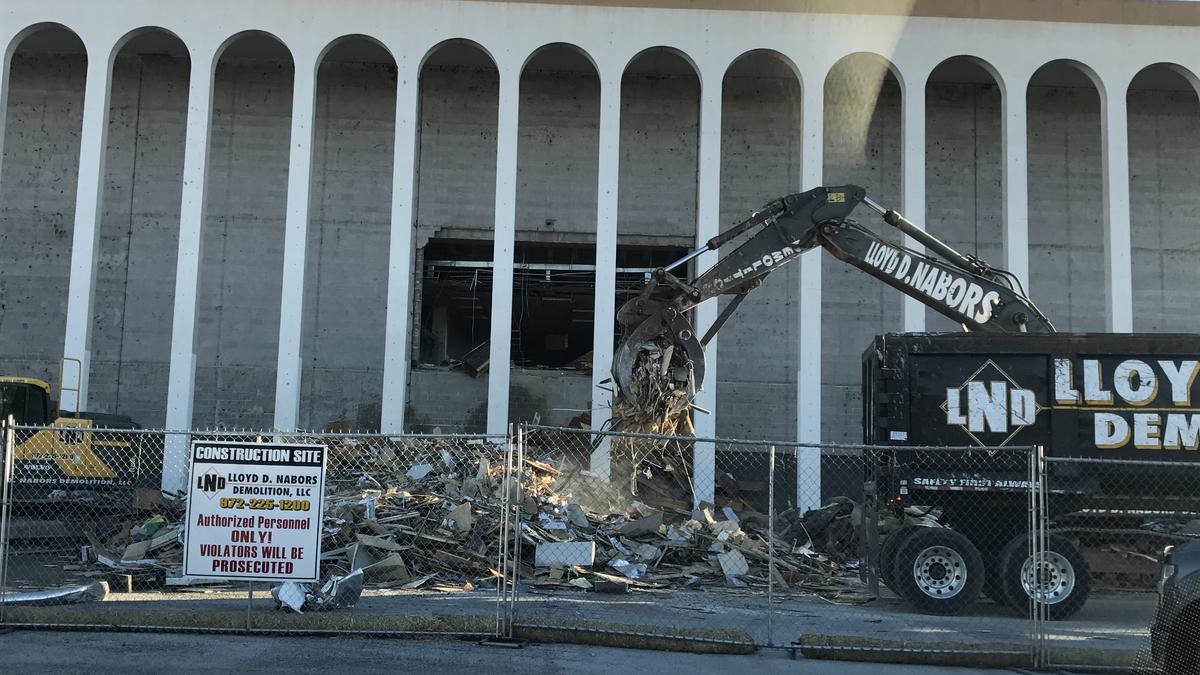
However, the skepticism remains palpable. Local neighborhood associations have repeatedly voiced concerns regarding the density of such projects and the potential strain on existing infrastructure. The City of Dallas has historically faced challenges in balancing the demands of developers with the preservation of residential character in surrounding districts. For residents, the “cheers” are tempered by the fear that a sports-centric development might prioritize luxury amenities over the affordable housing and community-focused infrastructure promised in initial redevelopment phases.
Infrastructure and Community Impact
The logistical reality of bringing a professional sports organization to the Valley View site involves more than just architectural renderings. Experts in urban planning point to the necessity of significant traffic studies and road improvements in the vicinity of the LBJ Freeway and Preston Road intersection. As the city evaluates the long-term transit implications, the conversation has shifted toward how these developments integrate with the broader North Texas transportation network.
The community’s reaction is deeply divided along these lines. Supporters see the potential for a “Mavericks District” to bring consistent foot traffic and tax revenue to a part of the city that has struggled with a “dead zone” for nearly a decade. Conversely, critics argue that the city should prioritize public parks and community centers over private-sector sports infrastructure, especially given the historical context of the site’s failed retail life cycle.
Key Considerations for Stakeholders
- Economic Impact: Potential for increased local tax base and job creation.
- Urban Density: Balancing high-traffic sports facilities with residential living.
- Transit Integration: Addressing the connectivity of the site to the wider DFW area.
- Public Benefit: Ensuring that any deal includes tangible community assets beyond the private facility.
What Happens Next: Navigating the Approval Process
For those following the saga of the Valley View site, the next phase will involve a series of public hearings and zoning reviews. Any development of this magnitude requires adherence to the City of Dallas Development Code, which governs land use, density, and environmental impact. There has been no formal announcement finalizing the Mavericks’ move to this specific location, and the city remains in the early stages of evaluating potential site proposals.

The path forward is likely to include:
- Formal submission of site development plans to the Dallas City Council.
- Comprehensive traffic impact analysis and public environmental assessments.
- Community town hall meetings to solicit input from Preston Hollow and surrounding neighborhood residents.
- Potential legislative action regarding tax incentives or municipal bonds if the project qualifies for public-private partnership status.
As we continue to monitor this story, the focus remains on transparency and the long-term impact on Dallas residents. We invite our readers to share their perspectives on the redevelopment of the Valley View area in the comments section below. Stay tuned for further updates as the city schedule for upcoming planning commission meetings is released.