
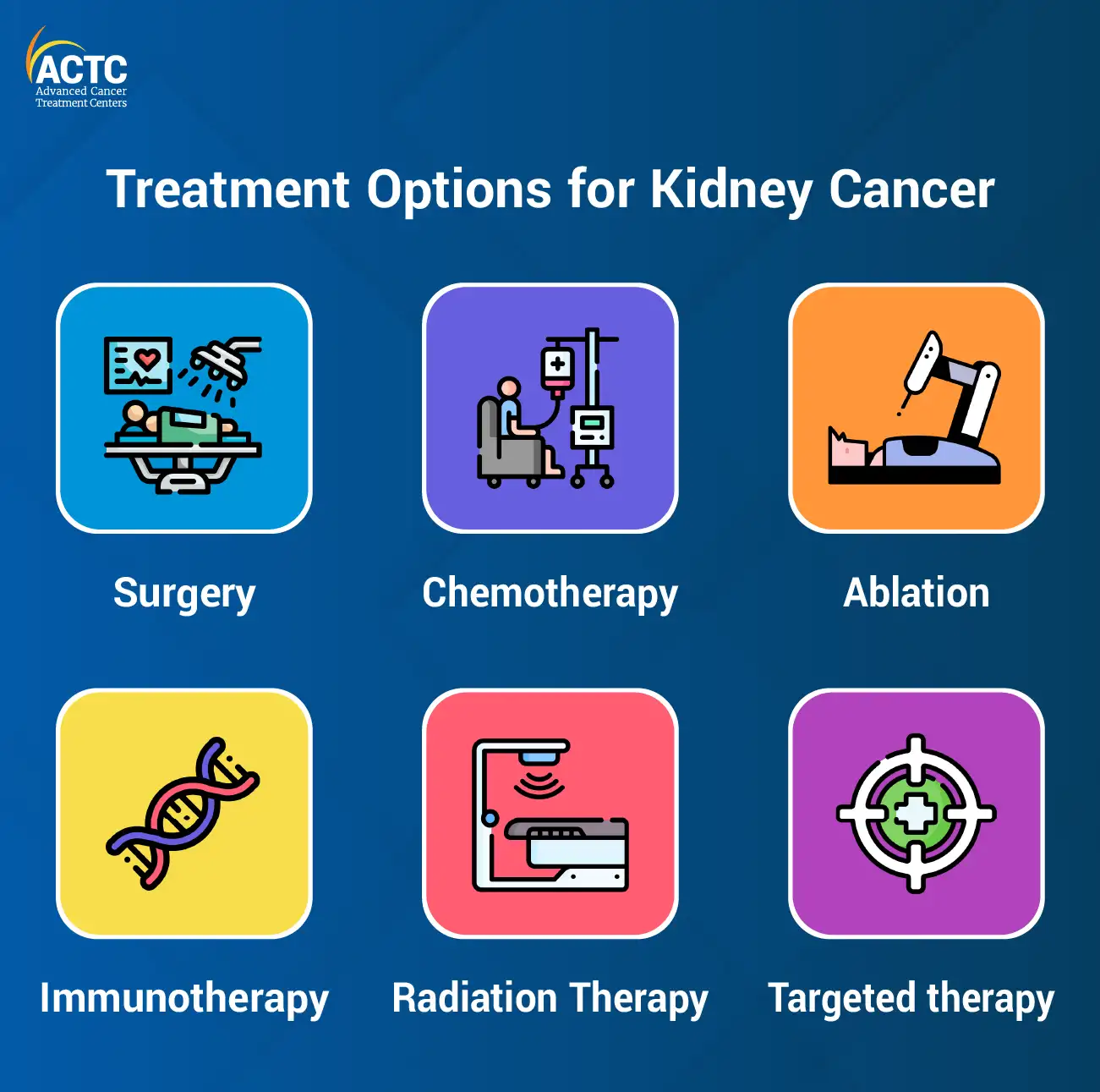
For patients navigating a diagnosis of renal cell carcinoma, the focus of clinical care often centers on surgical interventions, targeted therapies, or immunotherapy. However, as a physician, I have long observed that the most foundational element of a patient’s resilience—their nutritional status—is frequently overlooked in the broader treatment discourse. Proper nutrition is not merely a supportive measure; it is a critical component of the patient journey that directly influences tolerance to systemic treatments and overall quality of life.
When we discuss the role of oncology nutrition, we are addressing a complex interplay between metabolic demands and the physiological stress of chronic illness. Patients with kidney cancer often face unique challenges, including potential loss of appetite, changes in taste perception and the metabolic impact of both the tumor itself and the subsequent therapeutic regimens. Understanding how to manage these nutritional hurdles is essential for maintaining the physical strength necessary to complete recommended treatment cycles.
The Metabolic Impact of Renal Cancer
Renal cell carcinoma can induce a state of chronic inflammation that alters how the body processes nutrients. According to the National Institute of Diabetes and Digestive and Kidney Diseases, the kidneys play a vital role in balancing electrolytes and managing blood pressure, functions that can be taxed during the progression of renal disease or following nephrectomy. When a patient enters a state of malnutrition or sarcopenia—the loss of muscle mass—their ability to withstand the rigors of chemotherapy or immunotherapy may be significantly compromised.
Clinical observations consistently indicate that patients who maintain adequate protein and caloric intake experience fewer treatment-related complications. The goal is not just to “eat well” in a general sense, but to implement a targeted nutritional strategy that supports renal function while minimizing the workload on the remaining healthy tissue. This requires a collaborative approach between the oncologist, the nephrologist, and a registered dietitian specializing in oncology.
Strategies for Nutritional Optimization
Optimizing nutrition during treatment involves careful consideration of both macronutrient balance and micronutrient density. For many patients, the challenge is not just what to eat, but how to overcome the barriers to eating. Nausea, fatigue, and altered taste—often referred to as dysgeusia—are common side effects that require practical, evidence-based management.
The National Cancer Institute provides comprehensive guidance on managing appetite loss, emphasizing the importance of frequent, small, nutrient-dense meals rather than three large ones. For those experiencing specific taste changes, such as a metallic sensation, using plastic utensils or incorporating citrus-based marinades can sometimes mitigate these sensory issues, making food more palatable and increasing overall intake.
The Role of the Multidisciplinary Team
Nutrition must be integrated into the clinical care plan from the moment of diagnosis. It is not an afterthought to be addressed only when a patient shows signs of weight loss. Regular screening for nutritional risk is a standard of care that should be discussed during every oncology consultation. By identifying early signs of nutritional decline, clinicians can intervene before a patient becomes severely malnourished, which is a state that often necessitates treatment delays or dose reductions.
Patients are encouraged to utilize resources from official health bodies to monitor their nutritional status. The World Health Organization highlights that a balanced diet, rich in fruits, vegetables, legumes, nuts, and whole grains, remains the gold standard for supporting systemic health. For the oncology patient, these guidelines must be tailored to account for specific renal considerations, such as monitoring potassium, phosphorus, and sodium intake, especially in patients who have undergone partial or radical nephrectomy.
Key Takeaways for Patients and Caregivers
- Early Intervention: Consult with a registered dietitian early in your treatment journey to create a personalized plan.
- Monitor Weight: Unintentional weight loss is a key indicator of nutritional risk; report any significant changes to your oncology team immediately.
- Symptom Management: Keep a log of taste changes or nausea triggers to help your medical team adjust your nutritional strategy.
- Hydration: Maintain adequate fluid intake as directed by your physician, as kidney function requires consistent hydration to manage metabolic waste.
As we continue to advance in our understanding of renal cancer, the integration of supportive care—including specialized nutrition—will remain a pillar of high-quality, patient-centered medicine. My practice has shown that when patients are empowered with the right nutritional tools, they are better equipped to face the challenges of their diagnosis with resilience and vitality.
The next major update regarding clinical guidelines for renal cancer nutrition is expected to be discussed at the upcoming European Society for Medical Oncology (ESMO) congress, where multidisciplinary care models are frequently reviewed. If you have questions about your specific nutritional needs, please consult your oncology team or a board-certified dietitian. Please share your thoughts or experiences in the comments section below to help foster a supportive community for all patients and caregivers.
Keep reading