
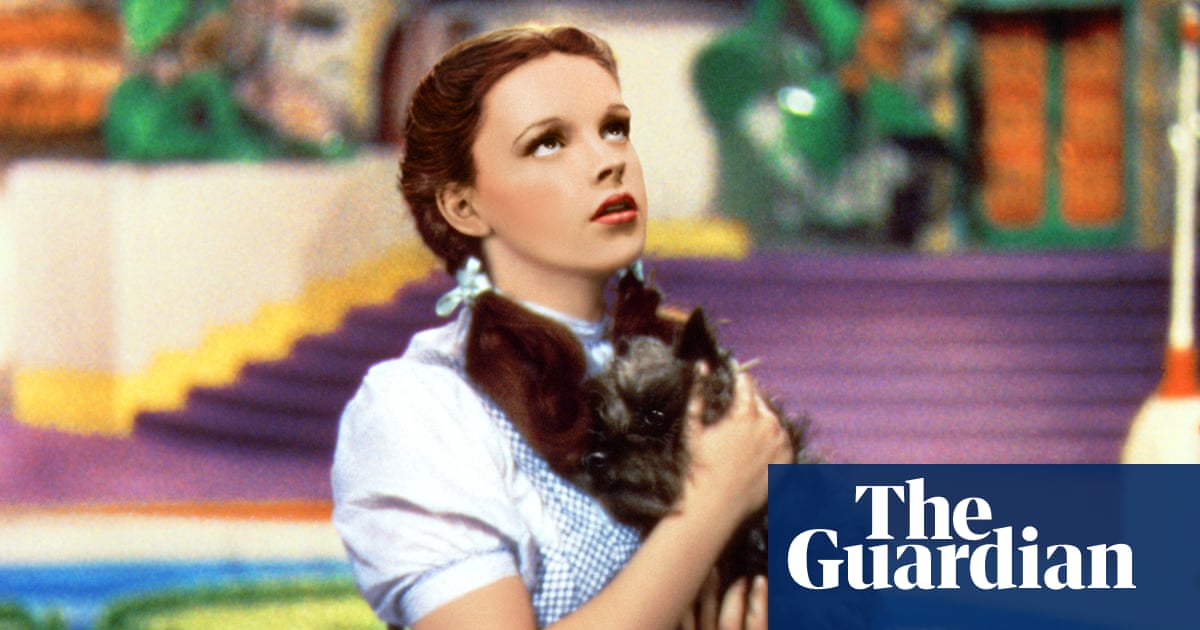
The Enduring Magic of Oz: Why we Keep Returning to Baum’s world
The world of Oz, born from L. Frank Baum‘s imagination, continues to captivate audiences across generations. It’s a testament to the story’s enduring power that adaptations – from the iconic 1939 film to the upcoming “Wicked“ – consistently draw us back to this fantastical land. But what is it about Oz that resonates so deeply,and why do explorations of its characters consistently outperform those focused on the wizard himself?
The initial appeal is simple: a yearning for escape. You likely remember the thrill of dorothy’s journey,whisked away from the mundane to a world brimming with color and wonder. However, the story’s longevity stems from something far more profound than mere escapism.
Beyond the Rainbow: Layers of Meaning in Oz
Oz isn’t just a whimsical adventure; it’s a surprisingly complex allegory.Consider these key elements:
* Dorothy‘s Permanent Relocation: The books reveal Dorothy eventually chooses to make Oz her permanent home, a departure from the simple “there’s no place like home” message.
* Darker Undertones: The 1985 film “Return to Oz” bravely tackled unsettling themes, depicting Dorothy facing the threat of shock therapy for clinging to her memories of Oz – a scene reminiscent of conversion therapy.
* Social Commentary: ”Wicked,” both on stage and in its upcoming film adaptation, subtly addresses issues of prejudice, racism, and societal ostracization, mirroring real-world struggles.
These layers of meaning elevate Oz beyond a children’s tale. It provides a space to explore arduous emotions and societal issues through the lens of fantasy.
The Power of Identifying with the Outsider
A recurring theme throughout Oz’s iterations is the plight of the outsider. elphaba, the misunderstood “Wicked Witch,” embodies this perfectly. She’s marginalized and scapegoated by a manipulative authority figure - a narrative that resonates with anyone who has ever felt different or unfairly judged.
This is why focusing on the female characters of Oz consistently proves more impactful than stories centered on the Wizard. You connect with their vulnerability, their struggles, and their ultimate triumphs over adversity. The Wizard, often portrayed as a fraud, lacks that emotional depth.
Why Oz Doesn’t demand Complete Belief
Interestingly, Oz differs from many other fantasy franchises. It doesn’t necessarily demand your complete suspension of disbelief. Rather, it allows you to hover between the fantastical and the heartbreakingly real.
This unique quality is perhaps why a massive, fully immersive Oz theme park hasn’t yet materialized. The story’s power lies in its ability to reflect your reality, not to replace it. It offers solace and understanding,acknowledging the difficulties of life while concurrently offering a glimmer of hope.
A Legacy of Resonance
The enduring appeal of Oz is evident in its diverse adaptations. “The Wiz,” with its all-Black cast, reimagined the story to resonate with marginalized communities, highlighting the universality of its themes. Each iteration demonstrates the story’s adaptability and its ability to speak to different audiences.
Ultimately, Oz’s magic lies in its ability to be all things to all people. It’s a place of wonder, a mirror reflecting our own struggles, and a reminder that even in the face of adversity, there’s always hope for a brighter tomorrow. It’s a world you can return to again and again, finding new meaning and comfort with each visit.


