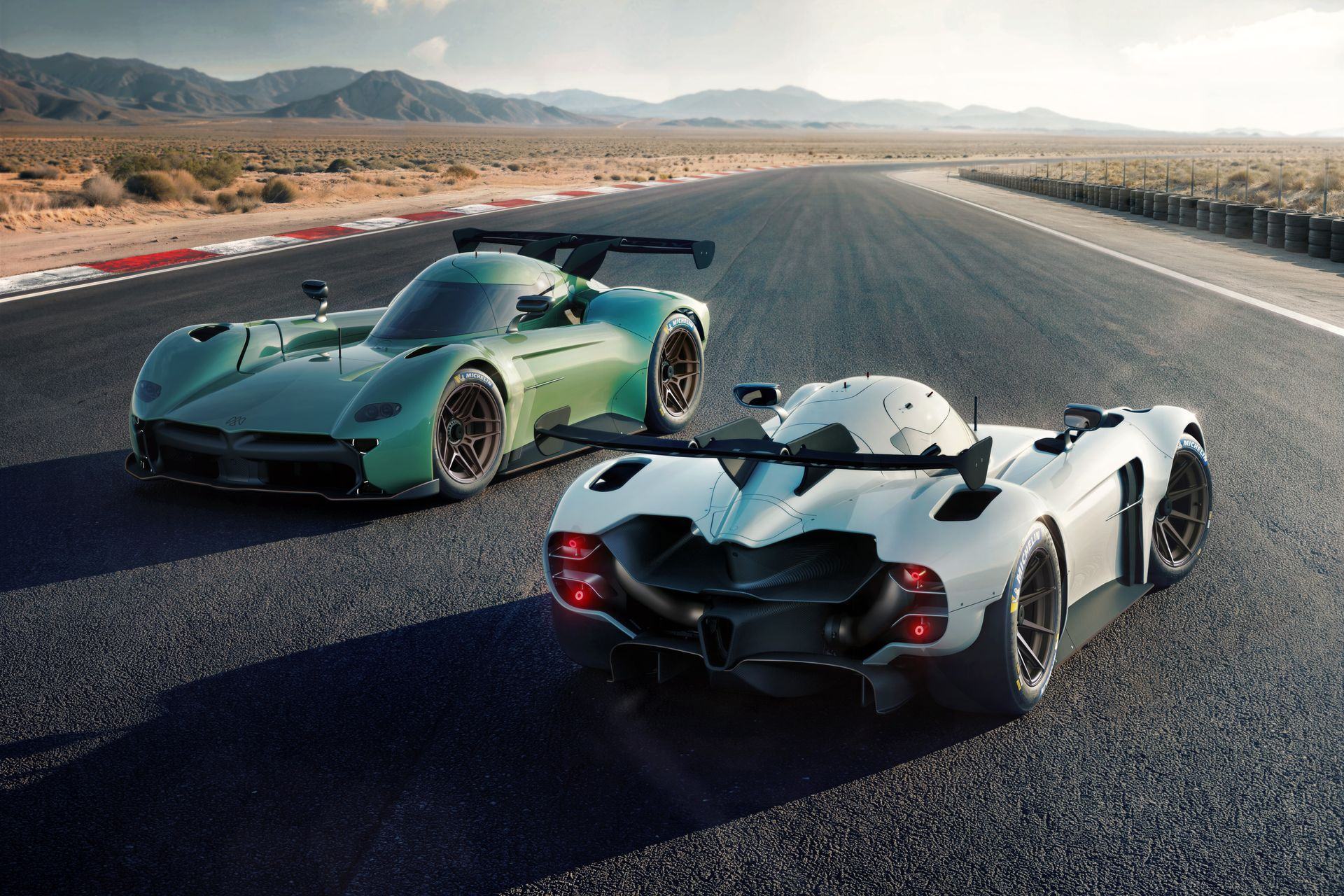
The Rimac Nevera R, the latest iteration of the Croatian manufacturer’s all-electric hypercar, is now officially available for order, setting a new benchmark in high-performance electric vehicle engineering. As reported by Rimac Automobili, the vehicle features a redesigned powertrain and aerodynamics package aimed at surpassing the performance metrics of the original Nevera, which previously held multiple world records for acceleration and top speed.
For automotive enthusiasts and potential buyers, the Nevera R represents a refined pursuit of speed. While the company has not publicly disclosed a finalized retail price for the “R” variant, the base model Nevera launched with a price tag of approximately €2 million, a figure that reflects its status as a limited-production, hand-built machine. The release confirms that the electric hypercar segment continues to push boundaries in power-to-weight ratios and battery management systems, transitioning from experimental prototypes to track-ready production models.
Engineering the World’s Fastest Electric Car
The core of the Nevera R’s performance lies in its updated battery technology and quad-motor configuration. According to official company specifications, the vehicle produces 2,107 horsepower, allowing it to accelerate from 0 to 100 km/h in 1.74 seconds. This represents a marginal but significant improvement over the performance of its predecessor, the original Nevera, which was verified by independent testers to reach 100 km/h in 1.81 seconds.

The R model utilizes a new 108 kWh battery pack that is lighter and more efficient than the previous generation. By integrating advanced torque vectoring—a system that manages power distribution to each wheel individually—Rimac engineers have aimed to address the primary challenge of high-performance electric vehicles: handling and cornering agility. This technological evolution is intended to bridge the gap between heavy, high-torque electric platforms and the nimble dynamics traditionally associated with combustion-engine supercars.
Market Context and Production Limits
The Nevera R is classified as a limited-production vehicle. Rimac has confirmed that production for the R series will be capped at 40 units globally, a strategy consistent with the company’s previous approach to maintaining exclusivity in the luxury hypercar market. This scarcity is a common practice among manufacturers such as Bugatti and Koenigsegg, ensuring that the vehicles retain value for collectors while supporting the high research and development costs associated with proprietary electric drive systems.
The introduction of the R variant arrives at a time when the broader electric vehicle market is shifting focus toward mass-market affordability. However, the hypercar segment remains a critical marketing and development platform. As noted in industry reports from the World Economic Forum, the innovations developed for high-end vehicles like the Nevera often migrate to consumer-grade electric vehicles, particularly regarding thermal management and battery cooling systems.
What Happens Next for Potential Buyers
The order books for the Rimac Nevera R are currently open through the brand’s authorized dealer network. Interested parties are required to undergo a bespoke configuration process, which allows for extensive customization of interior materials, carbon fiber finishes, and performance settings. Because these vehicles are produced in limited batches, the lead time between order placement and delivery can vary significantly based on the complexity of the custom specifications.

Official delivery timelines have not been publicly announced, though the company’s manufacturing facility in Zagreb, Croatia, is currently scaling operations to accommodate the new production run. Prospective owners are encouraged to contact their regional Rimac representative for specific availability and local tax implications regarding high-performance vehicle imports.
Have you been following the evolution of electric hypercars? Share your thoughts on the future of high-performance mobility in the comments below.