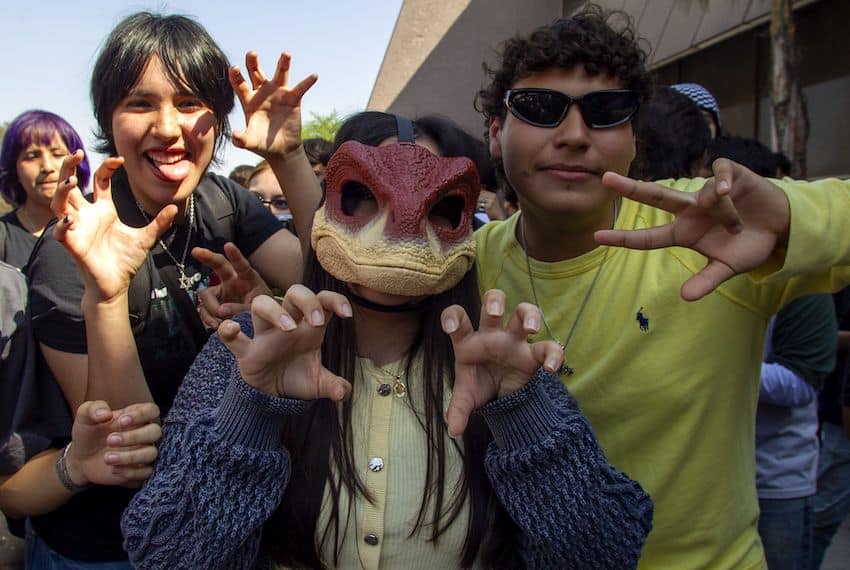
A growing online subculture is making its presence felt in Mexico, with young people publicly identifying as animals – a phenomenon known as “therianthropy” or simply “therian.” From organized gatherings to appearances at university campuses and even within the halls of Congress, these individuals are sparking both curiosity and controversy. The trend, rooted in a sense of deep psychological or spiritual connection to a non-human animal, is raising questions about identity, acceptance, and the boundaries of self-expression.
The term “therian” originates from the word therianthropy, derived from the Greek words *therion* (beast) and *anthropos* (human). While the concept first emerged in internet forums in the 1990s, it has gained significant traction in recent years, particularly in Latin America, after establishing a foothold in Uruguay and Argentina. Individuals identifying as therians often express this connection through behaviors like wearing animal ears or tails, adopting animalistic mannerisms, or even participating in public displays mimicking animal movements. Crucially, most therians do not believe they physically transform into animals, but rather experience a profound internal identification.
In Mexico, the phenomenon appears to be rapidly gaining visibility. According to a report by Spanish newspaper *El País*, Google searches for “qué es un therian” (what is a therian) increased by 500% in Mexico last week, signaling a surge in public interest. This increased attention has been accompanied by both enthusiastic gatherings and instances of hostility, highlighting the complex social response to this emerging subculture.
Public Displays and Political Debate
Recent “therian gatherings” in major Mexican cities – including Mexico City, Monterrey, Cancún, and Mérida – have drawn crowds of onlookers, media attention, and, in some cases, negative reactions. A highly publicized “therian run” at the National Autonomous University of Mexico (UNAM) in Mexico City attracted hundreds of spectators and dozens of journalists, though participation from individuals identifying as therians was limited to a small number. The event underscored the growing public fascination with the movement.

However, not all encounters have been peaceful. In Mérida, the first therian gathering at the Monument to the Homeland resulted in the arrest of a young woman, dubbed “Lady Therian” by local media, after she allegedly threw eggs and verbally abused those attending the event. She subsequently stated online that she did not regret her actions. This incident highlights the potential for conflict and misunderstanding surrounding the therian community.
The phenomenon is even beginning to influence political discourse. In Monterrey, attorney Mauricio Castillo presented a citizen initiative to the Nuevo León Congress alongside a man wearing a horse head mask. The proposed “Ley Therian” (Therian Law) aims to protect the freedom of expression and respect for young people who identify with the community. The initiative would introduce protocols for school coexistence, citizen oversight programs, and sanctions for teachers or administrators who allow harassment of students, including therians. “We are trying to perceive worthy in the eyes of society, as they always think we are crazy and do not take our opinions into account,” the man with the horse head mask told reporters, as reported by *El País*. “We are trying to avoid that kind of discrimination.”
A parallel bill, described by local media as the Law of Protocols of Coexistence and Protection of Students in Educational Environments, seeks to similarly protect young people who identify with the community from harassment in public and private schools.
Understanding the Phenomenon and Addressing Concerns
Experts caution against pathologizing the trend. Juan Martín Pérez, coordinator of the Network for the Rights of Children in Mexico (REDIM), told *El País* that therians are “functional people, with everyday lives, who uncover in this an identity dimension.” He argued that the current uproar reflects a broader “moral panic” fueled by social media and adult anxieties about youth identity. This perspective suggests that the increasing visibility of therians is less about a new mental health crisis and more about a changing landscape of self-expression and identity exploration.
The roots of therianthropy can be traced back to internet forums in the 1990s, where individuals began to share experiences of feeling a deep connection to animals. Today, the community thrives online, particularly on platforms like TikTok, Instagram, and YouTube, where members share their experiences, connect with others, and express their identities. While the movement remains a niche subculture, it is demonstrably growing, particularly in Latin America. In the United States and Canada, the community is smaller and more dispersed, primarily existing within online spaces.
The motivations behind identifying as a therian are varied and personal. As one individual who identified as spiritually canine told *El País*, “I think it’s easier to find affection as another species than as a human.” Another attendee at a gathering explained that their love for dogs and a lack of affection at home led them to embrace this identity. These statements suggest that for some, therianthropy may be a way to cope with emotional needs or explore alternative forms of connection.
What is Therianthropy?
Therianthropy is a complex phenomenon characterized by a non-physical identification with an animal. It’s essential to distinguish it from other related concepts. It is *not* the same as shapeshifting, where individuals believe they can physically transform into animals. Nor is it a mental illness, according to experts like Juan Martín Pérez of REDIM. Instead, it’s a deeply felt sense of connection and identification, often expressed through behaviors and self-perception. The experience can be psychological, spiritual, or both, and varies significantly from person to person.
The Path Forward: Acceptance and Understanding
The increasing visibility of the therian community in Mexico presents both challenges and opportunities. The proposed “Ley Therian” in Nuevo León represents a proactive attempt to address potential discrimination and protect the rights of individuals who identify as therians. Whether this legislation will be successful remains to be seen, but it signals a growing awareness of the need for greater understanding and acceptance.
As the debate continues, it is crucial to approach the topic with sensitivity and respect. Pathologizing or dismissing the experiences of therians is unlikely to be productive. Instead, fostering open dialogue, promoting education, and addressing potential instances of harassment are essential steps towards creating a more inclusive society. The ongoing discussions in Mexico offer a valuable opportunity to explore the complexities of identity, self-expression, and the evolving landscape of human experience.
The Nuevo León Congress is expected to debate the proposed “Ley Therian” in the coming weeks. Further developments regarding the bill, as well as any potential legal challenges or public responses, will be closely monitored. Readers are encouraged to share their thoughts and perspectives on this evolving story in the comments below.
Related reading