
The North Carolina State Capitol, located in the heart of Raleigh, serves as one of the most significant historical landmarks in the United States. Completed in 1840, the Greek Revival-style building stands as a testament to the state’s political history and architectural heritage. For residents and visitors alike, the site offers a unique intersection of government history and public education, providing a window into the legislative evolution of North Carolina.
Planning a visit to the North Carolina State Capitol requires an understanding of its operational status and the educational opportunities available to the public. As an active historic site, the Capitol maintains a structured schedule for visitors, ensuring that the preservation of the facility is balanced with public access. Whether you are interested in the history of state governance or simply exploring the historic downtown area of Raleigh, the Capitol remains a central point of interest.
Understanding Public Access and Guided Tours
The North Carolina State Capitol is managed by the North Carolina Department of Natural and Cultural Resources, which oversees the site’s preservation and public programming. To facilitate public engagement, the facility provides free guided tours. According to the official North Carolina Historic Sites portal, these guided tours are available to the public on Saturdays at 11:00 a.m., 1:00 p.m., and 3:00 p.m. These sessions do not require advance reservations for individual visitors, making them a convenient option for weekend travelers.
For larger parties, the management requires advance coordination. Group tours, defined as those consisting of 10 or more individuals, must be scheduled in advance to ensure that adequate resources and staff are available to accommodate the group size. This policy is designed to maintain the integrity of the historic interior while providing an informative experience for educational or private organizations.
Historical Significance and Architecture
The Capitol building is recognized for its architectural significance, representing a prime example of the Greek Revival style that was popular during the mid-19th century. The structure replaced an earlier state house that was destroyed by fire in 1831. Construction of the current building spanned from 1833 to 1840, utilizing stone quarried from nearby locations. The interior features the rotunda, the former legislative chambers, and the state library, all of which have been restored to reflect their mid-19th-century appearance.
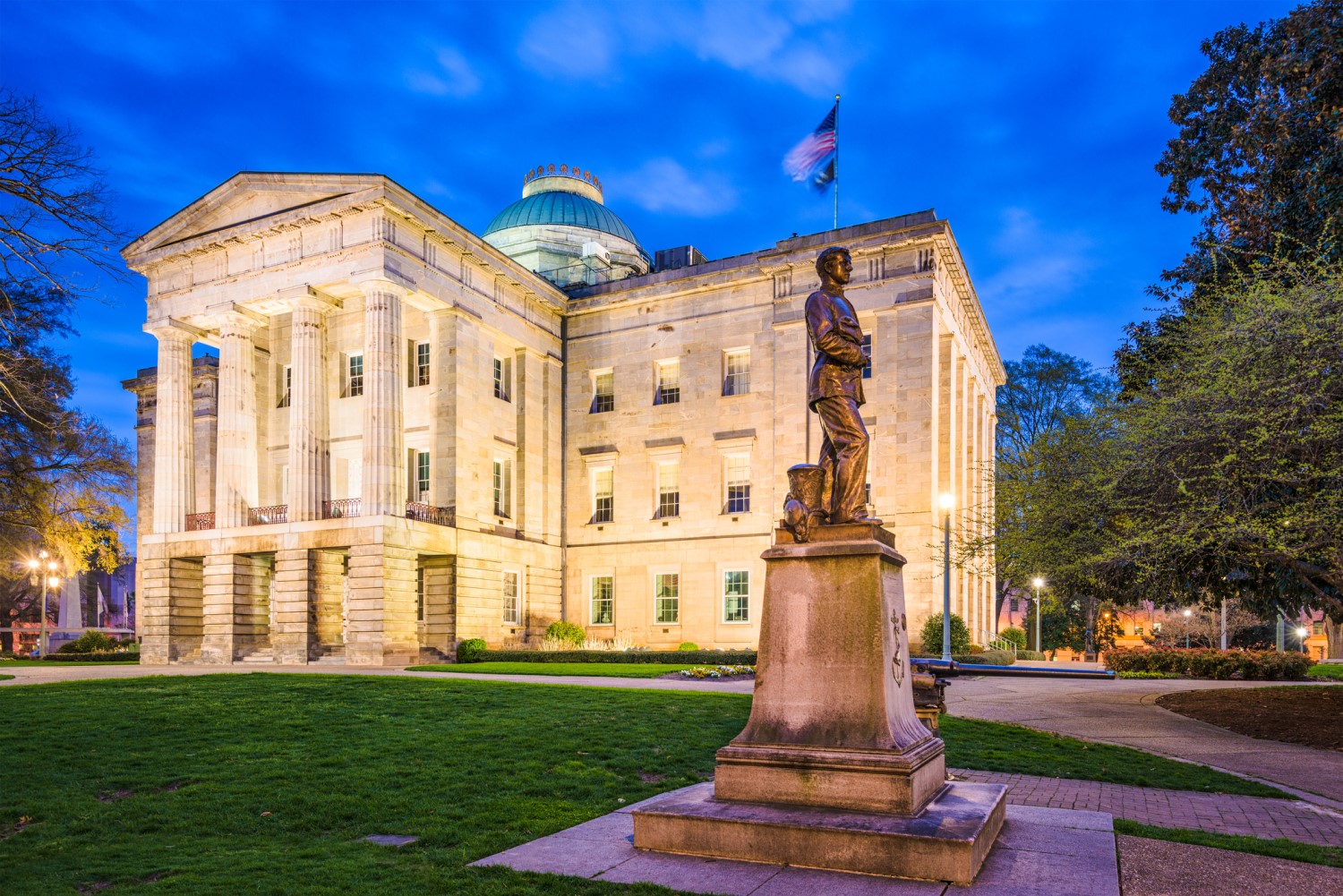
Beyond its physical structure, the Capitol grounds—known as Capitol Square—encompass several monuments dedicated to figures and events significant to the state’s history. The grounds are maintained as a public park, offering an accessible urban space that connects the Capitol to the surrounding government complex and the city’s business district.
Planning Your Visit to Raleigh
Raleigh, the capital city of North Carolina, hosts a variety of cultural and educational activities beyond the State Capitol. Visitors often combine a trip to the Capitol with visits to other nearby state museums, such as the North Carolina Museum of Natural Sciences or the North Carolina Museum of History, which are located within walking distance in the downtown area. The North Carolina Department of Natural and Cultural Resources provides comprehensive resources for those looking to explore the state’s diverse historic sites and cultural institutions.
When visiting, the Capitol is a working government facility. While it is open to the public, Notice security protocols in place. Visitors are encouraged to check the official website for any updates regarding closures, holiday hours, or special events that might impact public access. The site is generally accessible throughout the week, though the specialized guided tours are reserved for the Saturday schedule mentioned above.
Practical Considerations for Travelers
If you are traveling from outside of North Carolina, Raleigh-Durham International Airport (RDU) serves as the primary gateway to the region. Public transportation and ride-sharing services are available for those transitioning from the airport to the downtown district. Parking in downtown Raleigh can be limited during weekday business hours, so visitors planning to visit the Capitol on weekends may find street parking or public parking decks more accessible.

- Tour Schedule: Saturdays at 11:00 a.m., 1:00 p.m., and 3:00 p.m.
- Reservations: Not required for individuals; mandatory for groups of 10 or more.
- Cost: Public admission and guided tours are free of charge.
- Accessibility: Visitors are advised to contact the site office for specific accessibility requests related to mobility limitations.
Staying Informed on Official Updates
The landscape of historic tourism in Raleigh is subject to periodic updates, especially regarding site maintenance and event scheduling. To ensure you have the most current information, always rely on official government channels. The North Carolina Historic Sites website serves as the primary authority for all inquiries regarding the Capitol, including contact information for scheduling group tours or verifying holiday closures.
For those interested in deeper research, the State Archives of North Carolina, located nearby, provide extensive documentation on the building’s construction and the political history of the state. These resources offer a comprehensive look at the legislative processes that have occurred within the Capitol walls for nearly two centuries.
The next major update regarding public holiday schedules or special commemorative events is typically posted on the official site calendar. We encourage readers to check these updates regularly before finalizing their travel arrangements. Do you have questions about planning a trip to North Carolina’s historic districts? Share your thoughts or experiences in the comments section below.