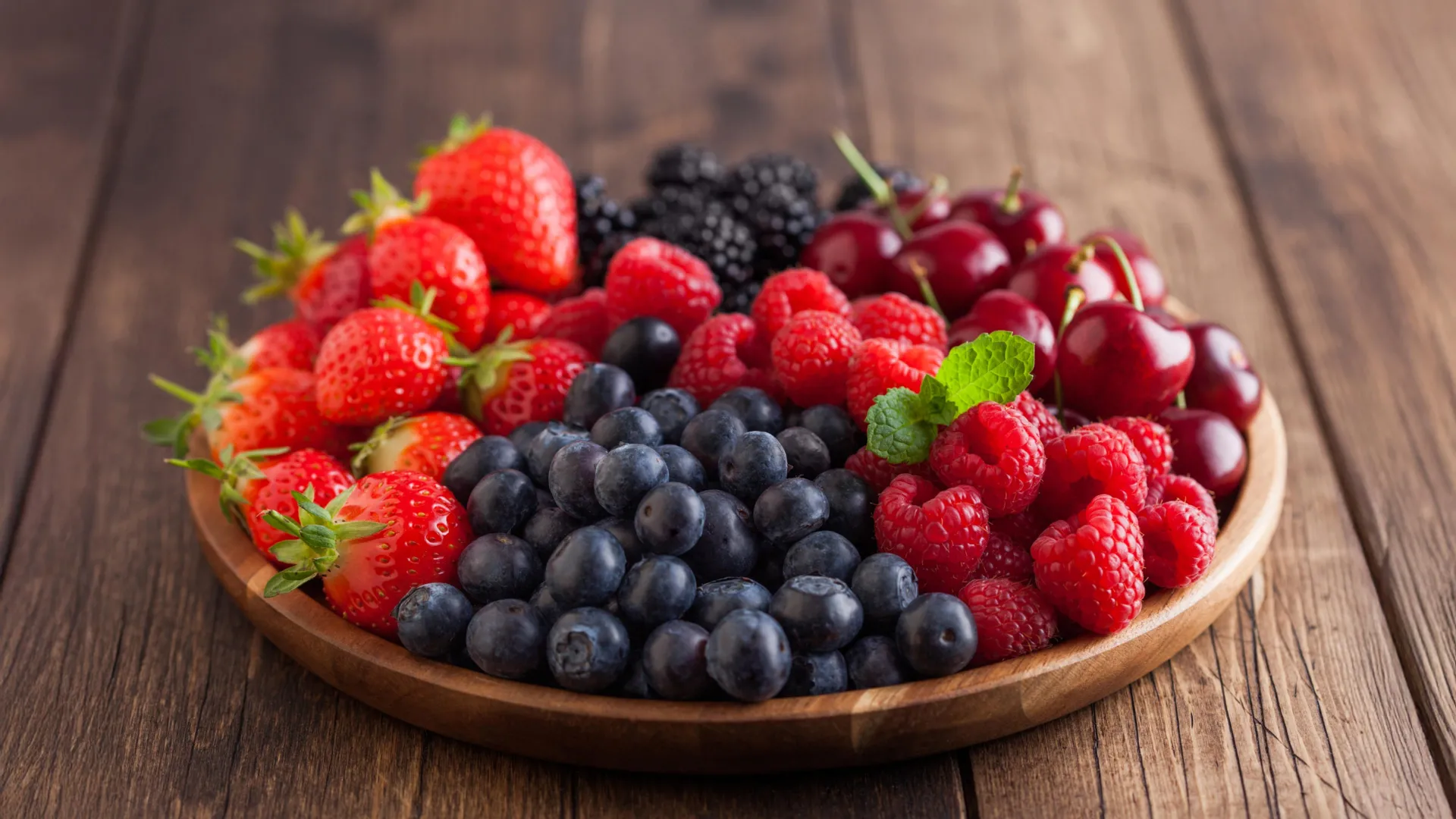
Consuming the recommended five daily servings of fruits and vegetables may not be enough to optimize cardiovascular health if those selections lack sufficient flavanol content. While dietary guidelines emphasize the volume of produce, recent scientific analysis suggests that the specific chemical composition of these foods—particularly the presence of bioactive compounds known as flavanols—plays a critical role in heart health, according to research published by the American Heart Association.
Flavanols are a subclass of flavonoids, plant-based compounds found in a variety of common foods that researchers have increasingly linked to improved blood pressure regulation and enhanced vascular function. Despite their potential benefits, flavanols are not always prioritized in standard dietary advice, which often focuses on broad categories like produce intake rather than specific nutrient profiles. For many individuals, relying solely on total serving counts may leave a significant nutritional gap in their heart-protection strategy.
Understanding the Role of Flavanols in Heart Health
Flavanols work primarily by improving the health of the endothelium—the thin membrane that lines the inside of the heart and blood vessels. When these compounds are consumed, they appear to assist in the production of nitric oxide, a molecule that helps blood vessels dilate and maintain healthy blood pressure levels. According to the National Center for Complementary and Integrative Health, these effects contribute to a reduction in overall cardiovascular risk, though individual responses to dietary intake can vary based on metabolism and gut microbiome composition.
Unlike vitamins or minerals, which have established daily recommended intakes, there is currently no universal “Recommended Dietary Allowance” (RDA) for flavanols. This lack of a standardized target makes it difficult for the average consumer to know if they are meeting their needs. However, the focus remains on increasing the dietary diversity of plant-based foods to ensure a consistent supply of these phytonutrients throughout the week.
Identifying High-Flavanol Food Sources
To increase flavanol intake, nutritionists often suggest looking beyond standard salad greens. Several fruits, legumes, and beverages have been identified as concentrated sources of these compounds. Integrating these into a daily routine does not require a complete dietary overhaul, but rather a strategic selection of specific, nutrient-dense items.
According to data analyzed by the U.S. Department of Agriculture (USDA), the following foods are noted for their high flavanol and related flavonoid profiles:
- Berries: Blackberries and cherries are particularly dense in these compounds, offering a practical way to boost intake through snacks or breakfast additions.
- Tree Fruits: Apples and plums are accessible staples that contribute significantly to the total flavanol pool when consumed regularly.
- Legumes: Broad beans (fava beans) serve as a notable non-fruit source, providing both fiber and these heart-protective compounds.
- Beverages: Green tea is widely recognized in clinical research for its high concentration of catechins, a specific type of flavanol.
Why Total Serving Counts Can Be Misleading
The “five-a-day” recommendation is a foundational public health message designed to ensure adequate intake of fiber, vitamins, and minerals. However, this metric treats all fruits and vegetables as equal, which does not account for the wide variation in phytochemical density. For example, a diet consisting entirely of iceberg lettuce and cucumbers—while technically meeting serving requirements—would provide significantly fewer flavanols than a diet that includes berries, tea, and beans.
As noted by the World Health Organization (WHO), dietary patterns should emphasize variety to capture the full spectrum of micronutrients. Focusing on the “color” and “type” of produce, rather than just the quantity, is a more effective strategy for long-term health. The goal is to shift from a mindset of “filling a quota” to “optimizing for bioactivity.”
Practical Steps for Daily Implementation
For those looking to improve their heart health, the transition involves small, sustainable changes. It is not necessary to consume excessive amounts of food; instead, the focus should be on substituting lower-flavanol items with higher-flavanol alternatives. For instance, swapping a mid-afternoon snack of processed crackers for a serving of blackberries or an apple can have a compounding effect over time.
Furthermore, preparation methods matter. Research indicates that the way foods are processed or cooked can influence the bioavailability of these compounds. For example, excessive boiling may leach some water-soluble nutrients from vegetables, whereas steaming or consuming foods raw can help preserve their structural integrity. For those seeking personalized guidance, consulting with a registered dietitian remains the best way to tailor these dietary adjustments to specific health needs, especially for individuals already managing conditions like hypertension or hyperlipidemia.
As the scientific community continues to explore the intersection of nutrition and vascular health, future updates are expected from major health organizations regarding specific guidance on bioactive compounds. Readers are encouraged to keep an eye on upcoming bulletins from the European Society of Cardiology for the latest clinical consensus on dietary flavonoid intake. Please share your thoughts or questions in the comments section below to join the conversation on evidence-based nutrition.
Worth a look