
The California sea lions at San Francisco’s Pier 39 have become an international phenomenon, drawing millions of visitors annually to witness a spectacle that costs nothing to observe. These pinnipeds, which began colonizing the K-Dock of the marina in 1989, now serve as one of the city’s most recognizable tourist attractions, according to the official Pier 39 visitor information. The site offers a free, open-air view of the animals as they haul out, bark, and interact, providing a unique wildlife encounter within a major urban center.
While the sea lions are a fixture of the waterfront, their presence remains a dynamic biological event rather than a static exhibit. According to the National Park Service, the population fluctuates significantly throughout the year based on migration patterns, food availability, and breeding cycles. Tourists visiting the area may see hundreds of animals during peak months, while at other times, the docks may appear nearly empty as the colony moves to the Channel Islands for the breeding season.
A Sudden Arrival at K-Dock
The sea lions were not always a permanent fixture at Pier 39. Prior to 1989, the animals were rarely seen in the immediate vicinity of the marina. The arrival of the colony coincided with the aftermath of the Loma Prieta earthquake, which struck the region in October 1989. Following the seismic event, the sea lions began to occupy the boat slips at K-Dock in increasing numbers.
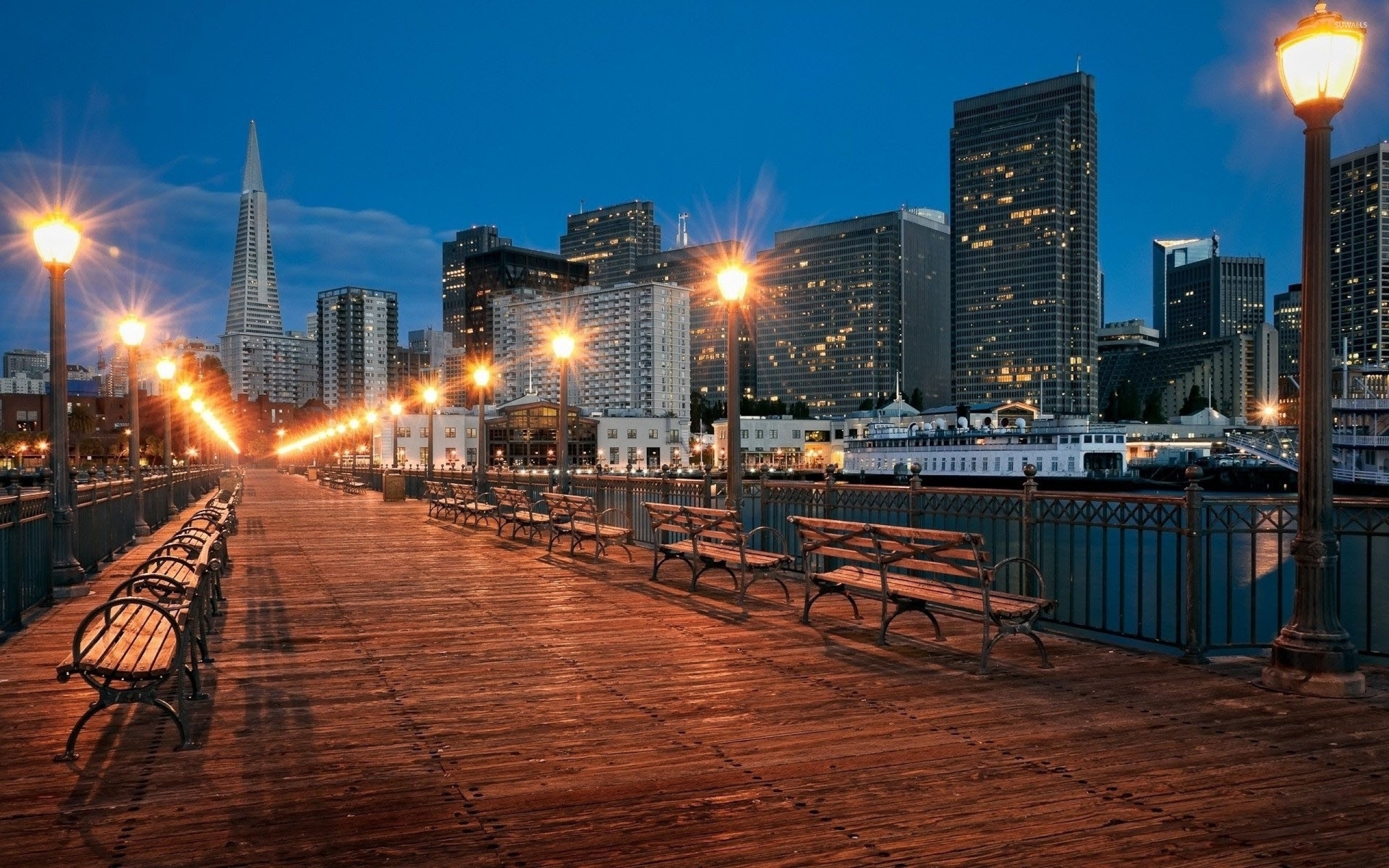
Management at the marina initially attempted to discourage the animals from using the docks, citing concerns regarding boat access and maintenance. However, the colony’s rapid expansion proved difficult to manage. Eventually, the decision was made to yield the docks to the marine mammals, permanently closing the slips to boat traffic. This transition transformed a commercial space into a protected habitat, an outcome documented by the Marine Mammal Center, which provides ongoing education on the species’ behavior and conservation status.
Planning a Visit to the Waterfront
For travelers planning a trip to the San Francisco waterfront, the spectacle is entirely self-guided and accessible. There is no admission fee to walk along the pier and view the sea lions from the designated observation platforms. The location is highly visible, though park officials advise that the best time to see the largest numbers of animals is typically during the winter months, when the migration cycle brings more males back to the bay.
Visitors are reminded that while the sea lions are accustomed to the proximity of humans, they remain wild animals. The National Oceanic and Atmospheric Administration (NOAA) provides strict guidelines for viewing marine life, emphasizing the importance of maintaining distance and never attempting to feed or touch the animals. Observing from the established platforms ensures both human safety and the protection of the colony’s natural behavior.
Why the Colony Matters
The presence of these animals in San Francisco provides a rare opportunity for public engagement with marine biology. Scientists use the site as an informal monitoring station, observing health trends and population shifts in the California sea lion population. The San Francisco Zoo and Gardens often collaborates with local agencies to provide context on the species, which are known for their high intelligence and social structures.
The phenomenon also highlights the ongoing challenge of urban coexistence with wildlife. As the city continues to develop its waterfront, the management of the sea lion habitat serves as a precedent for how municipalities can balance tourism, commercial infrastructure, and environmental preservation. For the latest updates on current population counts or potential site closures due to maintenance, visitors are encouraged to check the official Pier 39 website before arrival.
The colony continues to be monitored by local wildlife experts. Updates regarding the health of the population are periodically released by regional environmental groups. For those interested in the ongoing conservation efforts, the next scheduled public educational programming regarding local marine life is typically listed through the Golden Gate National Recreation Area calendar. We invite readers to share their own experiences or observations of the pier in the comments section below.
Keep reading