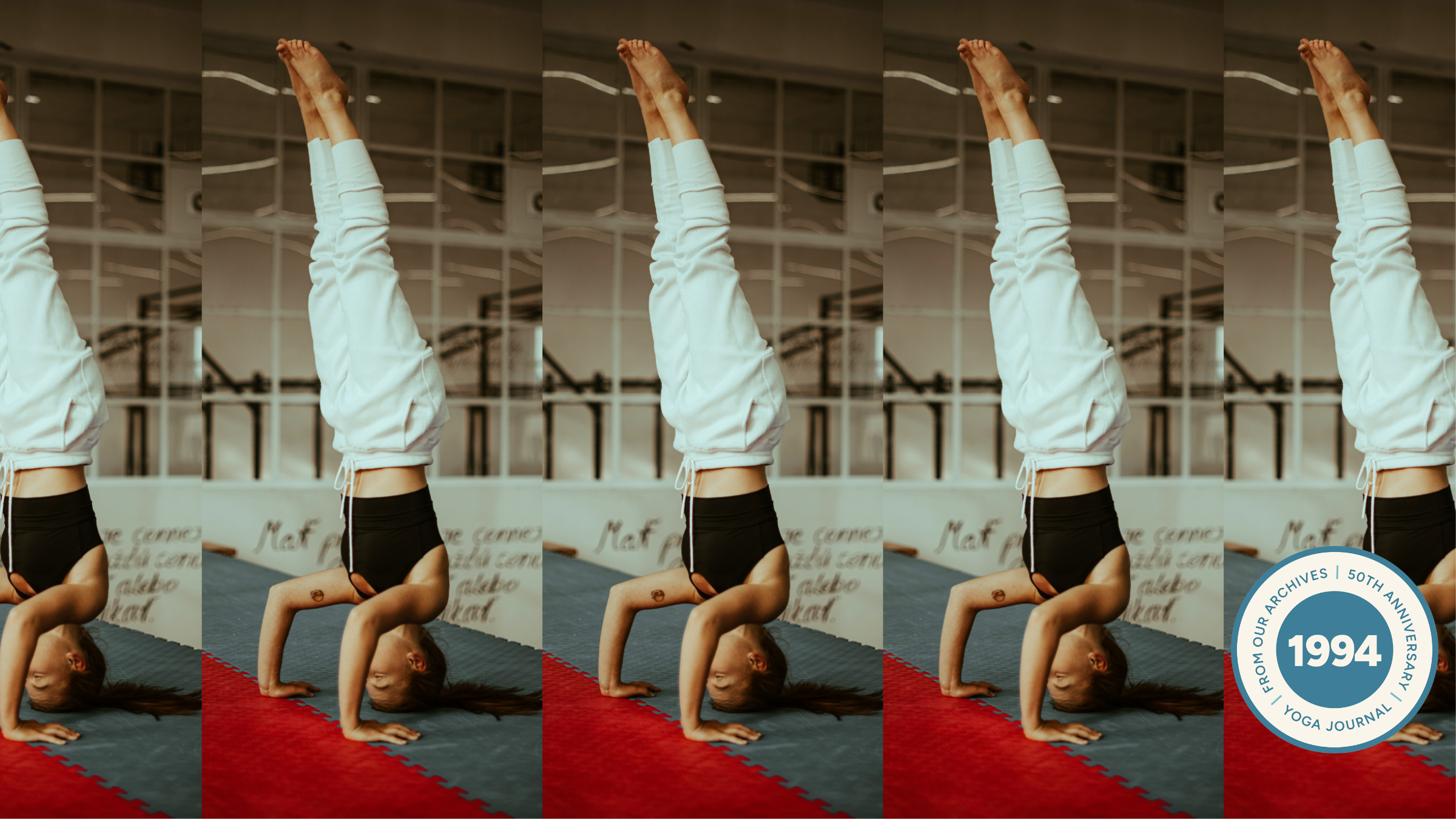
In the practice of yoga, few movements command as much respect—or demand as much discipline—as the headstand. It is a position that defies our most basic relationship with the world: our orientation to gravity. While many approach inversions as a feat of strength or a test of balance, the physiological implications of these poses extend far beyond muscle engagement and core stability.
When the body is inverted, the fundamental mechanics of our internal systems undergo a profound shift. From the way blood circulates to the way our nervous system processes sensory input, headstands and their variations offer a unique physiological stimulus. This shift does more than just challenge the musculoskeletal system; it creates an opportunity for what practitioners often describe as a turning inward—a transition from external engagement to deep, internal awareness.
As we explore the science behind these challenging postures, it becomes clear that the benefits of headstands are rooted in the complex interplay between gravity, fluid dynamics, and neurological regulation. For those seeking to enhance their longevity and well-being, understanding these mechanisms is key to practicing both effectively and safely.
The Physiology of Inversion: Fluid Dynamics and Systemic Health
The most immediate effect of a headstand is the change in hydrostatic pressure within the body. In our standard upright position, gravity pulls blood and interstitial fluids toward our lower extremities. Inversions reverse this flow, necessitating a rapid and sophisticated response from the cardiovascular and lymphatic systems.
One of the primary physiological advantages of inversion is its impact on venous return. The heart must work in concert with various bodily mechanisms to manage the increased volume of blood returning from the lower body toward the torso and head. This shift can stimulate circulation, though the primary benefit is not merely “more blood to the brain,” but rather the systemic redistribution of fluids that supports overall vascular health.
Beyond the blood vessels, inversions play a critical role in supporting the lymphatic system. Unlike the circulatory system, which has the heart to act as a central pump, the lymphatic system relies heavily on muscle contraction and gravity to move lymph fluid through the body. This fluid is essential for immune function and the removal of metabolic waste. By reversing our orientation, we utilize gravity to assist in the drainage of lymphatic fluid, potentially aiding in the reduction of swelling in the lower limbs and supporting the body’s natural detoxification processes. Understanding the function of the lymphatic system is vital to appreciating how these movements contribute to systemic homeostasis.
the endocrine system—the network of glands that produce hormones—may also respond to the pressure changes associated with headstands. The pituitary and thyroid glands, located in the neck and head region, are subject to altered blood flow during inversions. While more research is needed to quantify the exact hormonal shifts, many practitioners report a sense of heightened endocrine balance following regular, safe practice.
Neurological Impact: Proprioception and the Sensory Shift
The concept of “turning the senses inward” is not merely a poetic abstraction; it is a neurological reality during intense physical focus. When a practitioner enters a headstand, the brain is suddenly presented with a massive influx of conflicting sensory data. The visual field is inverted, the vestibular system (responsible for balance) is challenged, and the proprioceptive system—the body’s ability to sense its own position in space—must work at an accelerated rate.
This intense demand for concentration forces a narrowing of focus. To maintain stability, the mind cannot wander toward external distractions; it must instead tune into the minute sensations of muscle tension, breath, and center of gravity. This process facilitates a state of heightened proprioception, where the connection between the brain and the physical body is sharpened. This neurological “tuning” is a cornerstone of mindfulness, training the brain to prioritize internal feedback over external stimuli.
the challenge of an inversion can influence the autonomic nervous system. While the initial effort of holding a headstand may trigger a sympathetic response (the “fight or flight” mechanism) due to the physical exertion, the transition into a steady, controlled hold can stimulate the parasympathetic nervous system (the “rest and digest” mechanism). This shift is often mediated by the vagus nerve, which plays a central role in regulating heart rate and promoting a sense of calm. Learning to maintain steady, deep breathing while inverted is a primary method for training the body to remain calm under physical and mental pressure.
Yoga, Longevity, and Holistic Well-being
The pursuit of longevity is increasingly focused on the concept of “allostatic load”—the cumulative wear and tear on the body caused by chronic stress. Because inversions promote a shift toward parasympathetic dominance and encourage efficient lymphatic and circulatory function, they can serve as a powerful tool in managing this load.
Regular practice of controlled inversions may contribute to long-term health by:
- Improving Cardiovascular Resilience: By challenging the body to manage shifting fluid pressures, the vascular system is subtly conditioned.
- Enhancing Stress Regulation: The requirement for intense mental focus and rhythmic breathing helps train the nervous system to recover more quickly from stressors.
- Supporting Immune Function: Through the facilitation of lymphatic drainage, the body’s ability to manage waste and circulate immune cells is supported.
- Promoting Cognitive Clarity: The combination of increased sensory awareness and mental stillness can lead to improved focus and mental resilience.
However, it is essential to view these benefits as part of a holistic approach to health. Inversions are not a panacea but rather a sophisticated supplement to a balanced lifestyle of movement, nutrition, and rest.
Safety Protocols: Navigating the Risks
As a medical professional, I must emphasize that the physiological benefits of headstands are only accessible if the practice is performed with strict adherence to safety protocols. Because inversions change internal pressures, they are not suitable for everyone and can pose significant risks if misused.

Contraindications and Risks:
- Hypertension and Cardiovascular Issues: Individuals with high blood pressure or heart disease must exercise extreme caution. The increase in cranial blood pressure during an inversion can pose a risk for those with uncontrolled hypertension.
- Ocular Health: Inversions increase intraocular pressure. People with glaucoma or other serious eye conditions should avoid headstands, as the pressure could exacerbate their condition.
- Cervical Spine Integrity: The neck is a delicate structure. Improper alignment in a headstand can place excessive weight on the cervical vertebrae, leading to nerve impingement, disc issues, or chronic neck pain.
- Vestibular Disorders: Those prone to vertigo or inner-ear issues may find the sensory shift of an inversion disorienting and potentially harmful.
To mitigate these risks, practitioners should never attempt a headstand without proper instruction. Beginners should focus on foundational strength and stability in poses like “Downward-Facing Dog” or “Plank” before progressing to full inversions. The use of props, such as blocks or a wall, can provide necessary support and help ensure that the weight is distributed through the forearms and shoulders rather than solely on the neck.
Key Takeaways for Safe Practice
| Focus Area | Recommended Action | Precaution |
|---|---|---|
| Alignment | Distribute weight through forearms and shoulders. | Avoid putting direct pressure on the cervical spine. |
| Breathing | Maintain deep, rhythmic diaphragmatic breathing. | Do not hold your breath, as this increases internal pressure. |
| Progression | Build core and upper body strength first. | Do not rush into inversions without a stable foundation. |
| Medical Screening | Consult a physician if you have pre-existing conditions. | Avoid if you have glaucoma or uncontrolled hypertension. |
the headstand is a profound tool for both physical and mental transformation. By understanding the underlying physiological mechanisms—from lymphatic drainage to neurological regulation—we can approach these inversions with a sense of purpose and respect for our body’s limits. When practiced with intention and safety, the act of turning the body upside down may well be the most effective way to turn the mind inward.
Note: Always consult with a healthcare provider or a certified yoga instructor before beginning a new physical practice, particularly if you have underlying health conditions.
What are your experiences with inversions? Have you noticed a shift in your mental clarity or physical well-being? We invite you to share your thoughts and questions in the comments below.