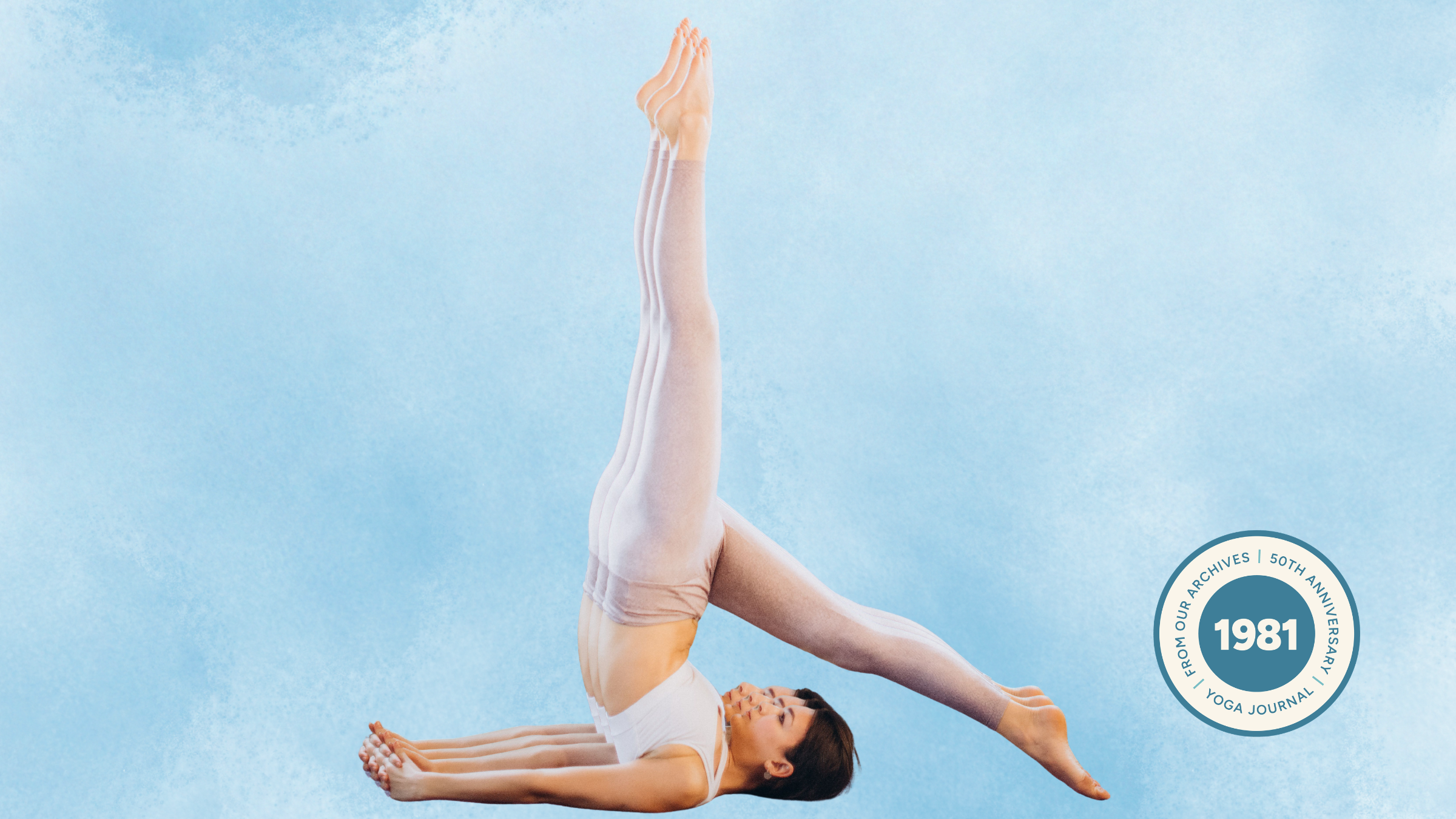
Legs-Up-the-Wall pose, known in Sanskrit as Viparita Karani, serves as a foundational restorative inversion in yoga practice, valued by practitioners for its ability to promote venous return and nervous system regulation. Unlike active inversions such as headstands or handstands, this pose requires minimal muscular engagement, allowing the body to transition into a parasympathetic state—often referred to as “rest and digest”—which can improve physical flexibility by reducing sympathetic nervous system tension.
The Physiology of Passive Inversion
From a clinical perspective, the primary benefit of Viparita Karani lies in the mechanical assistance it provides to the circulatory system. By elevating the legs above the heart, gravity assists in the return of venous blood and lymphatic fluid from the lower extremities to the central circulation. According to the National Institutes of Health (NIH), restorative yoga practices that emphasize supported postures are linked to lower cortisol levels and improved heart rate variability, biomarkers often associated with chronic stress reduction.

When the body enters this state of reduced sympathetic arousal, the connective tissues, including fascia and muscle fibers, are less likely to remain in a state of “guarding” or micro-contraction. This relaxation is essential for increasing range of motion. While the pose is often categorized as an inversion, it functions more accurately as a circulatory aid that supports the body’s natural capacity for recovery and structural release.
Integration into Flexibility Routines
Flexibility is not solely a result of aggressive stretching; it is equally dependent on the nervous system’s permission to lengthen. When a practitioner holds a pose while the nervous system is in a heightened state of alertness, the muscle spindles often react by contracting to protect the joint, limiting the potential for stretch. By utilizing Viparita Karani as a preparatory or concluding posture, practitioners can signal the nervous system to downregulate.

The American Council on Exercise (ACE) notes that restorative yoga, when practiced consistently, can serve as an effective intervention for managing physical fatigue and improving overall joint mobility. Because the pose is passive, it allows the hips and lower back to settle without the interference of compensatory muscle engagement, which can be particularly beneficial for individuals with sedentary occupations who experience tightness in the posterior chain.
Practical Application and Safety
To perform the pose effectively, a practitioner sits with one hip against a wall and swings the legs up as they lie back, ensuring the torso remains perpendicular to the wall. The use of a bolster or folded blanket under the sacrum can further enhance the tilt of the pelvis, which helps to alleviate pressure on the lower lumbar spine. If the hamstrings are particularly tight, moving the hips slightly further away from the wall can reduce the intensity of the stretch.

Medical professionals generally advise that individuals with specific conditions—such as glaucoma, high blood pressure, or those who are pregnant—consult with a physician before incorporating inversions into their routine. While Viparita Karani is considered mild, any change in blood pressure or intraocular pressure should be discussed with a healthcare provider to ensure the practice is appropriate for the individual’s specific health status, as noted by the Mayo Clinic regarding the safety of yoga for various populations.
Consistency and Long-Term Mobility
The efficacy of this pose is cumulative. Rather than a singular session, the benefits to flexibility and systemic regulation appear most pronounced when the posture is held for five to fifteen minutes regularly. This duration allows for the gradual release of tension in the hip flexors and the psoas, muscles that are frequently shortened during prolonged sitting. By creating the space for this passive release, practitioners often find that their active stretching sessions become more productive, as the body is already primed for length rather than resistance.

As of late 2024, there are no new clinical mandates or legislative changes governing the practice of yoga, though research continues to explore the intersection of mindfulness-based movement and physical rehabilitation. Readers interested in the latest clinical findings on therapeutic movement may monitor updates from the National Center for Complementary and Integrative Health for future publications on restorative practices.
Have you integrated restorative inversions into your daily routine? Share your experiences and questions in the comments below.