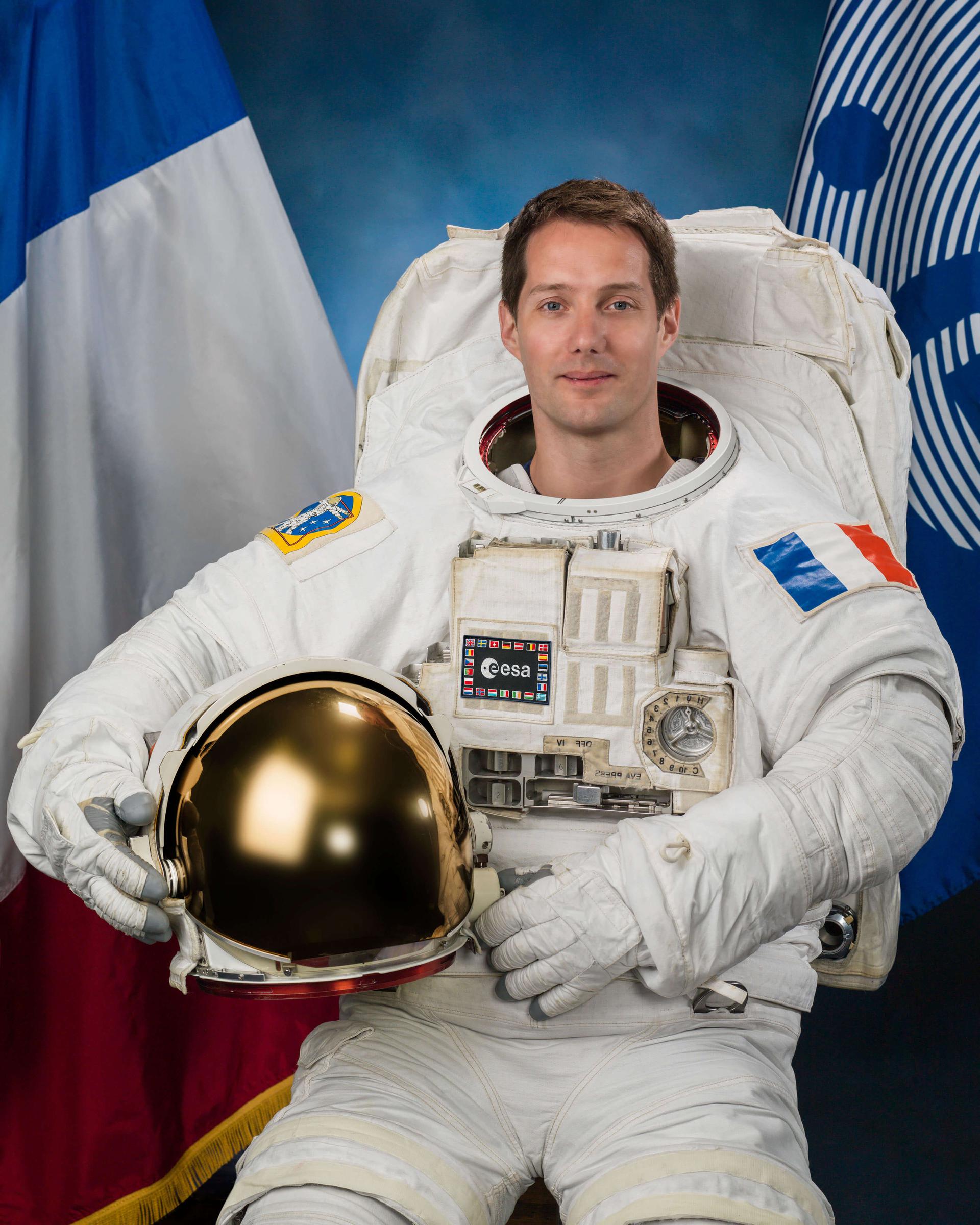
French astronaut Thomas Pesquet argues that space exploration must move beyond being a “glass tower”—an exclusive, detached realm for a few—to become a tool for global benefit and environmental preservation. Speaking in a series of reflections on his time aboard the International Space Station (ISS), Pesquet emphasizes that the perspective gained from orbit should drive terrestrial policy, particularly regarding climate change and international cooperation.
Pesquet, a veteran of two long-duration missions to the ISS, views the “overview effect”—the cognitive shift experienced by astronauts seeing Earth as a fragile, borderless entity—as a necessary catalyst for global unity. According to the European Space Agency (ESA), Pesquet’s missions have focused heavily on scientific research and public outreach, aiming to bridge the gap between complex orbital science and the general public’s understanding of planetary health.
The push for a more inclusive approach to space reflects a broader shift in the industry. While the 20th century was defined by a geopolitical “Space Race” between superpowers, the current era is characterized by the rise of commercial entities and a growing number of sovereign space agencies. Pesquet suggests that if space remains an ivory tower of elite achievement, it fails its primary purpose: improving life for the 8 billion people on the ground.
The Overview Effect and Climate Action
From the vantage point of the ISS, which orbits Earth approximately every 90 minutes at an altitude of roughly 400 kilometers, the lack of national borders is a physical reality. Pesquet has frequently noted that this perspective transforms the abstract concept of “global warming” into a visible, urgent crisis. He argues that the data collected by satellites is not just for scientists but should be a primary driver for political decision-making.

The integration of satellite imagery into climate monitoring has become critical. According to the Copernicus Programme, the European Union’s Earth observation system, satellite data provides the only consistent way to monitor global ice sheet melt, deforestation in the Amazon, and ocean temperature rises in real-time. Pesquet contends that this “eye in the sky” must be used to hold nations accountable to their carbon emission targets.
For Pesquet, the “glass tower” metaphor describes a state where the beauty and data of space are observed from a distance without resulting in tangible change. He advocates for a “democratization” of this perspective, where the psychological impact of seeing Earth’s fragility is translated into a collective sense of responsibility.
Breaking the Barrier of Space Elitism
The cost of space access has historically limited orbital experience to a handful of government-trained professionals. However, the emergence of private companies like SpaceX and Blue Origin is altering the accessibility of the upper atmosphere. While “space tourism” is often criticized as a luxury for the ultra-wealthy, Pesquet views the expansion of access as an opportunity—provided it is coupled with a mission of service.

He suggests that the goal should not be simply to put more people in orbit, but to ensure that the knowledge gained there serves the most vulnerable populations. This includes using space technology for disaster response, agricultural optimization in drought-stricken regions, and providing internet connectivity to remote areas via Low Earth Orbit (LEO) satellite constellations.
The technical complexity of spaceflight often creates a linguistic and intellectual barrier. Pesquet has dedicated a significant portion of his post-flight career to simplifying these concepts, using social media and educational partnerships to explain how microgravity research on the ISS leads to breakthroughs in medicine and materials science on Earth.
International Cooperation in a Fractured Era
The International Space Station stands as one of the few remaining symbols of global cooperation. Despite escalating tensions on Earth, the ISS continues to operate through partnerships between NASA (USA), Roscosmos (Russia), ESA (Europe), JAXA (Japan), and CSA (Canada). Pesquet points to this collaboration as a blueprint for how nations can work together toward a common goal despite profound ideological differences.
However, this stability is fragile. With Russia’s announced plans to eventually withdraw from the ISS to build its own station and the transition toward commercial orbital platforms, the era of a single, unified international laboratory may be ending. Pesquet argues that the successor to the ISS must not be a series of fragmented national silos, but a new framework for “open science” that welcomes global contributors.
The transition to the Artemis program, which aims to return humans to the Moon and eventually send them to Mars, presents a new challenge. Pesquet believes that the exploration of the lunar surface must be governed by treaties that prevent the militarization of space and ensure that lunar resources are managed for the benefit of all humanity, rather than a first-come, first-served land grab.
From Orbit to Earth: Practical Applications
Beyond the philosophical, Pesquet highlights the direct utility of space research. The “glass tower” is shattered when a discovery in orbit saves a life on Earth. Examples include:

- Protein Crystallization: In microgravity, crystals grow larger and more perfectly than on Earth, allowing researchers to better understand the structure of proteins associated with diseases like cancer and Alzheimer’s.
- Water Filtration: The extreme requirements for recycling water and air on the ISS have led to the development of highly efficient filtration systems now used in remote villages and disaster zones.
- Remote Sensing: The ability to detect methane leaks from space is now a primary tool for identifying “super-emitters” and forcing industrial corrections.
By linking these achievements to everyday improvements, Pesquet aims to shift the public perception of space agencies from “expensive explorers” to “essential infrastructure providers.”
The next major milestone for international space cooperation will be the continued rollout of the Artemis missions and the transition of ISS operations to commercial successors over the next decade. As these transitions occur, the debate over whether space remains an exclusive enclave or becomes a global utility will intensify.
Share your thoughts on the future of space exploration in the comments below and follow our tech section for updates on orbital innovation.