
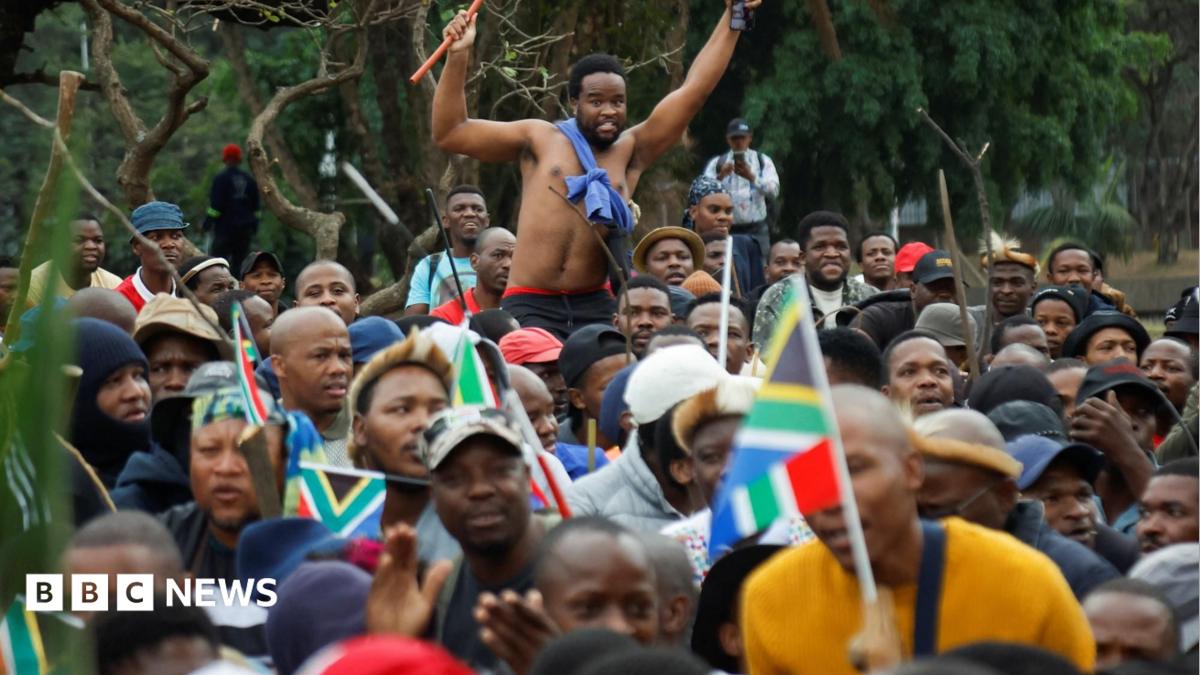
Security forces in South Africa have increased their presence in several provinces as anti-migrant sentiment has led to localized protests and threats targeting foreign nationals. Tensions have risen following a series of campaigns led by groups such as Operation Dudula, which have demanded the departure of undocumented migrants, according to reports from the BBC and other international observers. While official government policy continues to focus on legal immigration reform, the presence of these groups has created a climate of uncertainty for many communities.
The current unrest is largely centered on the economic and social anxieties present in major urban hubs, including Johannesburg and Durban. According to the Human Rights Watch 2024 report, systemic issues such as high unemployment—which reached approximately 32.9% in the first quarter of 2024—have frequently been channeled into xenophobic rhetoric against migrant populations. These groups often demand that businesses verify the legal status of their employees, leading to confrontations in workplaces and residential areas.
The Role of Operation Dudula and Public Protests
Operation Dudula, a movement that gained prominence in 2021, has frequently organized marches and pickets, claiming to target undocumented migrants to prioritize South African citizens for jobs and housing. The group, often led by figures like Nhlanhla Lux, has utilized social media to coordinate demonstrations, frequently setting informal “deadlines” for foreign nationals to vacate specific areas. However, these deadlines carry no legal weight, a point frequently clarified by the Department of Home Affairs, which maintains that only the state has the authority to process or deport individuals based on immigration status.
The impact of these protests has been significant for the migrant community. Many foreign-owned shops in townships have faced forced closures or intimidation. According to an analysis by the Institute for Security Studies, the rise of such vigilantism often fills a vacuum created by perceived failures in law enforcement to address illegal immigration effectively. This has led to a cycle where local communities feel empowered to take the law into their own hands, often resulting in violence that the South African Police Service (SAPS) struggles to contain.
Government Response and Legal Framework
The South African government has faced criticism from both sides of the issue. While some politicians have echoed rhetoric regarding the burden of undocumented migration on public services, the administration of President Cyril Ramaphosa has officially condemned acts of violence and xenophobia. The South African government has repeatedly stated that vigilantism is illegal and that citizens should report immigration violations to the proper authorities rather than engaging in intimidation.

In response to the heightened security risks, the SAPS has deployed additional tactical units to “hotspot” areas where protests are scheduled. These measures are designed to prevent the destruction of property and protect the safety of all residents, regardless of their nationality. Despite these efforts, rights groups argue that the state’s response has been reactive rather than preventative. The Amnesty International 2023/24 review highlights that the lack of accountability for perpetrators of xenophobic violence continues to foster a culture of impunity.
Impact on Migrant Communities
For many migrants living in South Africa, the recent environment of intimidation has led to a sense of precarity. Some have chosen to relocate to different neighborhoods, while others have explored options to return to their home countries due to the difficulty of maintaining a livelihood under constant threat. These movements are often voluntary responses to social pressure rather than the result of formal government deportation proceedings.
The economic contribution of migrants in South Africa remains a point of contention in public discourse. While sectors such as agriculture, retail, and construction rely heavily on migrant labor, anti-migrant groups argue that this labor force suppresses wages for South Africans. Economists, however, have noted that the informal economy, which provides a lifeline for both locals and migrants, is particularly vulnerable to the disruptions caused by these protests.
What Happens Next
The situation remains fluid, with further demonstrations expected as political parties ramp up rhetoric ahead of local and national policy discussions. The next major checkpoint for the country involves the ongoing review of the Immigration Act, which seeks to balance national security with the country’s international obligations. Citizens and residents are encouraged to monitor updates from the South African Police Service regarding potential protest routes and safety advisories in their respective provinces.

As the situation develops, the focus remains on whether the state can effectively de-escalate the tensions while addressing the genuine socio-economic grievances that fuel the unrest. Readers are invited to share their perspectives on this issue in the comments section below, and to follow our ongoing coverage as we track official statements from the Ministry of Home Affairs.