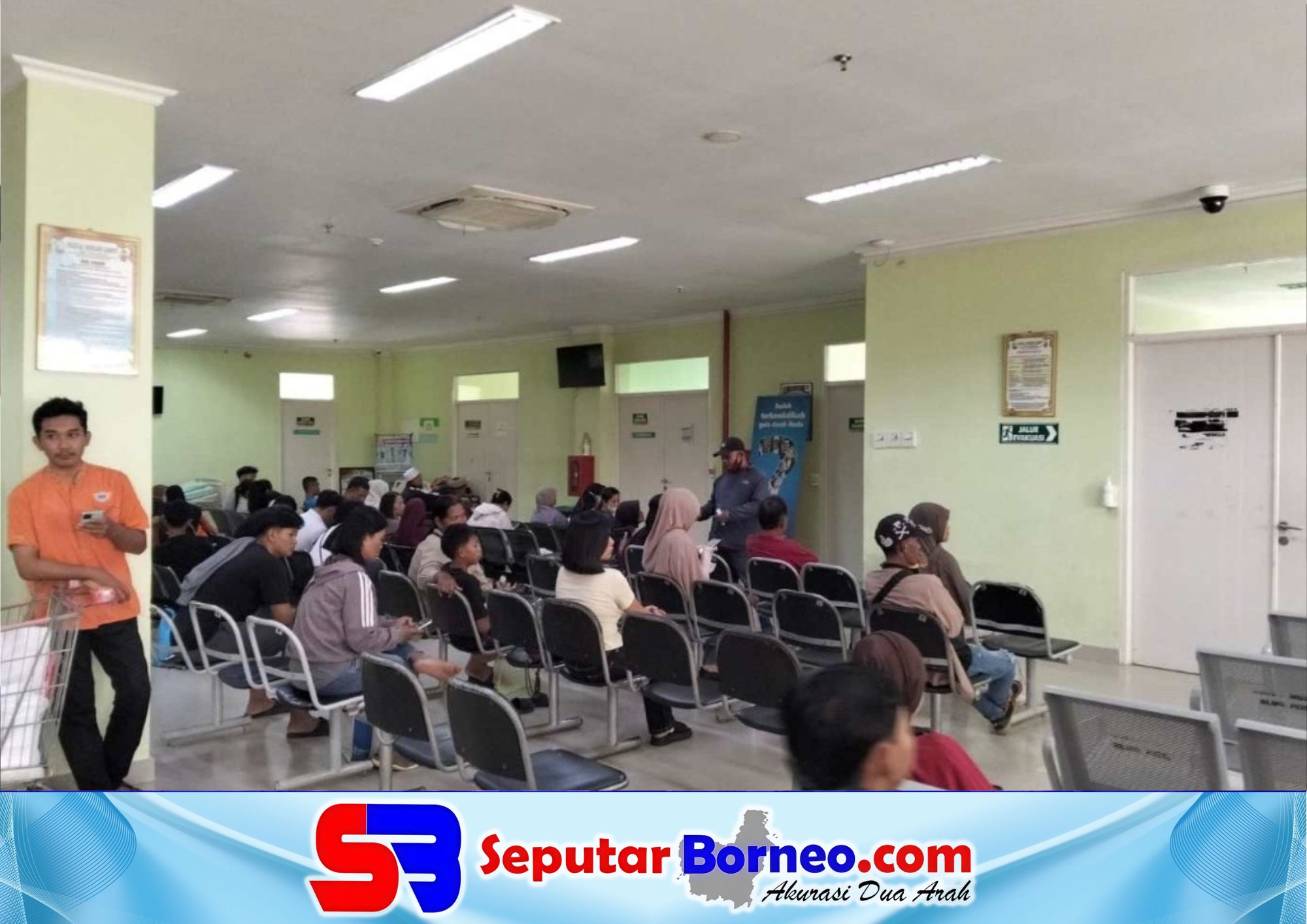
Health authorities in East Kotawaringin, Central Kalimantan, are managing a significant patient load as thousands of children undergo routine treatment for beta thalassemia at the dr. Murjani Regional General Hospital in Sampit. The condition, a genetic blood disorder that requires lifelong medical intervention, remains a primary focus for local public health services due to the high frequency of recurring blood transfusions needed by affected patients.
According to the Indonesian Ministry of Health, beta thalassemia is a hereditary disorder caused by a mutation in the hemoglobin gene, which prevents the body from producing enough healthy red blood cells. In the Sampit region, the clinical management of these patients is centralized at the dr. Murjani facility, which serves as the primary regional referral center for hematological care. As of recent public health reporting, the hospital continues to facilitate regular transfusion cycles and iron chelation therapy for a large pediatric population, a process that is essential to prevent severe anemia and organ damage in those living with the disease.
Understanding Beta Thalassemia Management
Beta thalassemia major is a chronic condition that necessitates consistent medical oversight. Because the body cannot produce sufficient hemoglobin—the protein in red blood cells that carries oxygen—patients require regular blood transfusions to maintain adequate oxygen levels and support physical development. Clinical guidelines from the World Health Organization (WHO) emphasize that these transfusions must be paired with iron chelation therapy to remove excess iron that accumulates in the body as a byproduct of frequent blood infusions. Without this management, iron overload can lead to complications in the heart, liver, and endocrine system.
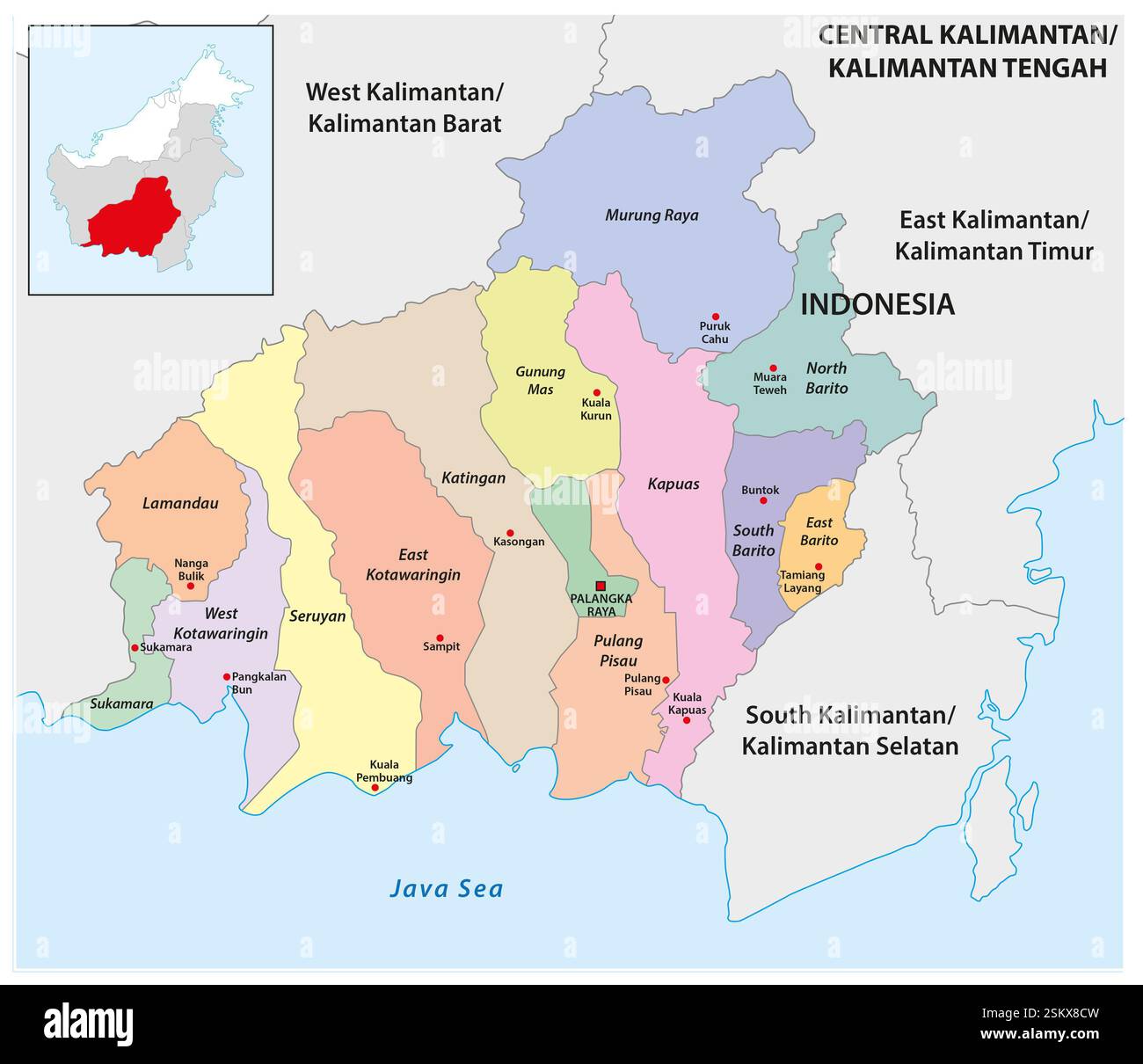
In the context of the Sampit facility, the logistical demand is significant. The hospital must coordinate not only the medical staff and specialized equipment required for these procedures but also ensure a stable supply of blood from local donors. The Indonesian Red Cross (PMI) plays a critical role in this ecosystem, working alongside the hospital to secure blood stocks that meet the safety and compatibility standards required for chronic transfusion patients.
Public Health Challenges in Central Kalimantan
The prevalence of thalassemia in Indonesia is a concern for national health policymakers. Because it is a genetic condition, prevention strategies often focus on pre-marital screening and genetic counseling to help prospective parents understand their risk of passing the trait to their children. The Indonesian Ministry of Health has periodically launched awareness campaigns aimed at increasing the detection of thalassemia carriers, who may appear healthy but carry the gene mutation.

For families in Sampit, the proximity of the dr. Murjani hospital is a vital factor in long-term care. Chronic diseases like thalassemia require a “medical home”—a centralized location where records, transfusion history, and specialist consultations are kept in one place. The reliance on a single regional hub highlights the importance of maintaining robust healthcare infrastructure in remote or secondary cities to ensure that pediatric patients do not face disruptions in their treatment, which could lead to acute health crises.
Support Systems and Future Outlook
Treatment for thalassemia is a long-term commitment that impacts the daily lives of families. Beyond the clinical procedures, support groups and patient advocacy organizations often provide the social and emotional resources necessary for managing a chronic condition. These networks help families navigate the complexities of long-term healthcare, including understanding health insurance coverage and the side effects of medications used to manage iron levels.
Medical experts note that while there is currently no widespread cure for beta thalassemia, gene therapy research is ongoing globally. However, for the present, the standard of care remains centered on consistent transfusion and iron chelation. For the community served by the dr. Murjani hospital, the focus remains on ensuring that every child has access to the life-sustaining blood products they require. Readers interested in supporting these efforts are encouraged to contact their local blood donor centers, as the sustainability of this care is directly dependent on the generosity of voluntary blood donors.
Official updates regarding hospital capacity, blood bank status, and public health initiatives are typically disseminated through the East Kotawaringin Regency Government portal. Residents are advised to monitor these official channels for any changes in service hours or new public health advisories related to hematological care in the region.
Keep reading