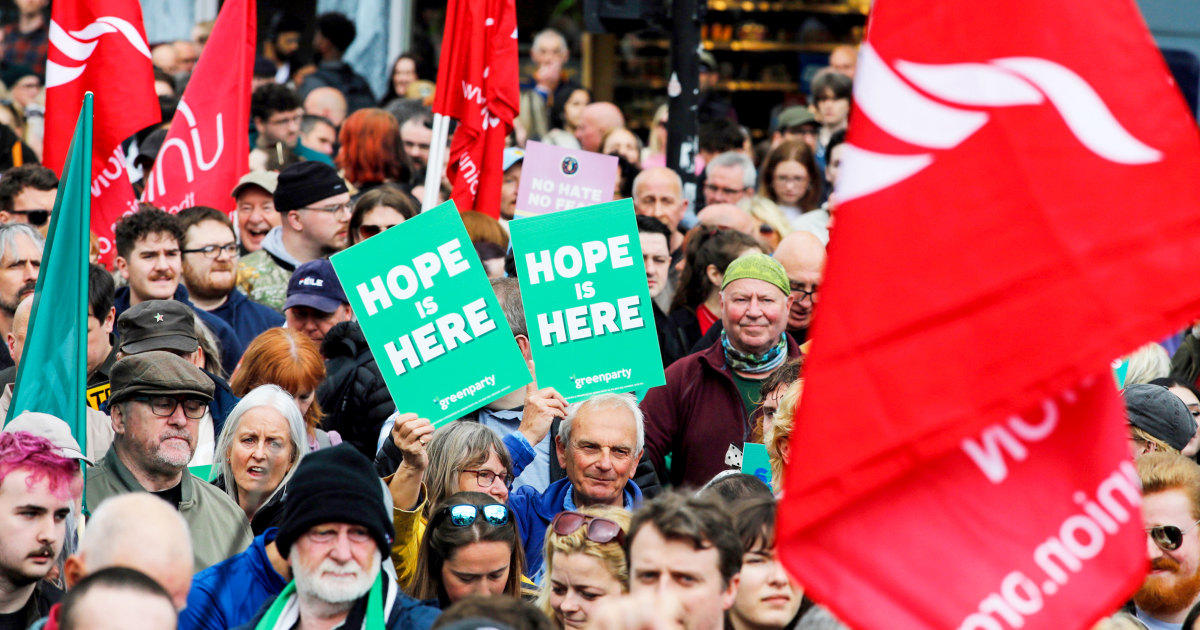
Counter-protesters across the United Kingdom have organized large-scale demonstrations to denounce far-right violence and anti-immigrant rioting. These rallies follow a series of arson attacks and civil disturbances that were triggered by misinformation surrounding a fatal stabbing in Southport, which led to widespread unrest in several English cities throughout August 2024.
While specific localized protests have occurred in various regions, the most intense periods of civil disorder were concentrated in England, where rioters targeted hotels housing asylum seekers, police stations, and residential properties. In response, thousands of citizens have taken to the streets in major urban centers to express solidarity with immigrant communities and condemn the violence.
What triggered the wave of unrest across the UK?
The catalyst for the recent wave of civil unrest was a fatal stabbing attack that occurred in Southport, England, on July 29, 2024. The incident, which resulted in the deaths of three children, was rapidly followed by a surge of online misinformation. Within hours of the attack, unverified claims began circulating on social media platforms, falsely alleging that the suspect was an asylum seeker who had recently arrived in the country by boat.
According to reports from the BBC and other major news outlets, these claims were entirely unfounded. Law enforcement officials confirmed that the suspect was a minor and did not have the status of an asylum seeker as suggested by the viral posts. However, the speed at which the misinformation spread through digital channels provided the momentum for far-right groups to organize physical demonstrations.
The transition from online disinformation to physical violence was marked by a rapid escalation in several towns. What began as localized protests quickly transformed into organized riots. These groups utilized social media to coordinate movements, often targeting specific locations known to house refugees or asylum seekers. The disconnect between the digital narrative and the verified facts on the ground became a primary driver of the subsequent chaos.
How did far-right rioters target local communities?
The unrest was characterized by targeted acts of arson and property damage. Rioters focused heavily on hotels and residential buildings used by the Home Office to accommodate asylum seekers. In several instances, groups gathered outside these facilities, throwing projectiles and setting fires to the entrances, forcing the evacuation of residents and staff.
Beyond targeting immigrant housing, the rioting extended to broader attacks on public infrastructure and private property. In cities such as Sunderland and Rotherham, rioters targeted police stations and local businesses. The violence also included the destruction of vehicles and the looting of shops, creating a sense of instability in many urban neighborhoods. According to Reuters, the scale of the property damage required significant resources from local councils and emergency services to manage.
The impact on local communities has been twofold: the physical destruction of property and the psychological toll on residents. Immigrant families and asylum seekers reported feeling targeted in their own neighborhoods, leading to a heightened sense of insecurity. Community leaders have noted that the attacks were not merely directed at buildings, but were intended to intimidate specific demographics within the population.
What is the scale of the counter-protest movement?
In direct opposition to the far-right demonstrations, a massive wave of counter-protests has emerged across the United Kingdom. These rallies, which have seen thousands of participants in cities like London, Liverpool, and Manchester, aim to promote social cohesion and denounce the tactics used by rioters. Participants in these marches have frequently carried signs calling for unity and condemning racism and xenophobia.
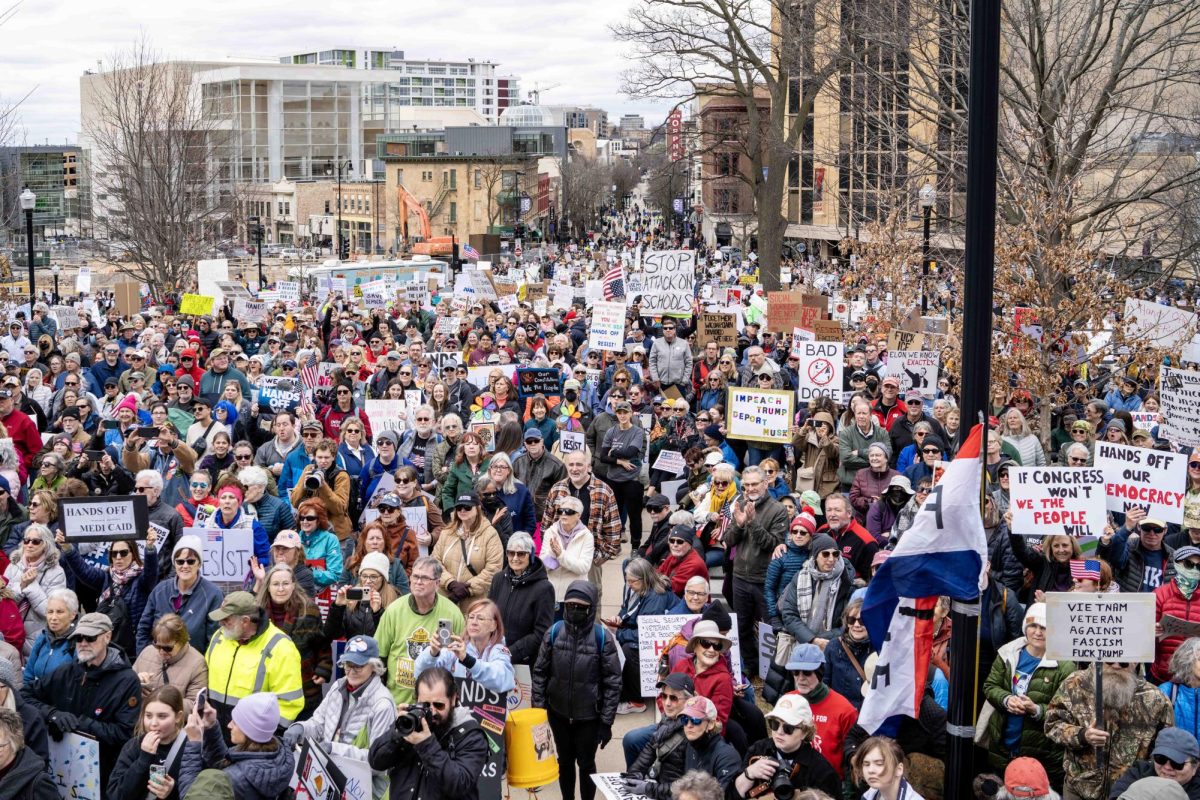
The scale of these counter-demonstrations highlights a significant divide in public sentiment. While far-right groups attempted to capitalize on economic and social anxieties, the counter-protests suggest a widespread rejection of violence as a means of political expression. Organizers of these rallies have emphasized that their goal is to protect vulnerable communities and uphold the principles of a multicultural society.
In Northern Ireland, while the most concentrated physical rioting remained largely an English phenomenon, the political and social response was significant. Community leaders and politicians in Belfast and other major towns issued formal condemnations of the UK-wide violence. They emphasized that the sectarian tensions historically present in the region must not be exacerbated by the influx of far-right ideologies from the mainland.
The contrast between the two movements is stark. The rioters utilized decentralized, often anonymous, social media coordination to incite disorder, whereas the counter-protesters have largely operated through established community organizations, religious groups, and local political structures. This distinction in organization has influenced how both groups are perceived and managed by law enforcement.
How are authorities responding to the civil disorder?
The UK government and national police forces have implemented a heavy response to curb the rioting and prosecute those involved. Under the leadership of Prime Minister Keir Starmer, the government has taken a hardline stance against the violence, labeling the rioters as “thugs” and emphasizing the need for swift legal consequences. The Home Office has also increased its focus on monitoring the spread of misinformation that fuels such unrest.
Law enforcement agencies have reported hundreds of arrests in connection with the riots. Charges have ranged from violent disorder and assault to arson and criminal damage. Police have utilized extensive CCTV footage and social media evidence to identify individuals participating in the attacks. According to official statements from the Metropolitan Police and other regional forces, the priority has been to restore order and ensure the safety of the public and the residents of targeted accommodations.
Beyond immediate arrests, the government is facing pressure to address the underlying issues that allowed the misinformation to take root. This includes discussions regarding the regulation of social media platforms and the speed at which false information can influence real-world behavior. The legal system is also being tested by the volume of cases arising from the unrest, with courts working to process the mass of arrests through the judicial system.
Comparison of Unrest Dynamics
| Feature | Far-Right Rioting | Counter-Protests |
|---|---|---|
| Primary Motivation | Anti-immigrant sentiment and misinformation. | Community solidarity and anti-racism. |
| Tactics Used | Arson, looting, and physical intimidation. | Mass marches, public speeches, and community organizing. |
| Primary Organization | Decentralized social media groups. | Community, religious, and political organizations. |
| Targeted Entities | Asylum seeker hotels, police, and minority businesses. | Public spaces for peaceful demonstration. |
The current situation remains fluid as courts continue to process the individuals arrested during the disturbances. Authorities have indicated that they will continue to pursue all available legal avenues to hold those responsible for arson and violence accountable. Public updates regarding ongoing trials and further arrests are expected to be released through official police channels in the coming weeks.
Please share your thoughts on the impact of these events on community cohesion in the comments below. We encourage respectful dialogue on this developing story.
Worth a look