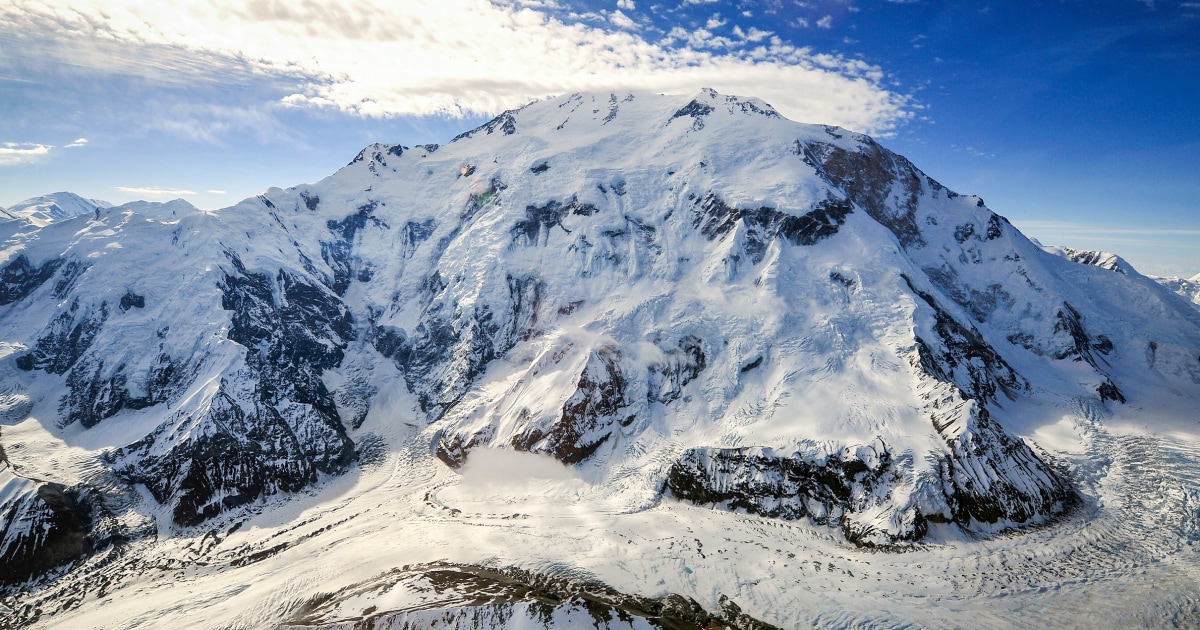
A tragic mountaineering incident on North America’s highest peak has resulted in the deaths of three climbers, with a single survivor currently receiving medical care. The group, identified as Latvian nationals, encountered fatal conditions near a treacherous section of Denali, the mountain formerly known as Mount McKinley, in the Alaska Range.
The incident occurred on the mountain’s upper reaches, a region notorious for its extreme weather, thin atmosphere and technical challenges that test even the most experienced alpinists. According to an official statement released by the National Park Service (NPS), which manages the Denali National Park and Preserve, the climbers were caught in a fall while navigating a high-altitude pass. The event has prompted a somber reminder of the inherent risks associated with high-altitude mountaineering in Alaska’s subarctic environment.
The Incident at Denali’s High-Altitude Pass
The climbers were reportedly ascending the mountain when they fell near the 19,000-foot level, a zone often referred to as the “Football Field” or areas proximal to the West Buttress route. The Anchorage Daily News reported that the group was part of a larger expedition when the accident occurred on Friday. The fall, which involved four individuals in total, resulted in three fatalities, while one member survived and was subsequently extracted by park rangers.
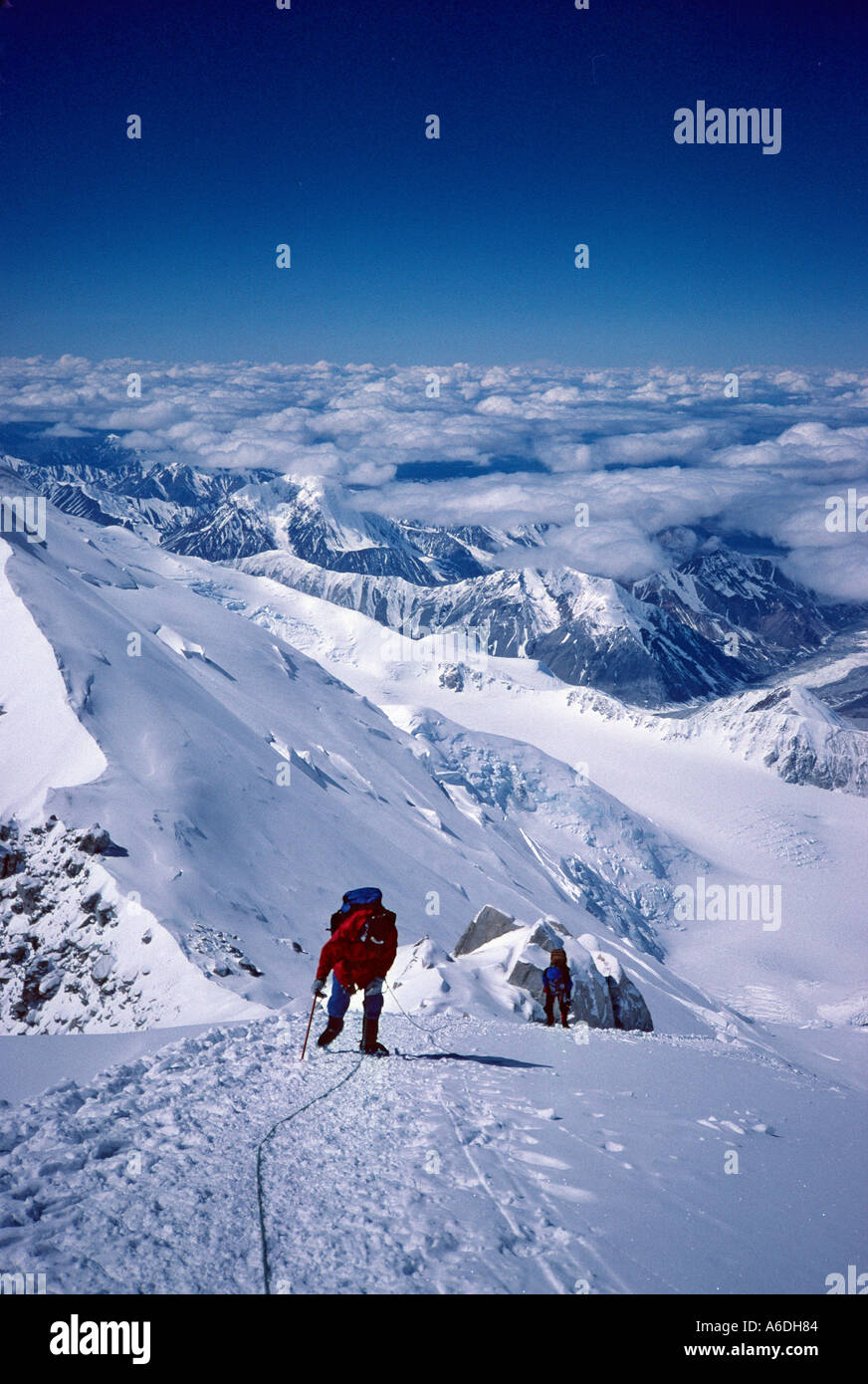
Rescue operations in such extreme terrain are complex and highly dependent on weather windows. Denali’s weather is notoriously volatile; the mountain creates its own microclimates, often bringing hurricane-force winds and whiteout conditions that can ground even the most capable high-altitude rescue helicopters. The National Park Service confirmed that the survivor was transported to a medical facility for treatment, though specific details regarding the survivor’s condition remain private under standard medical privacy protocols.
Mountaineering Risks in the Alaska Range
Denali stands at 20,310 feet (6,190 meters) above sea level, making it the highest point in North America. Its sheer prominence and location just below the Arctic Circle mean that climbers face physiological challenges far more severe than those found on peaks of similar height in tropical or mid-latitude regions. The NPS mountaineering guidelines emphasize that the combination of extreme cold, low oxygen levels, and the potential for rapid weather shifts makes every expedition a high-stakes undertaking.
Technical sections of the climb, such as the traverse around the West Buttress or the final push to the summit, require precise rope management and physical endurance. Falling remains one of the leading causes of injury and death on the mountain, often exacerbated by the nature of the terrain, which features both steep ice slopes and dangerous crevasses. The Latvian mountaineering community has expressed deep sorrow over the loss, with local media in Latvia confirming the identities of the climbers as members of a well-regarded climbing club.
Key Factors in Denali Expeditions
- Altitude Acclimatization: Expeditions typically span two to three weeks to allow for physiological adjustment to low oxygen levels.
- Weather Window Dependency: Climbers must often wait for days or weeks at base camp or intermediate camps for a stable weather window.
- Technical Proficiency: Navigating fixed lines and managing crevasse rescue techniques are mandatory skills for all Denali climbers.
- Physical Conditioning: The ability to haul heavy sleds and packs across glaciers requires peak athletic performance.
What Happens Next: Investigations and Official Reporting
The National Park Service routinely conducts an incident review following major mountaineering accidents. This process involves gathering witness statements, assessing the environmental conditions at the time of the fall, and evaluating the equipment recovered from the site. These reviews are critical for improving safety protocols for future expeditions and providing data to the global mountaineering community about current hazards on the mountain.
For families and the public seeking the most accurate and up-to-date information, the Denali National Park official newsroom serves as the primary source for verified updates. As of this writing, there are no further scheduled public briefings regarding the investigation, but the park continues to monitor climbing conditions as the summer season progresses.
The loss of these three climbers serves as a tragic reminder of the unforgiving nature of Alaska’s tallest peak. Our thoughts remain with the families of the deceased and the survivor as they navigate the aftermath of this incident. We invite our readers to share their thoughts or experiences with high-altitude safety in the comments section below.