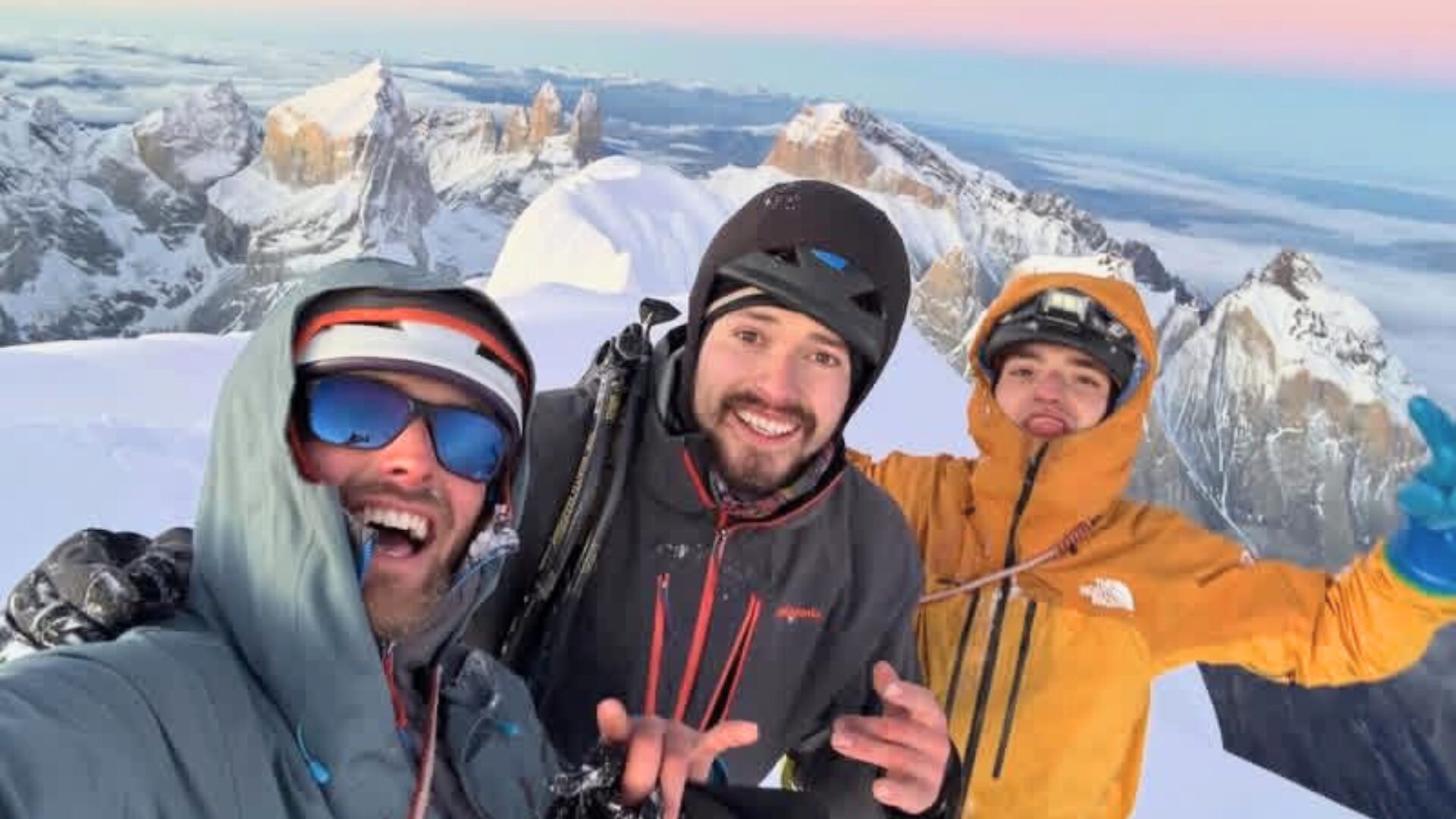
The rugged landscapes of Chile’s Patagonia region have long served as a beacon for the world’s most determined mountaineers. Recently, the climbing community turned its attention to the iconic Torres del Paine National Park, where a team of three climbers successfully reached the highest peak within the park’s formidable boundaries. This feat of endurance and technical skill highlights the enduring allure of one of the most challenging environments in the Southern Hemisphere.
Torres del Paine, located in the Magallanes Region, is world-renowned for its jagged granite peaks, glacial valleys and unpredictable weather patterns that can shift from sunshine to gale-force winds in a matter of minutes. For those who undertake expeditions in this area, success is defined not just by reaching the summit, but by navigating the complex logistics and safety protocols mandated by the Corporación Nacional Forestal (CONAF), the Chilean government agency responsible for managing the country’s national park system.
Navigating the Challenges of Patagonia
Mountaineering in Torres del Paine requires rigorous preparation. The park’s primary features—the granite towers from which the park takes its name—represent some of the most sought-after technical climbs in global alpinism. According to official guidelines provided by the Chilean tourism authorities, all high-altitude expeditions must be registered with local park rangers to ensure that climbers have the necessary gear and emergency communication plans. This oversight is critical given the remote nature of the terrain and the potential for rapid environmental degradation if safety protocols are ignored.

The recent ascent by the three-person team underscores the importance of local knowledge and respect for the park’s natural heritage. Puerto Natales, the gateway city to the park, serves as the primary base for such expeditions. As the city continues to develop its infrastructure to support both tourism and scientific research, the relationship between the local community and the mountaineering fraternity remains a vital component of the region’s identity.
Technical Demands and Environmental Stewardship
Climbing in the high peaks of Torres del Paine is rarely a simple endeavor. It involves traversing glaciers, managing vertical granite faces, and coping with the notoriously high winds that define Patagonian weather. The success of any expedition depends heavily on the climbers’ ability to interpret meteorological data and their adherence to “Leave No Trace” principles, which are strictly enforced throughout the park to protect the sensitive ecosystems of the Magallanes region.
For those interested in the technical aspects of mountain climbing in Chile, the Federación de Andinismo de Chile (FEACH) provides comprehensive resources regarding safety standards and regional mountaineering history. Understanding these standards is essential for anyone looking to replicate such an achievement, as the park authorities prioritize the preservation of the landscape above all else.
Key Considerations for High-Altitude Climbers
- Regulatory Compliance: All climbers must secure permits through CONAF before attempting technical ascents.
- Weather Awareness: Patagonian weather is highly volatile; climbers must be prepared for extreme wind and temperature fluctuations.
- Safety Infrastructure: The use of certified guides and satellite communication devices is strongly encouraged for all expeditions venturing off the marked tourist trails.
- Environmental Ethics: Maintaining the integrity of the park’s flora and fauna is a mandatory responsibility for all visitors.
The Future of Mountaineering in the Region
As interest in extreme sports continues to grow globally, the management of Torres del Paine faces the dual challenge of promoting accessibility while ensuring the long-term protection of its natural resources. The successful summit of this team serves as a testament to the skill required to navigate such a prestigious range, but it also prompts broader discussions about the future of adventure tourism in the area.

The local government and park services are expected to continue updating their access policies to balance the influx of international climbers with the need for environmental conservation. For current updates on park status, trail closures, and expedition guidelines, travelers are encouraged to visit the official CONAF portal for the most recent official advisories.
As the season progresses, the mountaineering community awaits further reports on conditions in the high peaks. Those who wish to follow the latest developments in Chilean mountain sports can monitor updates from the Federation or consult official government bulletins regarding park access. We welcome your thoughts on the evolution of mountaineering in Patagonia—please share your experiences or questions in the comments section below.