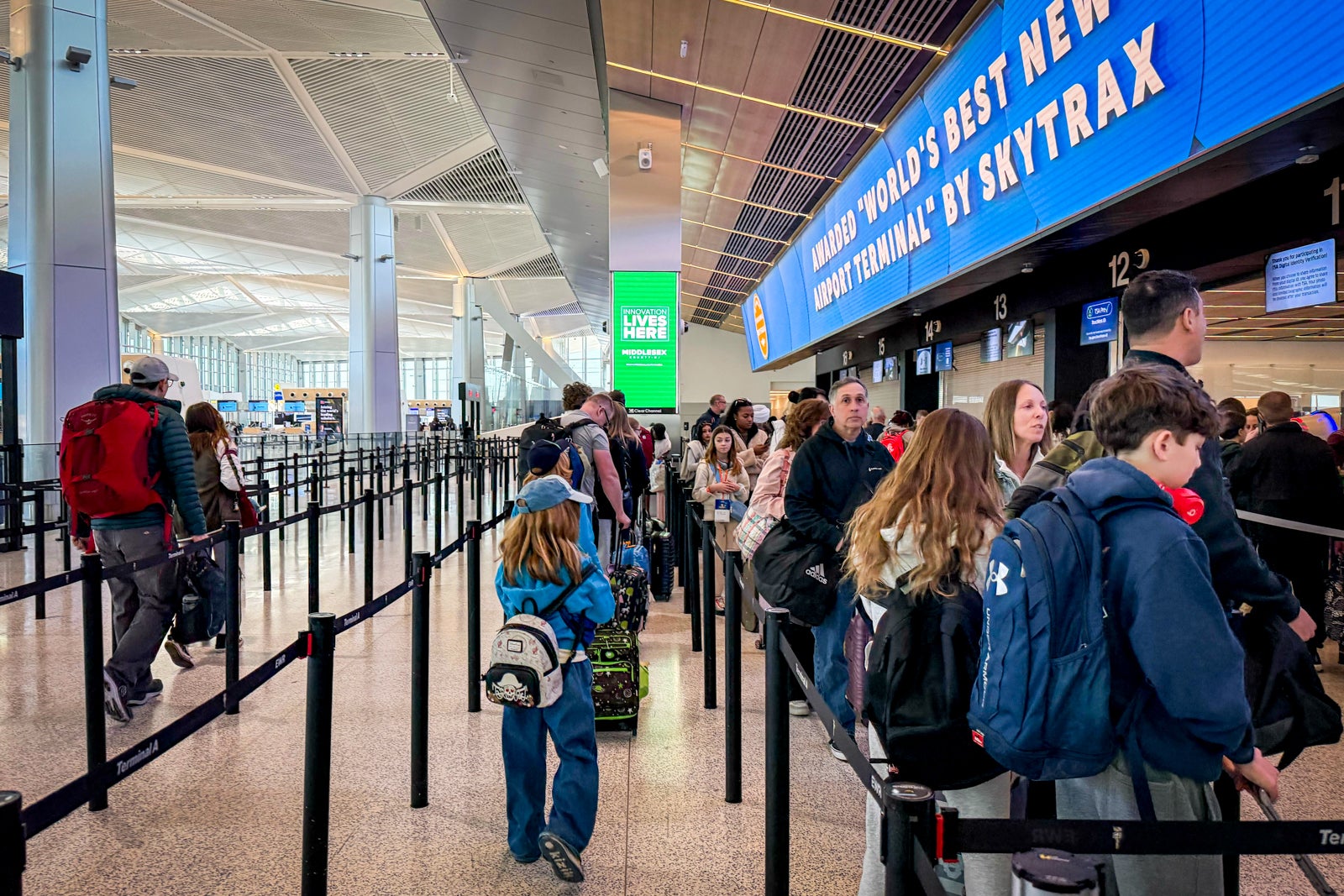
Three U.S. airports in Tampa, Charleston, and Des Moines are set to outsource security screening to private contractors under the new TSA Gold+ program. Launched by the Department of Homeland Security, the voluntary partnership aims to modernize checkpoint technology and reduce shutdown-related disruption risks, drawing swift pushback from worker unions.
A trio of regional aviation hubs is breaking new ground in American airport security.
The shift comes via TSA Gold+, a public-private partnership program launched earlier this year by the U.S. Department of Homeland Security. While the Transportation Security Administration will retain regulatory oversight, participating airports will enlist third-party vendors to manage both checkpoint personnel and the screening equipment used to inspect passengers and baggage.
Tampa, Charleston, and Des Moines Lead the TSA Gold+ Rollout
Each of the three participating airports brings distinct timelines and strategic motivations to the new program. Tampa International Airport announced it opted into the program with a targeted transition date of May 31, 2027, as reported by CNN. Airport communications manager Beau Zimmer noted that the change addresses operational resilience.
In South Carolina, Charleston International Airport is formally pursuing the transition to maintain rigorous standards while seeking operational stability. Elliott Summey, president and CEO of the airport, emphasized that the decision invests in the people protecting travelers by providing better tools and workplace support.
Meanwhile, Des Moines International Airport is exploring the program as it prepares to open a new terminal in 2027. Brian Mulcahy, CEO of the Des Moines Airport Authority, stated that the initiative aligns with the airport’s core objective to make travel efficient by deploying newer screening technology.
Weighing Modernization Against Federal Shutdown Risks
Proponents of the TSA Gold+ program argue that outsourcing checkpoint operations grants local authorities greater agility in upgrading equipment outside the constraints of the federal budget cycle. Furthermore, proponents point to a major vulnerability exposed during recent government shutdowns, when federally employed TSA screeners went without pay, triggering multi-hour delays at major hubs.

Airports utilizing private screeners under the existing Screening Partnership Program—such as San Francisco International Airport and Kansas City International Airport—largely avoided the severe lines that plagued federal checkpoints during past funding lapses.
Union Pushback and Workforce Protections
Labor representatives are raising strong objections to the expansion of private security. The American Federation of Government Employees, which represents over 47,000 screening officers across 400 airports, condemned the rollout.
“Make no mistake – this is a major departure and step backwards from the aviation screening security system that Congress created in the wake of the Sept. 11th terrorist attacks in 2001 and the deadly bombing of Pan Am Flight 103 over Scotland in 1988,”
Everett Kelley, AFGE National President, via USA Today
Union leadership argued that private vendors might prioritize cost-cutting over security consistency. In response to workforce anxiety, airport authorities and agency officials have pledged specific protections for current personnel. Federal security standards will remain mandatory, and TSA personnel will stay on site for oversight. Additionally, current screening officers will receive the first right of refusal for jobs with incoming contractors, backed by requirements for commensurate pay and benefits.
Worth a look