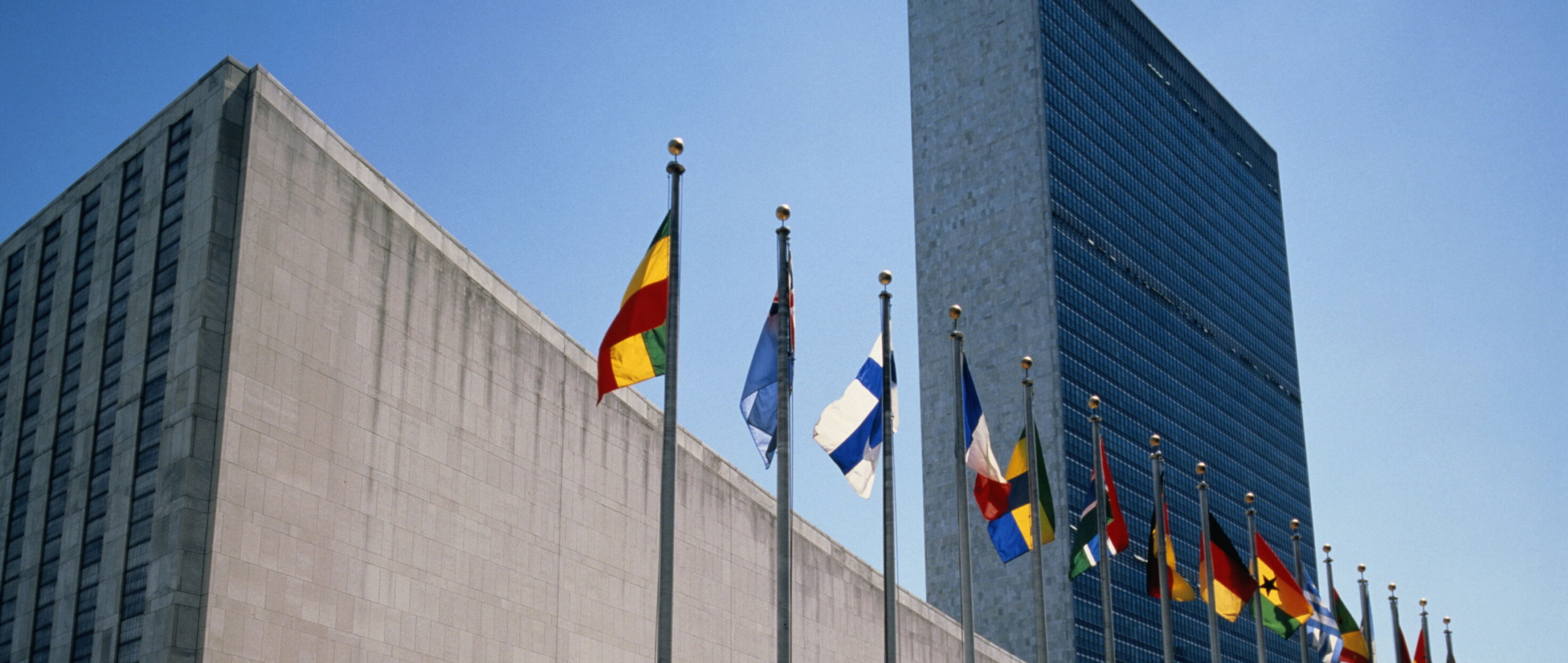
A 52-year-old Tibetan activist died after an apparent act of self-immolation outside the United Nations headquarters in New York on July 2, 2026, according to reports from Tibetan organizations and media. The man, identified as Lobga Rangzen (also known as Lobsang Palden), reportedly carried a Tibetan flag and called for freedom for Tibet before setting himself on fire.
The incident occurred one day after China’s Ethnic Unity Law entered into force on July 1, 2026. Sarah Brooks, Deputy Regional Director of Amnesty International, stated that the death reflects a “depth of desperation” among Tibetans facing ongoing human rights violations and the institutionalization of forced assimilation policies.
Amnesty International has called on Chinese authorities to end repressive policies in Tibet and grant independent UN experts and observers unfettered access to the region. The organization also urged the Chinese government to ensure no reprisals are taken against Rangzen’s family, citing a history of such actions following Tibetan self-immolations.
How does the Ethnic Unity Law affect Tibetan and minority rights?
The Ethnic Unity Law, which became active on July 1, 2026, is described by Amnesty International as a tool that pushes non-Han ethnic groups—including Tibetans, Uyghurs, and Mongolians—toward a single, state-defined national identity. According to the organization, the law prioritizes this unified identity over the protection of distinct cultures and languages.
Amnesty International warns that the legislation further institutionalizes policies of forced assimilation. The organization further claims the law could strengthen the legal framework for transnational repression, allowing the Chinese state to target individuals who peacefully advocate for minority rights outside of China’s borders.
What is the history of self-immolation as a protest in Tibet?
Self-immolation has been used by Tibetans for many years as a method of protest. Sarah Brooks of Amnesty International noted that these acts “do not happen in a vacuum” but are responses to severe restrictions on fundamental freedoms.

Amnesty International has documented decades of human rights violations in Tibet, which include restrictions on freedom of expression, peaceful assembly, and cultural rights. The organization reports that Tibetans face pervasive surveillance, arbitrary detention, and the criminalization of peaceful expressions of Tibetan identity, including limitations on the use of the Tibetan language and restrictions on freedom of religion or belief.
What are the demands for international and Chinese government action?
Human rights advocates are calling for renewed international scrutiny of the crisis in Tibet. Amnesty International has urged other governments to recognize the Ethnic Unity Law as a “dangerous tool of repression” and has demanded that Chinese authorities cease the policies entrenched by this legislation.
The primary demands from the international community and advocacy groups include:
- The immediate cessation of repressive policies targeting Tibetan cultural and religious identity.
- The granting of meaningful, unfettered access to Tibet for UN experts and independent international observers.
- Guarantees against government reprisals toward the families of those who commit self-immolation in protest.
The international community continues to monitor the implementation of the Ethnic Unity Law and its impact on the fundamental freedoms of non-Han ethnic groups within China.
Updates on UN responses to the incident and official statements regarding the Ethnic Unity Law are expected as member states review the human rights situation in the region. Please share your thoughts on this development in the comments below.