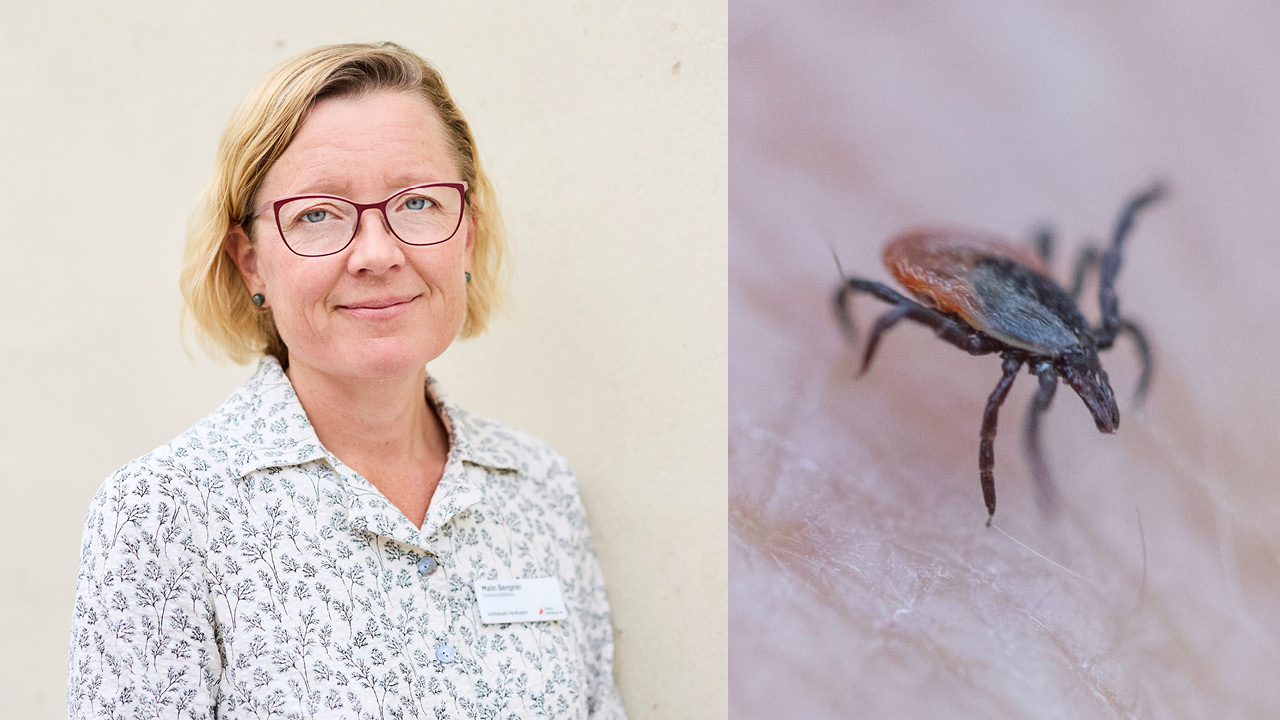
Tick-borne encephalitis (TBE) is becoming an increasingly urgent public health concern across Sweden, as the geographical range of the virus expands and the risks to specific populations become clearer. In regions like Jönköping, health authorities are emphasizing that the TBE vaccination is a critical tool for preventing a disease that can lead to severe neurological complications.
The challenge is compounded by the fact that TBE is spreading. While historically concentrated in specific coastal or forested areas, the virus is gradually moving northward and westward across the country. This shift means that people in municipalities previously considered low-risk may now be vulnerable, especially those who spend significant time in nature, such as hikers, gardeners, and forestry workers.
Public health initiatives are now targeting younger populations to ensure long-term protection. In Region Jönköpings län, a significant policy shift took effect on January 1, 2024, providing free TBE vaccinations for children from age 3 up until the day they turn 19 via Region Jönköpings län. This move reflects a strategic effort to build immunity in younger generations before they enter high-risk adulthood activities.
As a physician and health journalist, I have seen how infectious diseases can shift their impact based on environmental changes. TBE is a prime example of how climate and ecological shifts—such as the movement of ticks and the animals that carry them—directly translate into healthcare challenges. Understanding where the risk is highest and who is most vulnerable is the first step in effective prevention.
Identifying High-Risk Areas and Transmission
TBE is transmitted to humans through the bite of infected ticks, which thrive in moist grass and shrub vegetation. According to the Public Health Agency of Sweden (Folkhälsomyndigheten), the highest incidence of TBE is currently found in Götaland and Svealand, though the risk areas are expanding via Folkhälsomyndigheten.

The agency uses a specific definition to identify municipalities with “increased occurrence” of the virus. A municipality is classified as having a high occurrence if it has had a statistically secured incidence of one or more cases per 100,000 inhabitants during any five-year period since 2005 via Folkhälsomyndigheten. This data-driven approach allows regional health units to provide targeted advice to residents and visitors.
the risk is not uniform. Even within a municipality designated as high-risk, the likelihood of infection varies depending on the specific location and the density of ticks. Individuals can still be infected in municipalities that have not yet met the “increased occurrence” threshold, as the virus continues to spread across the landscape.
Who Should Consider Vaccination?
Regional infection control units generally recommend vaccination for several key groups:
- Visitors to local risk areas.
- Permanent residents of high-risk municipalities.
- People with summer homes in areas where TBE is prevalent.
- Individuals who frequently spend time in forests and fields and are often bitten by ticks.
The Strategy for Youth Protection in Jönköping
The decision by Region Jönköpings län to offer free vaccinations to children and adolescents is a proactive public health measure. By providing the vaccine to children starting at age 3, the region aims to reduce the long-term burden of the disease. This free service remains available until the day before a child turns 19 via Region Jönköpings län.
This initiative is particularly vital because TBE can cause inflammation of the brain and spinal cord. While many cases are mild, the potential for severe neurological impairment makes prevention through vaccination the most effective strategy, as there is no specific antiviral treatment once the infection has occurred.
Key Takeaways for Prevention
- Check for Ticks: Always perform a thorough body check after spending time in nature, focusing on areas where ticks commonly attach.
- Dress Appropriately: Use long sleeves and long trousers tucked into socks when walking in high-risk vegetation.
- Verify Your Location: Use official maps from Folkhälsomyndigheten to notice if your area of residence or vacation is classified as a high-occurrence zone.
- Vaccination Schedule: If you are in a risk group, consult a healthcare provider to establish a vaccination series, as TBE protection requires multiple doses and periodic boosters.
What This Means for Public Health Moving Forward
The expansion of TBE into new territories suggests that the “safe zones” of the past are disappearing. As the virus moves north and west, the burden on healthcare systems in those regions will likely increase. The focus on pediatric vaccination in Jönköping serves as a potential model for other regions facing similar ecological shifts.
For the general public, the message is clear: awareness of tick habitats and a proactive approach to vaccination are the best defenses. While the risk depends on individual behavior—such as how much time one spends in the woods—the underlying environmental risk is rising.
For those seeking official guidance on where to get vaccinated or to check if their municipality is a high-risk area, the Public Health Agency of Sweden and regional health portals provide the most current data and advisories.
The next step for residents in affected regions is to review their vaccination status and consult with local health clinics regarding the current schedules for boosters and initial series. We encourage you to share this information with friends and family who spend time in the Swedish countryside to ensure they are protected.
Related reading