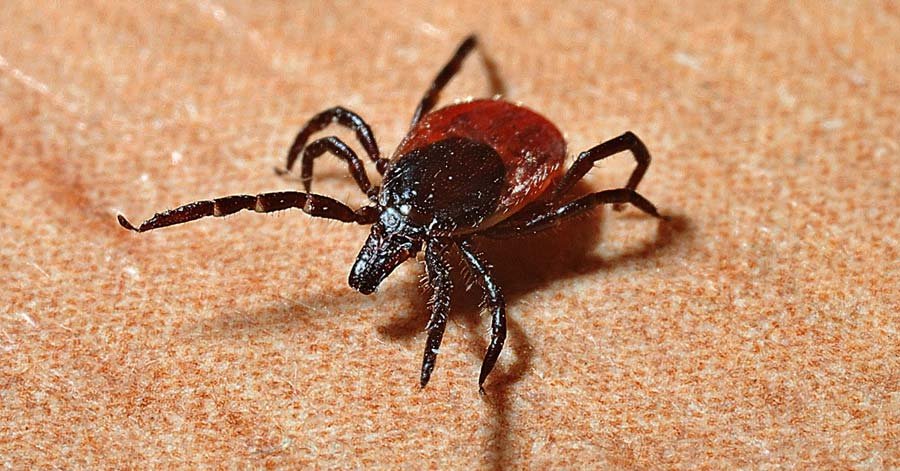
As warmer temperatures approach, health officials are urging individuals to consider vaccination against tick-borne encephalitis, commonly known as Frühsommer-Meningoenzephalitis (FSME). The season for tick activity, and consequently the risk of FSME transmission, is beginning earlier each year, often starting as early as March or April. This shift underscores the importance of proactive preventative measures, with vaccination being the most effective way to protect against this potentially serious viral disease.
FSME is a viral infection transmitted to humans through the bite of infected ticks. While less common than Lyme disease, which is also spread by ticks, FSME can lead to severe neurological complications. Understanding the risks, recognizing the symptoms, and taking appropriate preventative steps are crucial for safeguarding public health. The Robert Koch Institute (RKI) provides comprehensive information on FSME, including risk areas, diagnostic procedures, and preventative measures. You can find detailed information on the RKI website.
Understanding the Threat: FSME and its Symptoms
The FSME virus primarily affects the central nervous system, potentially causing meningitis (inflammation of the membranes surrounding the brain and spinal cord) and encephalitis (inflammation of the brain itself). Initial symptoms often resemble those of the flu, including fever, headache, and nausea. However, as the virus progresses and reaches the central nervous system, more severe neurological symptoms can develop, such as paralysis, speech difficulties, and swallowing problems. In some cases, FSME can lead to lasting disabilities or even be fatal, although fatalities are rare.
The disease typically unfolds in two phases. The initial phase, often mild and non-specific, can last for several days. This is followed by a second phase, occurring in a smaller percentage of those infected, where the virus attacks the central nervous system. Early diagnosis and supportive care are essential for managing the disease and minimizing potential complications. The RKI provides a detailed case definition for FSME, aiding in accurate diagnosis. More information on the case definition can be found on the RKI website.
Vaccination: The Cornerstone of Prevention
Currently, vaccination remains the most effective method of preventing FSME. The vaccine stimulates the immune system to produce antibodies against the virus, providing protection against infection. The vaccination schedule typically involves a primary course of three vaccinations, followed by booster doses to maintain immunity. According to recommendations, the first booster is recommended after three years, and subsequent boosters are advised every five years for individuals under 60, and every three years for those over 60, before the start of the tick season.
It’s important to note that the FSME vaccine does not protect against Lyme disease, another common tick-borne illness. It’s crucial to take additional preventative measures to avoid tick bites, such as wearing long sleeves and pants when venturing into wooded or grassy areas, using insect repellent, and thoroughly checking for ticks after spending time outdoors. The RKI offers frequently asked questions about FSME vaccination, addressing common concerns and providing guidance on the vaccination process. These FAQs are available on the RKI website.
Risk Areas and Recent Activity
FSME is not uniformly distributed across all regions. The risk of contracting the disease varies depending on geographic location and local tick populations. In 2025, Austria experienced a significant level of FSME activity, with 132 hospitalizations and 26 ambulatory cases reported. Eight of these cases were identified in the region of Kärnten. Fortunately, no fatalities were recorded in Austria during that year, although the first case was detected in April and the last in December, demonstrating a prolonged period of risk. The youngest affected individual was just 18 days old, while the oldest was 86 years old, highlighting the vulnerability of all age groups. The peak of infections occurred during the summer months, from June to August.
The RKI regularly publishes maps detailing FSME risk areas within Germany, providing valuable information for travelers and residents alike. These maps are updated periodically to reflect changes in tick populations and disease incidence. It’s essential to consult these maps before spending time in areas known to harbor ticks. The RKI also provides data on the incidence of FSME in various districts and regions, offering a more granular view of the disease’s distribution. Information on risk areas and incidence rates can be found on the RKI website.
Beyond Vaccination: Protecting Yourself from Tick Bites
While vaccination is paramount, it’s equally important to minimize the risk of tick bites in the first place. When spending time in tick-prone environments, such as forests, meadows, and gardens, take the following precautions:
- Wear long sleeves and pants, tucking pants into socks or boots.
- Apply insect repellent containing DEET or icaridin on exposed skin, and clothing.
- Walk on marked trails and avoid dense vegetation.
- Regularly check yourself, your children, and your pets for ticks.
- Remove ticks promptly and correctly using fine-tipped tweezers, grasping the tick as close to the skin as possible and pulling upward with steady, even pressure.
Following a tick bite, it’s important to monitor for any signs of illness, such as fever, headache, or rash. If you develop any symptoms, seek medical attention immediately and inform your doctor about the tick bite. The Bundesinstitut für Öffentliche Gesundheit (BIPG) provides comprehensive information on tick bites and related diseases, including FSME and Lyme disease. You can find more information on their website.
Special Considerations for Prior Vaccination and Related Viruses
Individuals who have previously been vaccinated against FSME, yellow fever, dengue fever, or Japanese encephalitis may experience difficulties in accurately diagnosing a modern FSME infection. This is because the presence of antibodies from prior vaccinations or infections with related flaviviruses can interfere with diagnostic tests. In such cases, interpreting blood test results requires careful consideration and specialized expertise.
The FSME virus belongs to the flavivirus family, which includes several other viruses that can cause encephalitis. Understanding the potential for cross-reactivity between these viruses is crucial for accurate diagnosis and appropriate treatment.
As the FSME season approaches, proactive measures are essential to protect yourself and your family. Vaccination remains the most effective defense against this potentially serious disease. By staying informed, taking preventative measures, and seeking medical attention when necessary, you can minimize your risk and enjoy the outdoors safely. The increasing trend of earlier tick activity emphasizes the need for year-round vigilance and preparedness. Stay updated on the latest recommendations from health authorities and prioritize your health this season.
The RKI continues to monitor FSME activity and provide updated information to the public. For the most current guidance and resources, please visit the RKI website. You can find the latest updates here.
Keep reading