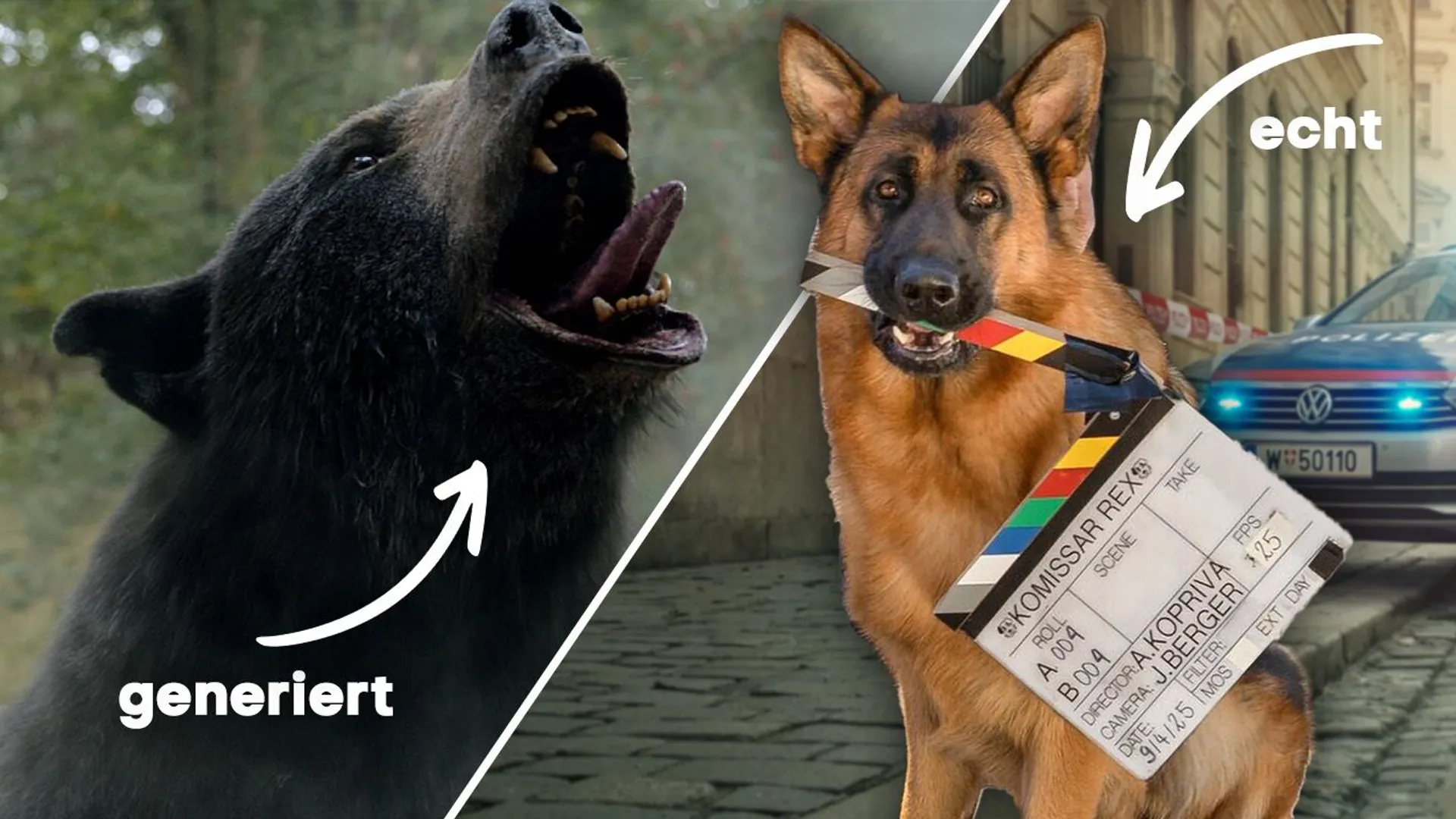
The return of the iconic television series Kommissar Rex to the streaming platform Joyn has reignited a global debate regarding the ethical implications of using live animals in film and television production. While the original series, which first aired in 1994, became a cultural touchstone for its depiction of a crime-solving German Shepherd, modern production standards and shifting public sentiment have placed the use of animal actors under increased scrutiny. Industry experts, animal welfare organizations, and production studios are now balancing the legacy of “animal-led” entertainment against rigorous contemporary safety protocols and the rising technical capabilities of computer-generated imagery (CGI).
The fundamental question—whether using live animals in high-pressure film environments remains justifiable—is currently being addressed by evolving international standards. According to the American Humane Association, which monitors animal welfare on film sets, the industry has transitioned from unregulated practices to a framework governed by strict “No Animals Were Harmed” certification programs. This evolution is driven by both legal requirements and a growing consumer demand for transparency in how animal performers are treated during long shooting schedules.
The Evolution of Animal Welfare Standards in Media
Historically, the treatment of animals on film sets was largely left to the discretion of trainers and individual production companies. However, the rise of global advocacy has forced a shift toward institutionalized oversight. The Royal Society for the Prevention of Cruelty to Animals (RSPCA) notes that the primary concern remains the physical and psychological stress placed on animals during repetitive takes, loud environments, and travel. Modern productions now frequently employ dedicated animal welfare officers whose sole responsibility is to oversee the well-being of the animal cast members throughout the duration of a project.

In the case of high-profile revivals like Kommissar Rex, the challenge lies in maintaining the authentic connection between the human actors and the canine performer while adhering to these modern safety mandates. Unlike the mid-1990s, when the series first established its premise, current productions are often required to file detailed safety reports with local labor and animal welfare boards. These reports ensure that the animal is not subjected to prohibited stunts or excessive working hours, a standard that has become a baseline requirement for major streaming platforms operating in competitive markets.
CGI vs. Live Action: The Technological Shift
As digital technology advances, studios are increasingly turning to CGI to either augment or replace live animals in dangerous or complex scenes. This shift is not merely an ethical choice but often a logistical and financial one. Digital assets do not require specialized handlers, climate-controlled transport, or strict rest periods, offering producers greater flexibility. Yet, industry professionals argue that the “soul” of a character like Rex—a dog whose intelligence and personality are central to the narrative—is difficult to replicate entirely through animation.
The debate surrounding the use of “virtual” animals highlights a divide in audience expectations. While viewers increasingly demand that no animals be harmed during production, they also show a distinct preference for the natural movement and interaction of real animals in traditional “buddy-cop” genre programming. Producers are consequently finding a middle ground: using live animals for close-up, character-driven interactions while utilizing digital effects for high-risk action sequences that would have historically put a live animal at risk.
Regulatory Oversight and Future Prospects
The future of animals in the entertainment industry is likely to be defined by increased regulation. In many jurisdictions, including parts of the European Union, there are ongoing legislative efforts to codify the protection of animal performers into national law, moving beyond voluntary industry guidelines. According to the European Commission’s animal welfare strategy, the focus is shifting toward ensuring that animals used in commercial activities are kept in environments that respect their species-specific needs, regardless of their role in a production.
For platforms like Joyn, the challenge of rebooting classic content involves navigating these sensitive waters. The decision to move forward with such projects requires a commitment to a standard of care that satisfies both the nostalgic audience and the modern, ethically conscious viewer. As production companies look toward future seasons of legacy shows, the industry expects a continued emphasis on “animal-first” policies, where the welfare of the performer is prioritized over the ease of the shot.
The discussion surrounding the role of animals in media is expected to continue as more legacy series are updated for modern streaming audiences. There are no immediate legislative changes regarding animal performers scheduled for the current quarter, but industry unions and animal rights groups remain in active dialogue regarding the tightening of on-set protocols. Viewers interested in the specific welfare certifications of their favorite shows are encouraged to monitor updates from production studios and regional animal oversight committees. Readers are invited to share their thoughts on the balance between tradition and animal welfare in the comments section below.
Keep reading