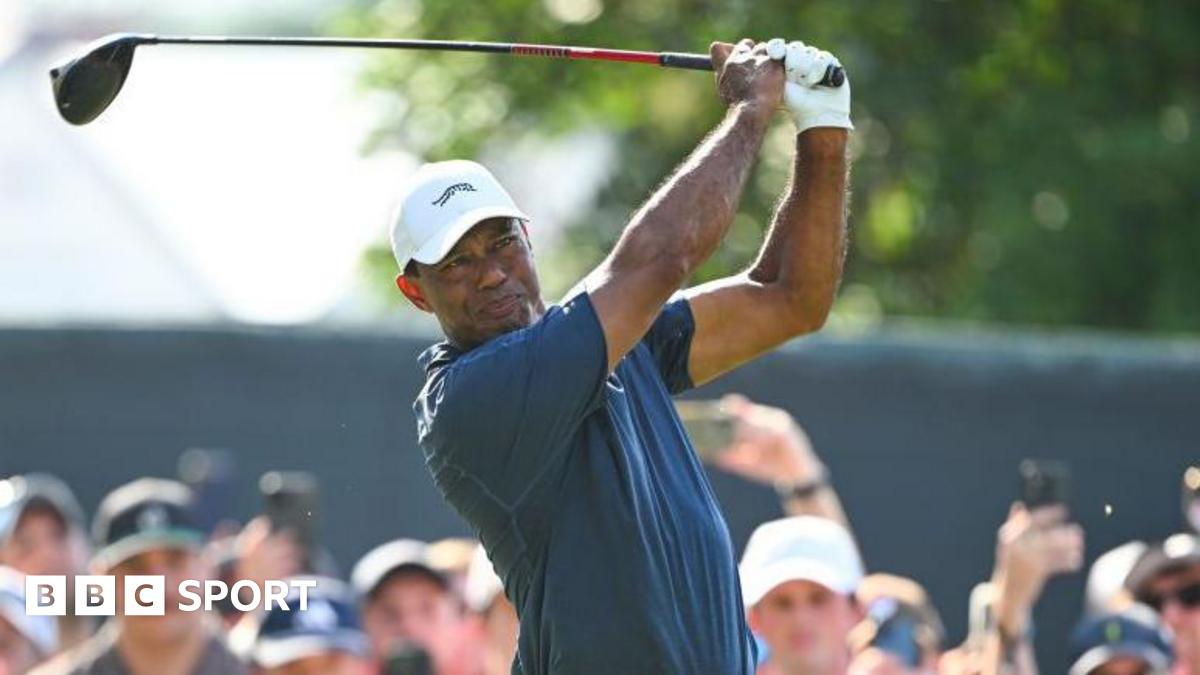
tiger Woods’ Recovery: A Step-by-Step Guide to His Latest Comeback & What It Means for Golf Fans
tiger Woods. The name alone evokes images of golfing greatness. But recent years have been marked by a series of setbacks, injuries, and surgeries. As of December 2023, Woods is navigating another recovery, this time following a recent disc replacement surgery. What does this mean for his return to professional golf, and what can we learn from his journey? This article provides a detailed look at Woods’ current rehabilitation process, timelines, and the challenges he faces, offering insights for both avid fans and those interested in spinal fusion recovery.
Understanding Tiger’s Recent Health Challenges
Woods’ road to recovery hasn’t been linear. He’s faced numerous hurdles as his devastating car accident in February 2021, wich resulted in notable leg injuries. This was followed by a ruptured Achilles tendon in March 2023, requiring surgery. Now, a disc replacement surgery adds another layer to his rehabilitation.
The latest procedure addresses ongoing back pain, a persistent issue throughout his career. Disc replacement, while less invasive than spinal fusion, still demands a meticulous and patient recovery. as Woods himself stated, it’s a “step-by-step” process.
The 6-Week Mark & Beyond: What’s Happening Now?
As of late November/early December 2023, Woods is approximately six weeks post-operation. He’s reported that progress has been “slow,” which is typical for this type of surgery. The initial phase focuses on allowing the surgical site to heal and minimizing inflammation.
However, the encouraging news is that he’s now received clearance to begin strengthening exercises in the gym. This marks a crucial transition from passive recovery to active rehabilitation. This phase is critical for regaining core stability, which is essential for the rotational movements inherent in the golf swing.
The Rehab Roadmap: A Phased approach
Recovering from a disc replacement, especially for an elite athlete like Woods, requires a carefully structured rehabilitation program. Here’s a breakdown of the typical phases:
* Phase 1 (Weeks 1-6): focuses on pain management, wound healing, and gentle range-of-motion exercises. Avoidance of bending, twisting, and lifting is paramount.
* Phase 2 (Weeks 6-12): Gradual introduction of core strengthening exercises,focusing on stabilizing muscles. Light cardio, like walking, may be incorporated.
* Phase 3 (Weeks 12-24): Progressive increase in exercise intensity and complexity. Sport-specific drills begin, mimicking the golf swing with modified movements.
* phase 4 (Months 6+): Full return to golf-specific training, gradually increasing playing time and competitive participation. Ongoing maintenance and preventative exercises are vital.
It’s vital to remember that these timelines are estimates. Individual recovery rates vary based on factors like age, overall health, and adherence to the rehabilitation protocol.
Why is This Comeback Different? The Impact of Disc Replacement
Woods has attempted comebacks before, notably after multiple back surgeries, including spinal fusion. Disc replacement differs from fusion. Fusion permanently joins two vertebrae, limiting range of motion. Replacement aims to maintain motion while alleviating pain.
According to a study published in the Spine Journal (November 2023), patients undergoing disc replacement generally experience faster recovery times and greater flexibility compared to those undergoing fusion. However, the long-term durability of disc replacements, notably in high-impact athletes, is still being studied. This makes Woods’ case particularly compelling – he’s pushing the boundaries of what’s possible.
The Mental game: Woods’ Passion to Play
Beyond the physical challenges, Woods’ motivation is a key factor in his recovery. He’s repeatedly emphasized his “passion to just play.” This intrinsic drive is crucial for overcoming the mental hurdles associated with repeated injuries and rehabilitation.
“I haven’t done that in a long time and it’s been a tough year,” Woods admitted. His desire to compete, to feel the thrill of the game, is a powerful force. this mental fortitude is often underestimated in recovery narratives.
What Does This Mean for His
Related reading