
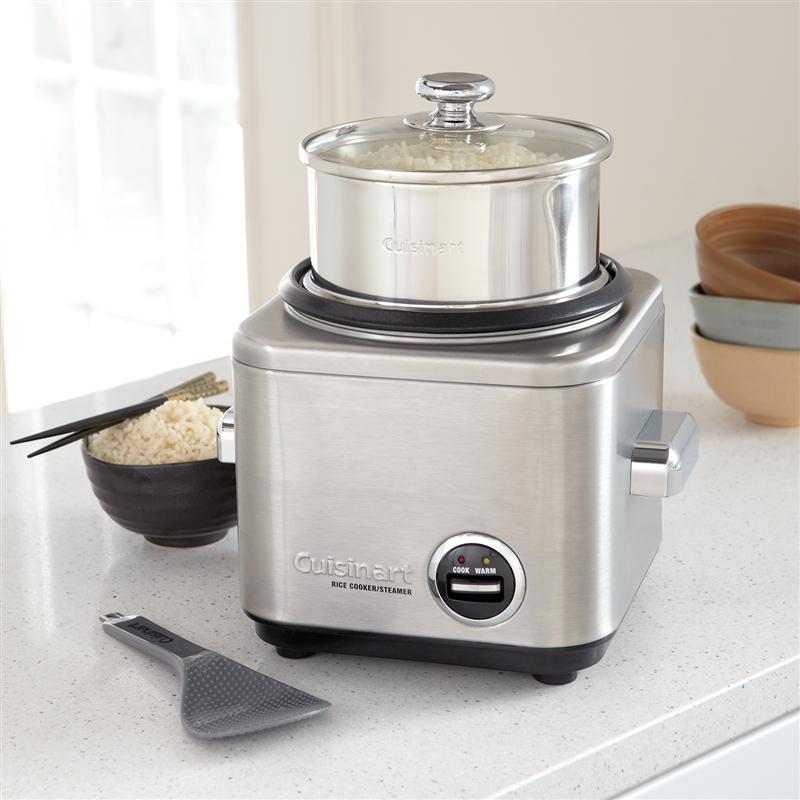
In recent weeks, social media platforms have seen growing interest in low-glycemic rice cookers, particularly those marketed as premium models designed to reduce carbohydrate absorption. On TikTok, videos tagged with #프리미엄저당밥솥 have drawn attention from users seeking healthier meal preparation options, especially for family breakfasts. These clips often highlight appliance features such as induction heating, non-stick inner pots, and programmable settings aimed at producing rice with a lower glycemic impact.
One video from a Korean wellness account demonstrated the use of a premium low-glycemic rice cooker to prepare morning meals for children, emphasizing ease of use and consistent results. The creator noted that the appliance allows for steaming vegetables or proteins simultaneously, supporting balanced diets without requiring multiple cookware items. Another clip, shared on Instagram Reels by a lifestyle content creator, showed the device being used to reheat pre-cooked meals, highlighting its versatility beyond rice preparation.
While these user-generated videos reflect consumer enthusiasm, they do not substitute for clinical evidence or regulatory assessments of health claims. As of April 2026, no major international health authority—including the World Health Organization or the U.S. Food and Drug Administration—has issued specific guidelines endorsing low-glycemic rice cookers as medical devices or proven tools for diabetes management. Independent studies on starch modification through cooking methods remain limited in scope, with most research focusing on food composition rather than appliance efficacy.
Manufacturers of such appliances typically describe their technology as using precise temperature and pressure control to alter starch gelatinization, potentially increasing resistant starch content. However, peer-reviewed validation of these mechanisms in household settings is sparse. A 2023 review in the Journal of Nutrition and Metabolism noted that while certain cooking techniques can influence glycemic response, outcomes vary significantly based on rice variety, soaking time, and post-cooking handling—factors not always controlled in home use.
Consumers interested in these products should consider independent testing reports from consumer affairs agencies. In South Korea, the Korea Consumer Agency periodically evaluates kitchen appliances for safety and performance claims, though its public reports do not yet include specific assessments of low-glycemic rice cookers. Similarly, Japan’s National Consumer Affairs Center has not released recent findings on this product category as of early 2026.
Retail availability of premium low-glycemic rice cookers has expanded through major e-commerce platforms in East Asia, with some models priced between 150,000 and 300,000 KRW (approximately $110–$220 USD). Warranty periods commonly range from one to two years, covering electrical components and inner pot coating under normal use. After-sales service networks vary by brand, with larger manufacturers offering regional repair centers in urban areas.
For individuals managing blood sugar levels, healthcare professionals continue to emphasize established dietary strategies: portion control, pairing carbohydrates with protein and fat, and choosing whole grain varieties. While innovative kitchen tools may support healthier habits, they are not a substitute for evidence-based nutrition guidance. Anyone considering significant dietary changes—particularly those with metabolic conditions—should consult a registered dietitian or physician.
The conversation around low-glycemic cooking appliances illustrates how social media can amplify interest in wellness trends, sometimes ahead of scientific consensus. As research evolves, regulators and health organizations may provide clearer guidance on claims made by manufacturers. Until then, consumers are advised to approach such products with informed skepticism, prioritizing verified information over viral demonstrations.
As of April 21, 2026, no official updates or regulatory announcements regarding low-glycemic rice cookers have been scheduled for release by major health agencies. Readers seeking ongoing developments in nutritional technology or food safety standards are encouraged to monitor publications from the Codex Alimentarius Commission or national food safety authorities.
We welcome your thoughts and experiences with health-focused kitchen appliances. Have you tried a low-glycemic rice cooker? Share your insights in the comments below, and consider sharing this article with others interested in evidence-based approaches to healthy eating.