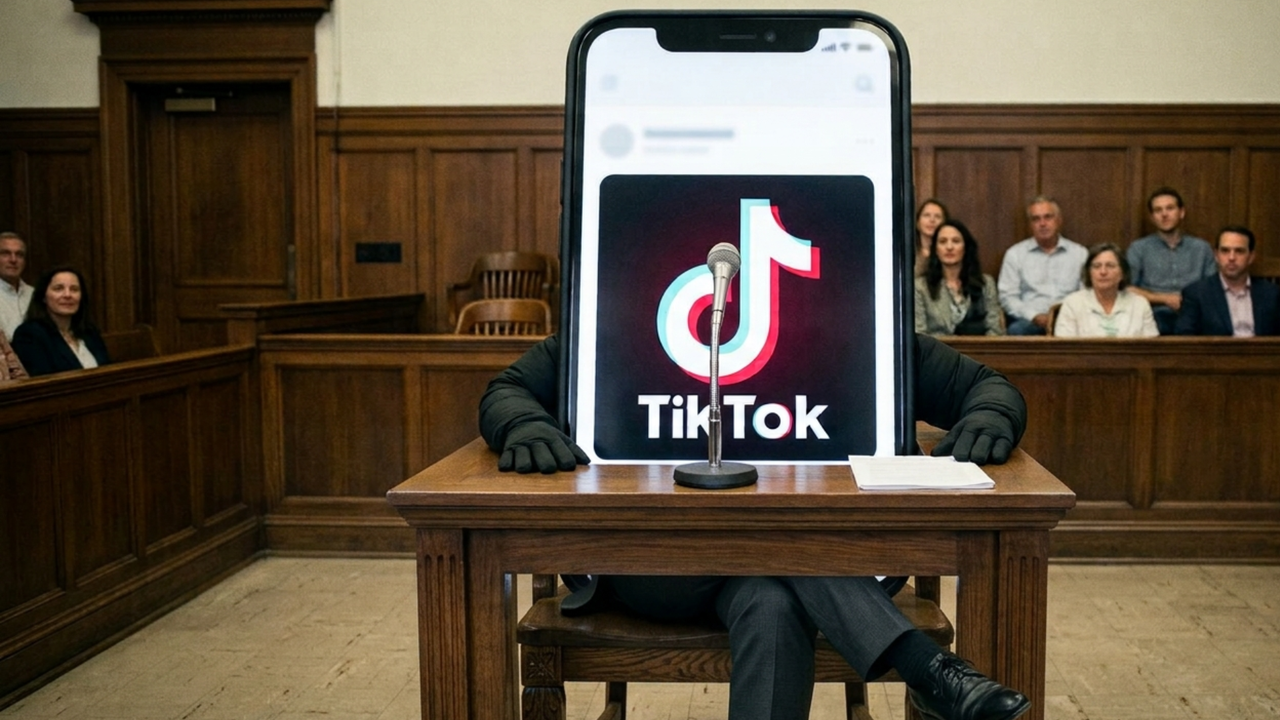
TikTok has reached a confidential settlement in a lawsuit filed by a teenager, identified in court records as R.K.C., who alleged that the platform’s design features contributed to severe social media addiction. The agreement effectively removes the short-form video giant from the ongoing litigation, leaving other major social media companies to face similar claims in the consolidated legal proceedings.
Legal Context and the Settlement
The settlement concludes R.K.C.’s individual claims against ByteDance, the parent company of TikTok. While the specific terms of the agreement remain confidential, the move marks a significant shift in the broader multidistrict litigation (MDL) currently moving through the U.S. court system. This MDL consolidates hundreds of lawsuits brought by families and school districts against various social media platforms, alleging that features such as infinite scrolling and algorithmic content feeds are intentionally engineered to capture and hold the attention of minors, leading to mental health struggles.

According to court filings associated with the Social Media Adolescent Addiction/Personal Injury Products Liability Litigation, plaintiffs argue that these design choices constitute a public nuisance and a product defect. By settling, TikTok avoids a public trial that would have required the company to disclose proprietary information regarding its recommendation algorithms and internal safety research.
Status of Other Defendants
With TikTok’s exit from this specific case, Meta Platforms—the parent company of Facebook and Instagram—and Snap Inc., the developer of Snapchat, remain the primary targets in the ongoing litigation. These companies continue to contest the allegations, maintaining that their platforms are safe and that they provide tools for parents to manage their children’s usage.
The litigation, centered in the U.S. District Court for the Northern District of California, involves allegations that the companies prioritized engagement metrics over the well-being of adolescent users. A report by Reuters confirmed that the settlement was reached shortly before the case was slated to proceed further in the discovery phase. Meta and Snap have consistently argued that the claims fail to account for the complexities of teen mental health and that existing moderation efforts are sufficient to mitigate risks.
Broader Implications for Tech Regulation
The resolution of this case highlights the growing legal pressure on social media firms regarding youth safety. Legislative bodies in the United States have increasingly scrutinized how tech companies handle data and exposure for minors. As noted by the Federal Trade Commission (FTC), there is heightened concern regarding how commercial surveillance and data collection practices interact with the developmental vulnerabilities of younger users.

For parents and educators, the legal landscape surrounding these platforms remains in flux. While settlements like this provide a resolution for individual plaintiffs, they do not establish binding legal precedents that change the fundamental architecture of social media apps. Stakeholders are currently awaiting further rulings from the district court regarding the scope of liability for platform developers.
What Happens Next
The consolidated litigation in the Northern District of California continues with Meta and Snap as the remaining defendants. The court is expected to oversee further discovery and motion practice in the coming months, which will determine whether the plaintiffs’ claims regarding algorithmic design and addiction can proceed to a jury trial.
Future updates regarding the progress of these lawsuits will be posted to the court’s official cases of interest portal. As this story develops, further details regarding the impact on industry-wide safety standards will be monitored. Please share your thoughts on the intersection of platform design and user safety in the comments below.