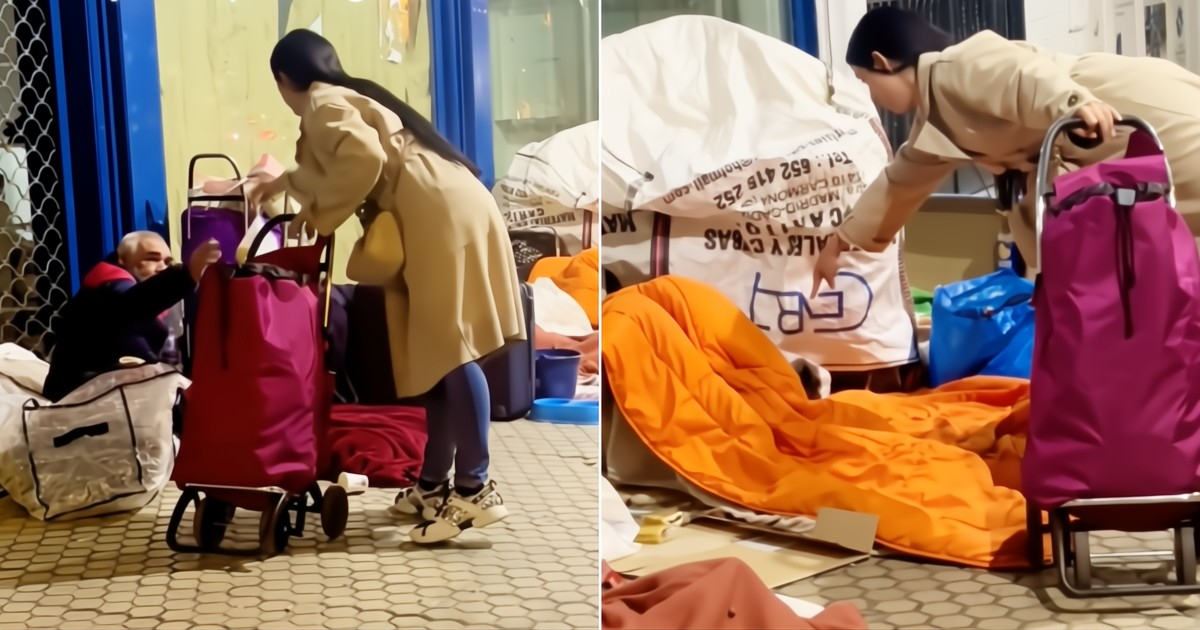
The Line Between Solidarity and Spectacle: A TikTok Video Sparks Debate in Spain
Seville, Spain – A simple act of kindness, captured on TikTok, has ignited a complex conversation about public displays of charity and the ethics of social media activism. Thalia Mazola, a Cuban content creator living in Spain, recently posted a video showing herself distributing snacks to people experiencing homelessness in Seville. The 18-second clip, posted on February 13th, quickly garnered attention, sparking a debate about whether such acts should be documented and shared online, or if they risk exploiting vulnerability for social media engagement. The video has amassed over 12,900 views, 1,237 likes and 332 comments, demonstrating the public’s interest in the issue.
Mazola’s video isn’t occurring in a vacuum. It taps into a growing skepticism in Spain regarding “solidarity shows” – instances where individuals or influencers publicly document their charitable acts. This skepticism reached a fever pitch in November 2024 following the severe flooding caused by the DANA (Dirección General de Protección Civil y Emergencias) storm in Valencia, where some content creators were accused of prioritizing self-promotion over genuine assistance. The question of where to draw the line between raising awareness and turning suffering into content remains a contentious issue in the Spanish public sphere. This debate is further complicated by a broader trend of questioning authenticity in online spaces, and a growing awareness of the potential for performative activism.
The situation likewise resonates with broader discussions within the Cuban diaspora in Spain. A recent report highlighted a sense of diminishing empathy among Cuban emigrants, a tension that Mazola’s gesture directly addresses. The act of providing aid, even when questioned, speaks to a deeply ingrained cultural habit of offering assistance, a practice many Cubans carry with them even when advised against documenting it. This impulse to aid contrasts sharply with the challenges faced by those experiencing homelessness in Cuba itself, where limited state resources and a lack of comprehensive social safety nets leave activists to fill critical gaps in support.
A Contrast in Support Systems: Cuba and Spain
In Cuba, the absence of robust public policies aimed at addressing homelessness places a significant burden on grassroots activists. In February 2026, Lara Crofs and Daniela Peral organized a distribution of warm clothing and food to individuals experiencing homelessness in Havana, demonstrating a citizen-led response to a pressing social need. Similarly, activist Noly Blak garnered attention in March 2026 when he publicly distributed 65,000 Cuban pesos to vulnerable individuals in Holguín, a gesture intended to highlight the country’s economic crisis and the perceived lack of institutional support. CiberCuba reported on Blak’s actions, framing it as a direct response to the economic hardships faced by many Cubans.
The situation in Spain, while possessing its own challenges, benefits from a more established social welfare system. However, the debate sparked by Mazola’s TikTok video reveals a critical examination of how aid is presented and received. The hashtag #NoEsPostureo – “This isn’t posing” – used by Mazola, directly confronts the accusations of insincerity that often plague online displays of charity. This suggests a conscious effort to preempt criticism and emphasize the genuine intent behind her actions. The use of social media, while potentially problematic, also offers a platform to reach a wider audience and potentially mobilize further support.
The Rise of Cuban Solidarity in Spain
Mazola’s work on TikTok extends beyond this single act of kindness. She regularly documents the experiences of Cuban immigrants in Spain, addressing themes of empathy and cultural differences. This places her within a larger trend of Cuban content creators using social media to build community and raise awareness about the challenges and triumphs of the diaspora. CiberCuba reported in February 2025 on a young Cuban YouTuber who similarly engaged in providing aid to those in need, highlighting a pattern of proactive support within the community.
This proactive approach to community support is particularly noteworthy given a recent observation that some within the Cuban emigrant community in Spain are experiencing a decline in empathy towards their fellow countrymen. As reported by CiberCuba on March 12, 2026, one Cuban woman in Spain voiced concerns about this trend, suggesting a potential disconnect between those who have successfully integrated into their new lives and those still struggling.
Navigating the Ethics of Online Charity
The controversy surrounding Mazola’s video, and similar instances, underscores the complex ethical considerations inherent in using social media to document charitable work. While such posts can raise awareness and inspire donations, they also carry the risk of exploiting vulnerability and prioritizing personal gain over genuine altruism. The DANA storm in Valencia served as a stark example of this tension, with some creators facing accusations of capitalizing on the suffering of others. The incident prompted widespread discussion about the responsibility of influencers and the need for greater transparency in charitable endeavors.
The debate isn’t simply about whether to film acts of kindness, but *how* they are presented. Context, intent, and the potential impact on those being helped are all crucial factors. Simply documenting an act of charity isn’t inherently problematic, but framing it in a way that prioritizes self-promotion or sensationalism can be deeply damaging. The use of hashtags like #NoEsPostureo demonstrates an awareness of this dynamic and an attempt to proactively address potential criticism.
Mazola’s video serves as a microcosm of a larger societal conversation about the role of social media in shaping our perceptions of charity and empathy. It highlights the need for critical thinking, both as creators and consumers of online content, and a continued examination of the ethical boundaries of digital activism. The incident also underscores the enduring power of individual acts of kindness, even when they are met with skepticism or controversy.
As the debate continues, it’s likely that we’ll see further scrutiny of online charitable displays and a growing demand for transparency and accountability. The Spanish government has not yet issued any official statements regarding regulations for online fundraising or the documentation of charitable acts, but the ongoing public discourse may prompt future policy considerations. The next development to watch will be whether any formal guidelines or best practices emerge from within the influencer community itself, addressing the ethical concerns raised by this and similar incidents.
What are your thoughts? Share your perspective on the ethics of documenting charitable acts in the comments below. And if you found this article insightful, please share it with your network.
Related reading
- Huawei Nova 16 Series: Release Date, 200MP Camera, and Design Leaks
- Apple Captures Record 49% of Global Smartphone Revenue in Q2 Despite 23% Shipment Share
- Spain Reports Reversal of Migrant Surge Into Ceuta Enclave (archyde.com)
- White House TikTok Video Sparks Controversy Over Song Choice (world-today-news.com)