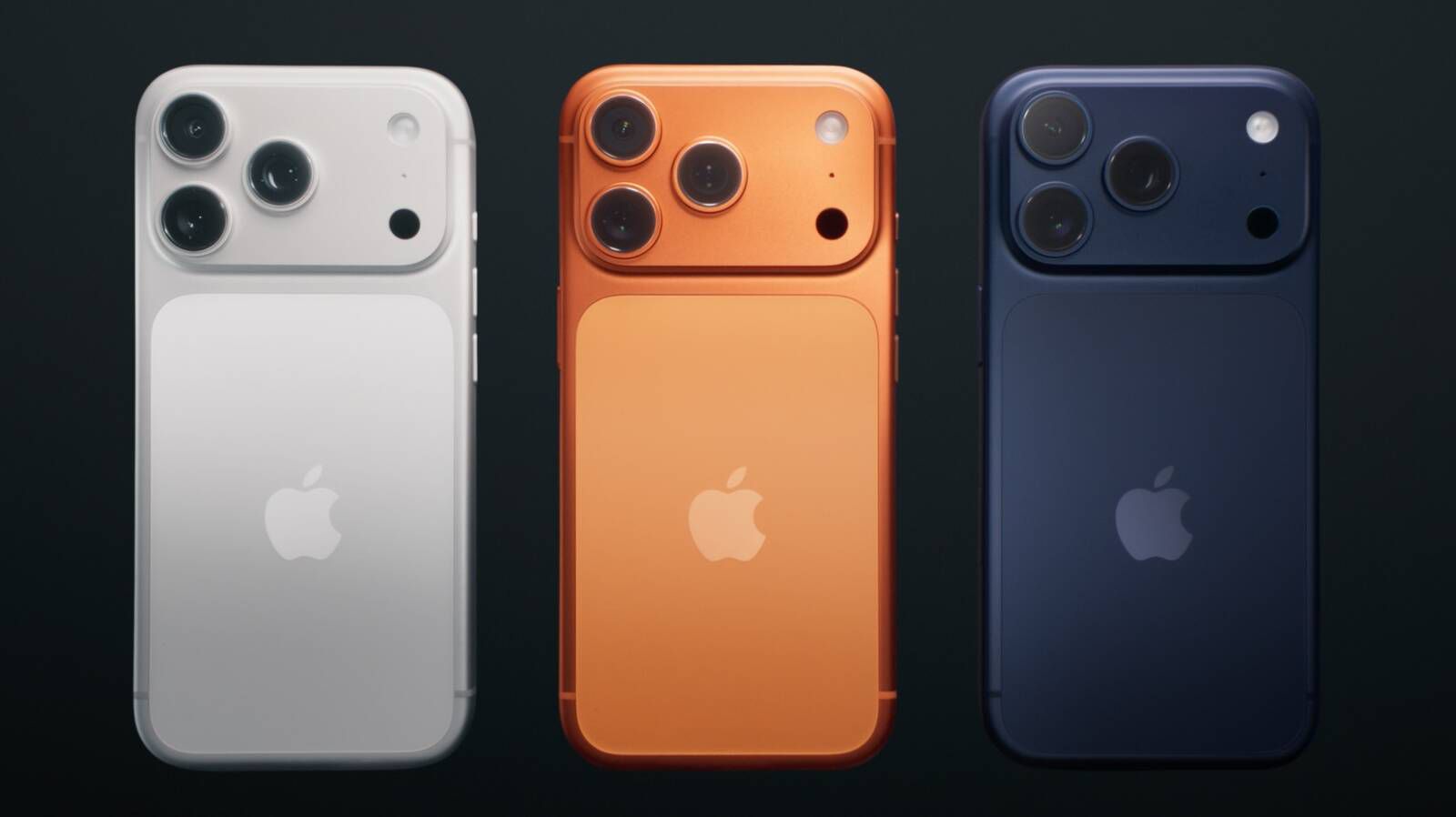
Apple CEO Tim Cook Affirms iPhone’s Central Role Despite Emerging Technologies
New York, NY – Apple CEO Tim Cook recently reiterated his confidence in the iPhone’s continued dominance as a central component of people’s digital lives, even as the company invests heavily in spatial computing and other emerging technologies. Speaking at an interview with Nikias Molina at New York’s Grand Central Terminal, Cook stated, “There’s so much left that You can do with the iPhone.” This sentiment comes as Apple approaches the 20th anniversary of the device’s launch and continues to report record-breaking revenue figures. The iPhone remains a cornerstone of Apple’s business, generating $85.2 billion in revenue last quarter, a new all-time high, which Cook described as “simply staggering.”
The iPhone’s enduring popularity is particularly noteworthy given Apple’s simultaneous push into new product categories. The company is actively developing augmented reality (AR) glasses, reportedly focusing on artificial intelligence integration, and an AI-powered wearable pendant without a screen, as reported by MacRumors. These ventures signal Apple’s ambition to expand beyond the smartphone, but Cook’s comments suggest the iPhone will remain at the heart of its ecosystem for the foreseeable future. This strategy reflects a broader trend in the tech industry, where companies are diversifying their product lines while simultaneously nurturing their core offerings.
Navigating a Shifting Tech Landscape
Cook’s remarks come at a pivotal moment for the consumer electronics industry. While smartphones have become ubiquitous, questions remain about their long-term sustainability. The rise of spatial computing, driven by devices like Apple’s Vision Pro, presents a potential paradigm shift in how people interact with technology. However, the high price point and nascent ecosystem of spatial computing devices suggest they are unlikely to replace smartphones anytime soon. The iPhone, with its established user base, robust app ecosystem, and continuous innovation, continues to hold a significant advantage.
Apple’s commitment to the iPhone is similarly evident in its manufacturing strategy. In February 2026, Tim Cook visited China, underscoring the company’s continued reliance on Chinese suppliers, as noted by the South China Morning Post. Despite ongoing efforts to diversify its supply chain, China remains a critical manufacturing hub for Apple, particularly for the iPhone. This reliance highlights the complex geopolitical factors influencing the tech industry and Apple’s strategic considerations.
Balancing Policy and Manufacturing
Cook’s recent statements also align with a broader trend of Apple prioritizing policy over politics, while simultaneously embracing a manufacturing push reminiscent of former President Trump’s “Made in America” initiatives. According to Fox Business, Cook has doubled down on this approach, emphasizing the importance of a stable policy environment for manufacturing and investment. This strategy reflects a pragmatic approach to navigating the complex interplay between political considerations and business objectives.
The iPhone’s success is not solely attributable to hardware innovation. Apple’s ecosystem, encompassing services like iCloud, Apple Music, and the App Store, plays a crucial role in retaining customers and generating recurring revenue. The company continues to invest heavily in these services, further solidifying its position in the digital landscape. Apple’s focus on privacy and security has become a key differentiator, appealing to consumers increasingly concerned about data protection.
Looking Ahead: The Next 20 Years
As the iPhone approaches its 20th anniversary, its future remains a subject of intense speculation. While the smartphone market is maturing, Apple continues to find ways to innovate and maintain its competitive edge. The integration of artificial intelligence (AI) is expected to be a major focus in the coming years, with Apple reportedly developing its own AI models and features. The company’s advancements in chip design, such as the M-series silicon, also provide a significant advantage in terms of performance and efficiency.
The ongoing development of AR/VR technologies also presents a significant opportunity for Apple. While the Vision Pro represents an early foray into this space, the company is likely to refine its approach and develop more accessible and affordable AR/VR devices in the future. These devices could potentially complement the iPhone, creating a more immersive and integrated digital experience.
Tim Cook’s confidence in the iPhone’s future is rooted in the device’s enduring appeal, Apple’s relentless innovation, and its ability to adapt to a rapidly changing technological landscape. While the future of computing may evolve beyond the smartphone, the iPhone is poised to remain a central hub for digital life for years to come. The company’s continued investment in both hardware and software, coupled with its strong brand loyalty, positions it well to navigate the challenges and opportunities that lie ahead.
Apple is scheduled to announce its next quarterly earnings on May 1, 2026, providing further insight into the iPhone’s performance and the company’s overall financial health. Investors and industry analysts will be closely watching these results to gauge the continued strength of the iPhone and Apple’s ability to maintain its position as a technology leader.
What are your thoughts on the future of the iPhone? Share your predictions and insights in the comments below.
Related reading