
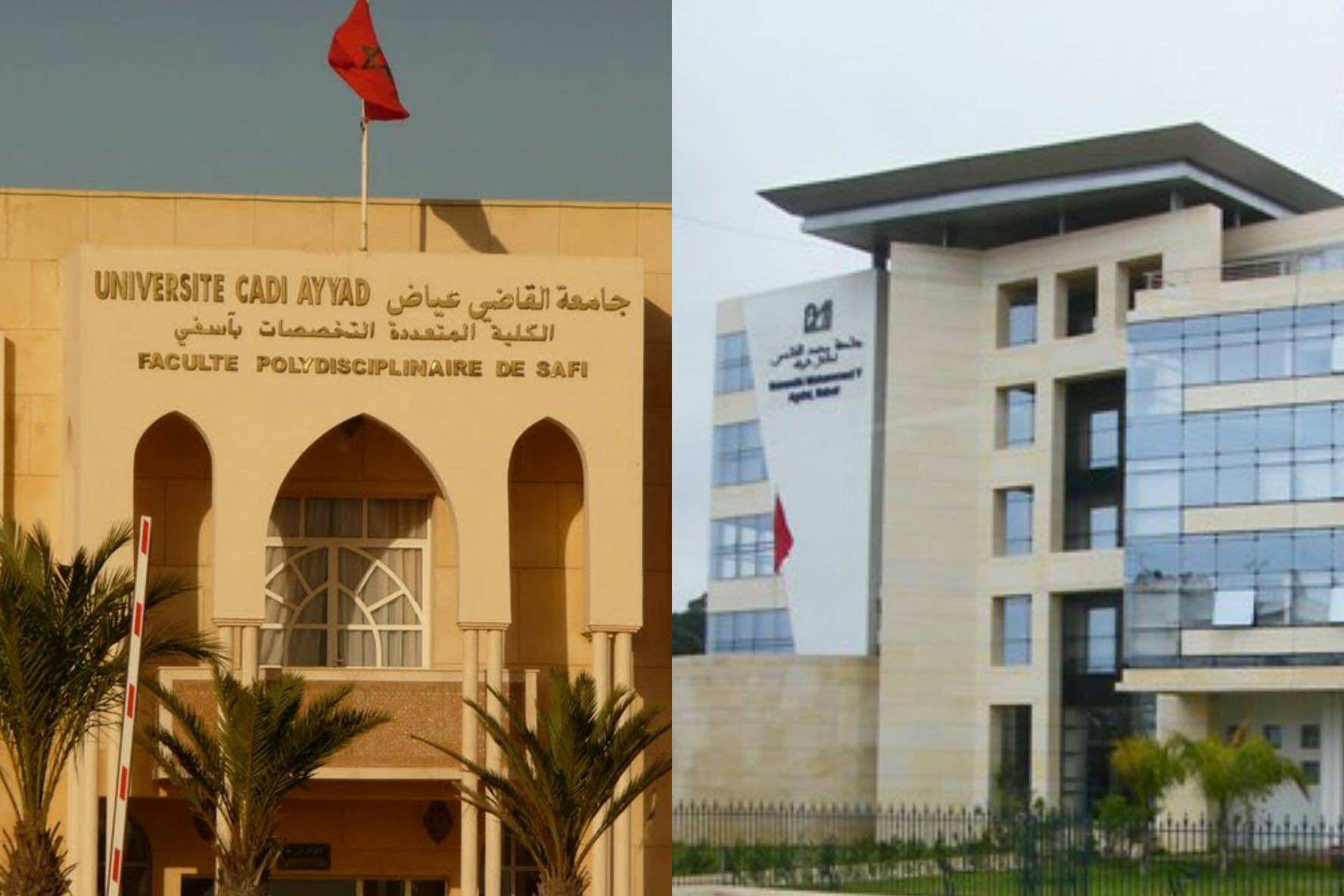
Moroccan higher education institutions have secured notable positions in the 2026 Times Higher Education (THE) Sustainability Impact Ratings, a global framework that evaluates universities against the United Nations’ 17 Sustainable Development Goals (SDGs). According to the newly released data, the Université Ibn Tofaïl has emerged as the top-ranked public university in Morocco, while the Université Abdelmalek Essaâdi has achieved the second position nationally.
The annual rankings, published by Times Higher Education, measure how universities address urgent global challenges such as climate change, gender equality, and poverty reduction. This year’s edition highlights a growing commitment among Moroccan academic institutions to integrate sustainable development into their research, teaching, and community outreach programs.
Understanding the THE Sustainability Impact Ratings
The Times Higher Education Sustainability Impact Ratings differ from traditional academic rankings, which often prioritize research citations and prestige. Instead, the methodology focuses on the “real-world” influence of universities. The 2026 assessment evaluated institutions based on their performance across a range of indicators, including environmental stewardship, social inclusion, and economic impact, as detailed in the official methodology documentation.
The ranking process involves rigorous data submission, where universities provide evidence of their sustainability initiatives. The resulting scores reflect not just the ambition of these institutions, but their capacity to execute projects that have measurable outcomes on campus and in the surrounding regions.
The Université Ibn Tofaïl’s rise to the lead among public institutions marks a significant milestone for the university. Its performance in the 2026 ratings underscores a concerted effort to scale its impact beyond the classroom.
Similarly, the Université Abdelmalek Essaâdi has solidified its reputation by securing the second spot nationally. These rankings are reflective of a broader trend observed across the MENA region, where public universities are increasingly prioritizing the UN’s development agenda as a core pillar of their long-term strategic planning.
A Global Perspective on Sustainability in Higher Education
The 2026 rankings are not limited to the Maghreb region; they highlight a global shift in higher education priorities. For instance, data indicates that a record number of universities in Vietnam have also received recognition for their sustainability efforts, as reported by Le Courrier du Vietnam. This global participation demonstrates that the competition to lead in sustainable innovation is intensifying.
For stakeholders in Morocco, the rankings provide a clear signal of where the country stands in the international academic landscape. The focus on sustainability is expected to influence future funding allocations, international research collaborations, and student mobility programs. As universities continue to compete for top spots in these rankings, the emphasis on transparent reporting and verifiable impact will likely remain a critical factor for institutional success.
Next Steps for Moroccan Academic Institutions
The next cycle of the Times Higher Education Sustainability Impact Ratings is expected to commence in the coming months, with institutions beginning their data collection processes for the 2027 assessment. Universities will likely focus on improving their scores in areas where they identified gaps during the 2026 evaluation, particularly regarding carbon footprint reduction and the expansion of social inclusion initiatives.
Academic leaders and policymakers are expected to review these results to refine the national strategy for higher education, ensuring that Morocco remains competitive on the global stage. Readers interested in the specific performance metrics of individual institutions can access the full breakdown of scores through the official Times Higher Education portal.