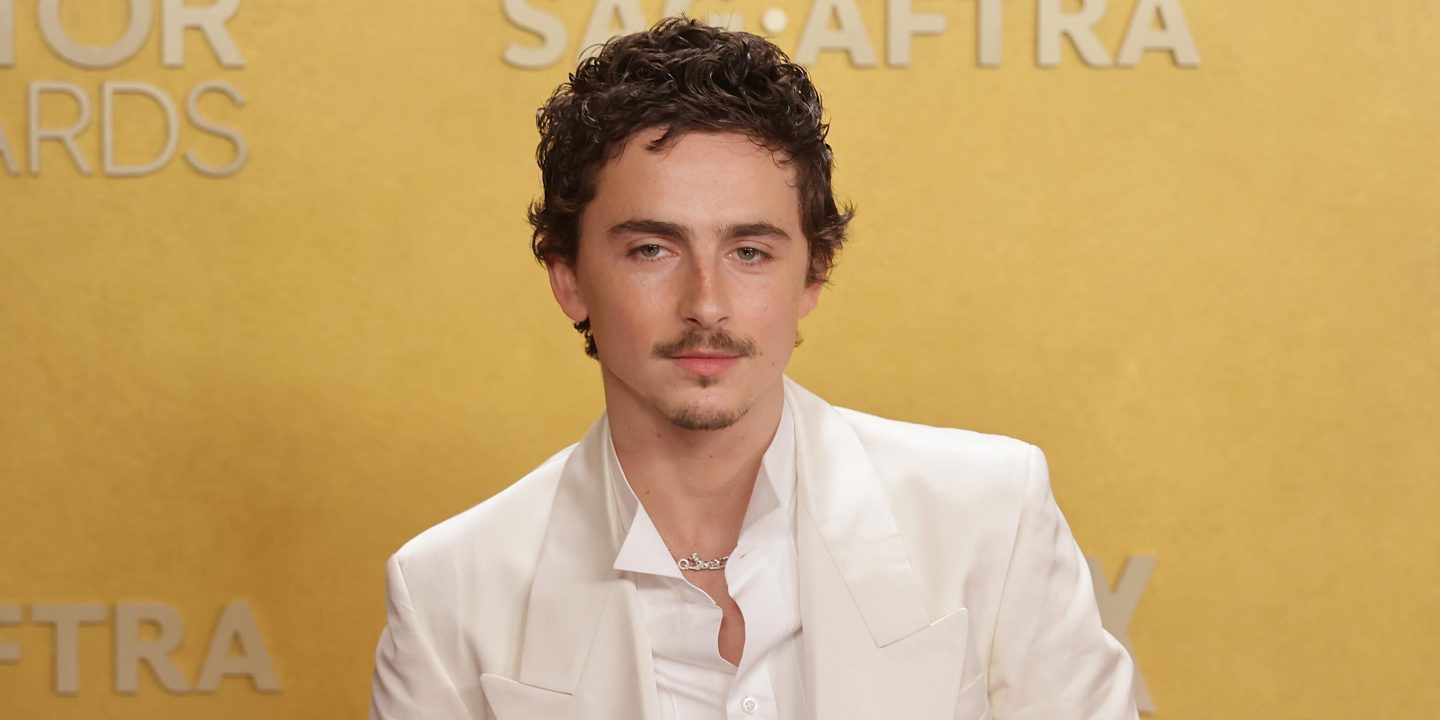
German Minister Extends Opera Invitation to Timothée Chalamet Following Criticisms
A playful diplomatic overture has emerged from Germany following recent comments by actor Timothée Chalamet regarding opera and ballet. German Minister of State for Culture and Media, Wolfram Weimer, has publicly invited the acclaimed actor to experience an opera performance in Germany, hoping to change his perspective. The invitation comes after Chalamet expressed a lack of interest in these art forms, sparking a debate about their relevance in contemporary culture. The exchange highlights the ongoing efforts to engage younger audiences with classical arts and the power of celebrity influence in shaping public perception.
Chalamet’s remarks, made during a conversation with actor Matthew McConaughey, suggested a skepticism towards maintaining artistic traditions that he believes lack widespread appeal. He stated he wasn’t interested in working in areas like ballet or opera – “things that you’re sort of keeping alive because they’re… they’re art,” according to reports. These comments drew a mixed reaction, with some expressing agreement and others defending the enduring value of opera and ballet. The Bavarian State Opera was among the institutions responding, reportedly with a blend of humor and critique.
A Nation Proud of its Performing Arts
Minister Weimer responded to Chalamet’s comments with an invitation designed to offer a firsthand experience. “Anyone who hasn’t experienced ballet or opera up close and live can also be wrong,” Weimer told the Rheinische Post newspaper. He emphasized Germany’s prominent position in the world of orchestral music, opera houses and dance ensembles, asserting that the country is “quasi world market leader” in these fields. Weimer extended a “heartfelt invitation” for Chalamet to visit a German concert hall or music theater during his next trip, to speak with the artists, and observe their work. “Then Mr. Chalamet will immediately feel the magic of opera and the beauty of dance. After that, you can only say: It was really awesome,” Weimer added.
Germany boasts a rich tradition of classical music and performing arts, with numerous internationally renowned opera houses and orchestras. The Berlin State Opera, the Deutsche Oper Berlin, and the Hamburg State Opera are just a few examples of institutions that contribute to the country’s cultural landscape. The German Federal Government actively supports these institutions, recognizing their importance to national identity and cultural tourism.
Chalamet’s Current Projects and the Origin of the Debate
The conversation that sparked this exchange took place during a nearly 90-minute discussion between Chalamet and McConaughey, focusing on the future of the film industry and audience engagement. Chalamet is currently nominated for a Best Actor award for his role as an ambitious table tennis player in the film Marty Supreme. The film has garnered critical acclaim for its unique blend of sports drama and character study. The nomination places him among the leading contenders at upcoming awards ceremonies.
While the initial comments centered on Chalamet’s personal preferences, they quickly resonated with broader discussions about the accessibility and relevance of classical arts in the 21st century. Some argue that these art forms struggle to attract younger audiences, requiring ongoing efforts to innovate and engage with latest demographics. Others maintain that their intrinsic artistic value transcends generational trends and that continued support is essential for preserving cultural heritage.
Reactions from the Opera World
The response from the opera world has been largely good-natured, with many institutions embracing the opportunity to engage in a dialogue with Chalamet. The Bavarian State Opera, as mentioned, responded with a mix of amusement and challenge. Other opera houses have used the controversy as a platform to highlight their accessibility initiatives and showcase the vibrancy of contemporary opera productions. The Bavarian State Opera, for example, offers a range of programs designed to introduce opera to new audiences, including guided tours, workshops, and discounted tickets for young people.
The incident also raises questions about the role of celebrity endorsements in promoting cultural institutions. While Chalamet’s initial comments were critical, his potential embrace of opera could generate significant public interest and attract a new wave of attendees. This highlights the power of celebrity influence in shaping cultural trends and the importance of engaging with public figures in a constructive manner.
The Broader Context: Arts Funding and Accessibility
The debate surrounding Chalamet’s comments also touches upon the broader issue of arts funding and accessibility. In many countries, including Germany, government support plays a crucial role in sustaining opera houses, ballet companies, and orchestras. Yet, funding levels are often subject to political debate and economic pressures. Ensuring that these institutions remain accessible to diverse audiences is a key challenge for cultural policymakers.
Germany’s commitment to the arts is reflected in its robust system of cultural funding. The federal government, along with state and local authorities, provides significant financial support to a wide range of cultural organizations. This support is intended to preserve cultural heritage, promote artistic innovation, and ensure that the arts are accessible to all citizens. The country’s cultural landscape is further enriched by a strong tradition of private philanthropy and corporate sponsorship.
The invitation extended by Minister Weimer represents a strategic attempt to bridge the gap between a prominent cultural figure and the world of opera. Whether Chalamet will accept the invitation remains to be seen, but the exchange has already sparked a valuable conversation about the role of the arts in contemporary society and the importance of engaging with new audiences. The outcome could potentially influence perceptions and encourage greater appreciation for these enduring art forms.
As of March 8, 2026, there has been no public response from Timothée Chalamet regarding Minister Weimer’s invitation. Further developments are expected as Chalamet’s schedule allows, and the cultural community awaits his potential engagement with the German opera scene. The story continues to unfold, offering a fascinating glimpse into the intersection of celebrity, culture, and diplomacy.
What are your thoughts on the role of celebrities in promoting the arts? Share your opinions in the comments below.
Keep reading