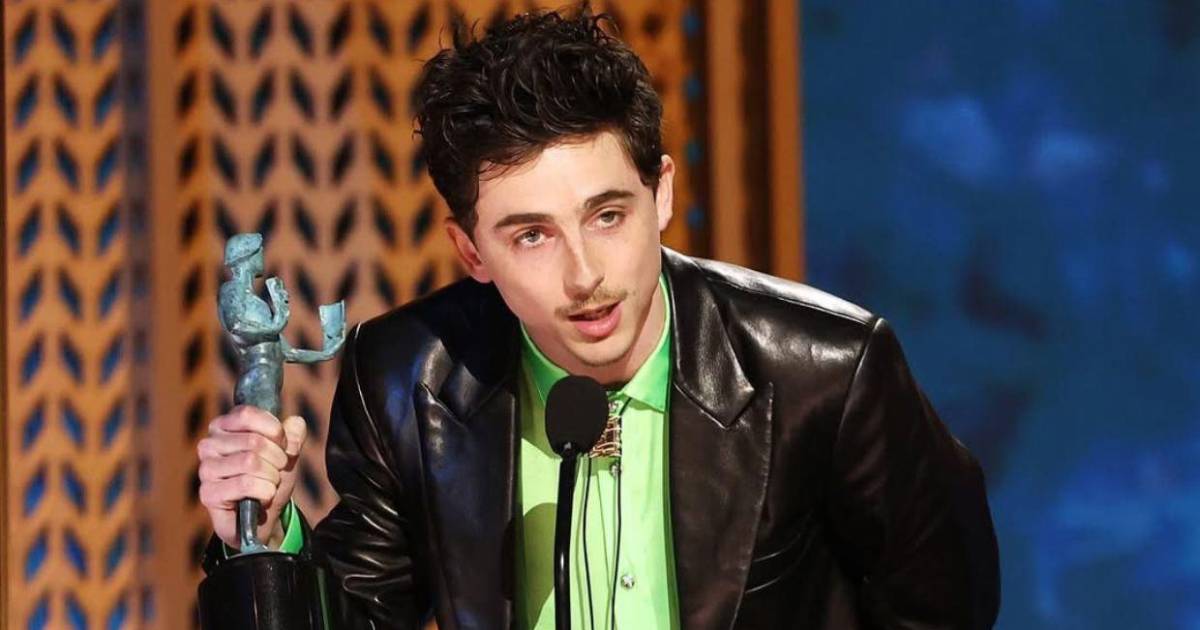
Timothée Chalamet’s Comments on Opera and Ballet Spark Backlash from Arts Institutions
Los Angeles, USA – As the anticipation builds for the upcoming Academy Awards, a different kind of drama is unfolding, ignited by comments made by actor Timothée Chalamet regarding opera and ballet. The 28-year-old’s remarks, made during a conversation with Matthew McConaughey as part of the Variety & CNN Town Hall series, have drawn swift and pointed responses from some of the world’s most prestigious cultural institutions, sparking a debate about the value and accessibility of the performing arts. Chalamet, nominated for his role in “Wonka,” suggested a preference for cinematic experiences that resonate with broader audiences, inadvertently casting a shadow over the enduring appeal of classical performance.
The controversy began when Chalamet expressed a sentiment that some viewers are seeking “fast entertainment,” contrasting it with the perceived demands of engaging with opera or ballet. He stated he wouldn’t want to work on projects that felt like they needed constant justification for their existence, even even as acknowledging his admiration for those who champion these art forms. This perspective, delivered in the context of declining cinema attendance, has been interpreted by many in the arts community as dismissive and out of touch. The ensuing reaction highlights a growing tension between the desire for accessible entertainment and the preservation of established cultural traditions.
The Royal Opera House in London was among the first to respond, issuing a direct invitation to Chalamet to reconsider his views. “Each night, at the Royal Opera House, thousands of people come to experience ballet and opera. For the music. For the stories. For the pure magic of live performance. If you’d like to reconsider, we have the doors open,” the theatre posted on X (formerly Twitter), a statement that quickly went viral. This initial response set the tone for a wider chorus of criticism from across the globe, demonstrating the passionate defense of these art forms.
A Global Response to Chalamet’s Remarks
The Royal Opera House’s response wasn’t an isolated incident. Numerous opera houses and ballet companies worldwide have weighed in, expressing disappointment and challenging Chalamet’s assertions. The Royal Ballet and Opera of London asserted that the arts are not only alive but thriving, noting that over 200,000 people attended their performances.
The Opéra de Paris joined the conversation on Instagram, posting a video of Chalamet’s comments alongside an image from their production of John Adams’ “Nixon in China,” featuring a ping-pong scene – a playful nod to the actor’s profession and the context of his remarks. The caption read, “Ping-pong also exists in opera @tchalamet.” Similarly, Teatro Real in Madrid emphasized the strong public interest in opera, while La Scala in Milan offered a blunt retort: “Someone cares. And if you visit, maybe you will too.” The Vienna State Opera extended a personal invitation to Chalamet, stating, “@tchalamet, consider this your personal invitation to Vienna. Our stage awaits you.”
The responses weren’t limited to formal statements. The Opera de Seattle cleverly offered a “TIMOTHÉE” promotional code for a 14% discount on tickets to their production of “Carmen,” injecting humor into the debate. Spanish actress Karla Sofía Gascón, who faced her own pre-Oscar controversy last year, created a photomontage referencing the situation, further amplifying the discussion. Gascón’s previous controversy stemmed from racist tweets, which ultimately impacted her Oscar prospects for her role in “Emilia Pérez,” as reported by various news outlets.
Beyond the Backlash: A Broader Conversation About the Arts
While Chalamet’s comments have drawn criticism, they also inadvertently sparked a broader conversation about the accessibility and relevance of opera and ballet in contemporary society. The actor’s suggestion that some audiences prioritize “fast entertainment” reflects a broader trend towards easily digestible content in the digital age. This raises questions about how arts organizations can attract new audiences and ensure the continued vitality of these traditional art forms. The debate touches upon the role of art in society, the importance of cultural preservation, and the challenges of maintaining relevance in a rapidly changing world.
Jamie Lee Curtis, a prominent actress herself, voiced her disapproval on X, questioning why artists would disparage other artists. Her statement underscored the sense of solidarity within the performing arts community and the importance of mutual respect. The responses from various institutions demonstrate a collective commitment to defending the value of opera and ballet, not just as artistic expressions but as vital components of cultural heritage.
The timing of this controversy is particularly noteworthy, occurring just days before the 96th Academy Awards. While Chalamet is nominated for Best Actor for his performance in “Wonka,” the voting for the awards closed on March 5, 2024, meaning the controversy is unlikely to directly impact his chances of winning. Still, the incident has undoubtedly generated significant media attention and may influence public perception of the actor.
The Future of the Debate and the Arts
The swift and widespread response to Chalamet’s comments underscores the passion and dedication of the opera and ballet communities. The debate is likely to continue, prompting further discussion about the role of the arts in the 21st century. Arts organizations are increasingly exploring innovative strategies to engage new audiences, including digital initiatives, community outreach programs, and collaborations with contemporary artists. The challenge lies in balancing the demand to preserve artistic integrity with the desire to broaden accessibility and appeal.
The incident also highlights the power of social media in shaping public discourse and amplifying voices within the arts community. The rapid dissemination of responses from opera houses and ballet companies around the world demonstrates the interconnectedness of the global arts scene and the ability of artists and institutions to mobilize in response to perceived challenges. This digital activism underscores the importance of online platforms in advocating for the arts and fostering a wider appreciation for cultural expression.
the controversy surrounding Timothée Chalamet’s comments serves as a reminder of the enduring value of opera and ballet, and the importance of continued support for the performing arts. As institutions continue to adapt and innovate, they will undoubtedly seek to engage new audiences while preserving the rich traditions that have defined these art forms for centuries. The conversation sparked by Chalamet’s remarks is a valuable opportunity to reaffirm the significance of the arts in a world increasingly dominated by fleeting trends and instant gratification.
Looking ahead, the focus will shift back to the Academy Awards this Sunday, but the echoes of this debate will likely linger. The ongoing dialogue about the arts and their place in society is a testament to their enduring power and relevance.
What are your thoughts on the role of the arts in contemporary society? Share your opinions in the comments below, and don’t forget to share this article with your friends and colleagues.
Worth a look
- Massive Pokémon Card Scam in Taiwan: Shop Vanishes with $10 Million Worth of Cards
- Dining at the Movies: Review of the Restaurant and Bar at B&B Theatres Athens 12
- Yordan Álvarez Joins Elite Group of Cuban MLB Players with Second Player of the Month Award (archynewsy.com)
- BP Q2 Profit Hits $5.7 Billion Amid Trump Criticism of Big Oil Windfalls (time.news)