The current state of the European Union is increasingly viewed through a lens of fragility and decline by some of the continent’s most provocative intellectuals. Among these voices is Giulio Meotti, an Italian journalist whose work frequently intersects the complex dynamics of Middle Eastern politics, Jewish identity, and the perceived erosion of Western values. Through his writings, Meotti presents a stark vision of a continent in crisis, suggesting that the structures governing Europe may be heading toward an inevitable collapse.
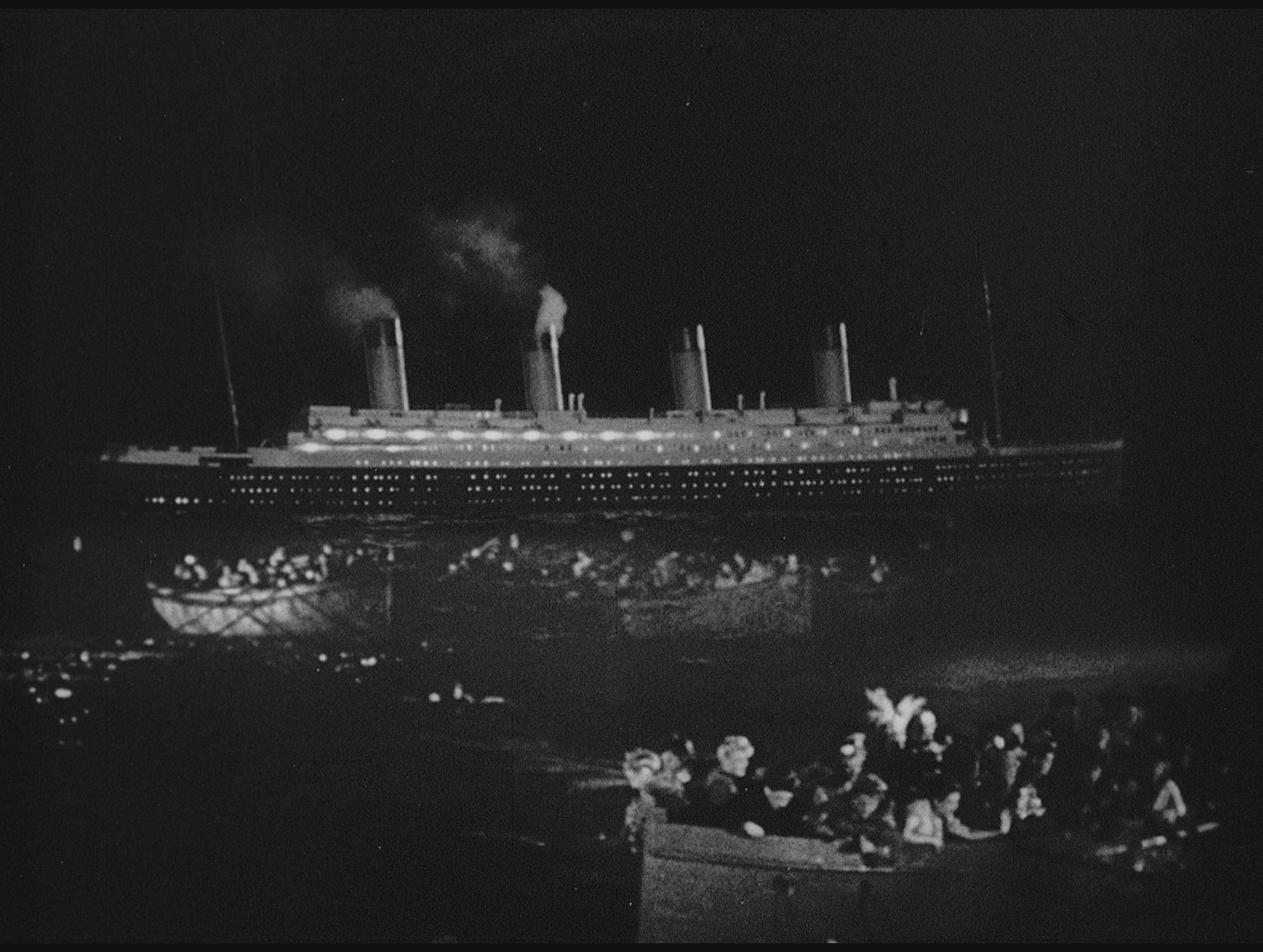
Central to this critique is the concept of Titanic Europa and the decline of the European Union, a theme that characterizes the EU not as a stable political entity, but as a grand vessel drifting toward a mysterious end. Meotti’s analysis suggests that this trajectory is not merely a result of policy failures, but a deeper, systemic failure of will and identity. By examining the intersection of sovereignty and cultural confidence, Meotti argues that Europe has lost its way in an increasingly volatile global landscape.
As an editor covering global affairs, I have observed that Meotti’s perspective is deeply rooted in his background in philosophy and his extensive reporting on the geopolitical tensions of the Middle East. His assertions regarding the “mysterious end” of the Union reflect a broader ideological struggle within Europe: the tension between a supranational identity and the resurgence of national sovereignty. For Meotti, the current path of the European Union is unsustainable, driven by what he describes as a loss of reciprocity and a failure to defend Western civilization from internal and external pressures.
The Architecture of Civilizational Decay
In recent contributions, including a March 31, 2026, publication on his Substack, Meotti has expanded his critique from political structures to the psychological state of the West. He posits that the destruction of a civilization occurs from within, primarily through the mechanisms of demoralization and self-hatred Giulio Meotti Substack. According to Meotti, the preservation of Western culture—which he credits to ancestors who saved Greek and Latin classics during barbarian invasions—is now under threat by modern leadership that minimizes the historical significance of these foundations.

Meotti argues that this internal demoralization manifests as a lack of historical consciousness. He suggests that when a society begins to view its own heritage with indifference or hostility, it becomes vulnerable to collapse. This “self-hatred” is, in his view, a prerequisite for the decline of the European project, leaving the continent unable to define itself or defend its values against competing ideologies.
Geopolitical Vulnerability and the Loss of Sovereignty
A recurring theme in Meotti’s work is the perceived cowardice of European leadership in the face of global threats. Writing for Israel National News (Arutz Sheva), Meotti has asserted that Europeans have lost their sense of sovereignty and reciprocity. He contends that the West is increasingly reliant on the United States and Israel for its defense, while European public opinion remains apathetic toward what he terms “Islamic totalitarianism.”
Meotti’s critique extends to specific European nations, highlighting France as an example of a state where resistance to totalitarian influences is not sufficiently supported by the public. He warns that the current wave of hatred directed toward Israel and the West will not be limited to Jewish populations, suggesting that Christians will eventually develop into targets of the same Islamist ideologies Giulio Meotti Column. This geopolitical outlook frames the European Union not as a power player, but as a decadent entity defended by others while it fails to save itself “from ourselves.”
From Jewish Identity to European Critique
To understand Meotti’s views on the European Union, his career as a journalist specializing in Jewish and Middle Eastern issues. Meotti is a strong advocate for Israel and has been sharply critical of those who oppose its actions, including Jewish critics of the state. In his 2014 book, Jews against Israel, he accused various Jewish intellectuals and public figures of “intellectual treason” and “Jewish anti-Semitism” Giulio Meotti Wikipedia.
This uncompromising approach to identity and loyalty informs his view of Europe. Meotti sees a parallel between the struggle for Israel’s survival and the struggle for Europe’s cultural survival. His academic background, including a PhD in philosophy from the University of Florence focused on George Steiner, provides the theoretical framework for his arguments regarding the “pathology” of self-hatred and the necessity of cultural fortitude.
His literary contributions, such as A Novel Shoah and J’Accuse: the Vatican Against Israel, further illustrate his commitment to documenting what he perceives as the persecution of the Jewish people and the failures of religious and political institutions to provide adequate protection. These works mirror his broader critique of the European Union: a belief that institutions meant to provide stability and moral leadership have instead become complicit in a broader civilizational decline.
Key Perspectives on European Decline
| Focus Area | Meotti’s Primary Argument | Perceived Outcome |
|---|---|---|
| Cultural Identity | Demoralization and self-hatred toward Western heritage. | Internal collapse of civilization. |
| EU Sovereignty | Loss of reciprocity and independent willpower. | The “mysterious end” of the Union (Titanic Europa). |
| Geopolitics | Over-reliance on US and Israeli defense. | Decadence and vulnerability to totalitarianism. |
| Institutional Role | Failure of the Vatican and EU to oppose anti-Semitism/totalitarianism. | Moral and political bankruptcy. |
The Implications of the ‘Titanic’ Metaphor
The comparison of the European Union to the Titanic is more than a simple metaphor for failure; it suggests a combination of hubris, ignored warnings, and an inevitable collision with reality. In Meotti’s view, the “mysterious end” of the Union is not a sudden event but a gradual sinking caused by the erosion of the values that originally built the West. By ignoring the “gong of danger,” Meotti argues that Europe is failing to recognize the urgency of its own survival.
This perspective places Meotti in a broader tradition of European critics who believe that the supranational project of the EU has stripped member states of the agency required to face modern challenges. Whether discussing the plight of Uyghurs in China or the massacre of protestors in Iran, Meotti points to a perceived Western hypocrisy—where the West focuses on Israel while remaining silent on other “travesties” Giulio Meotti Opinion. This inconsistency, he argues, is a symptom of the very demoralization that threatens the continent.
For the global reader, Meotti’s work serves as a window into the deep-seated anxieties currently permeating certain sectors of Italian and European intellectual life. His writing reflects a belief that the only way to avoid the “Titanic” fate is through a rediscovery of cultural pride, a restoration of national sovereignty, and a firm stand against totalitarian ideologies.
As the European Union continues to navigate internal political shifts and external geopolitical pressures, the questions raised by Meotti regarding the sustainability of the current order remain central to the debate over Europe’s future. The next critical checkpoints for the Union will be the upcoming shifts in member state leadership and the evolving security frameworks within the North Atlantic Treaty Organization (NATO), which will determine if Europe can regain the sovereignty Meotti believes it has lost.
We invite our readers to share their perspectives on the future of European sovereignty and the role of cultural identity in modern geopolitics in the comments section below.