## Titan‘s Unexpected Chemistry: How Mixing Fuels Stability on Saturn’s Moon
For decades, scientists have been puzzled by the strange chemical mixtures observed on Titan, Saturn’s largest moon. Recent research, however, is shedding light on these anomalies, revealing a surprising stability in combinations previously thought impossible. This finding not only deepens our understanding of Titan’s unique surroundings but also offers clues about the potential for prebiotic chemistry in extremely cold conditions.### the Puzzle of Titan’s surface
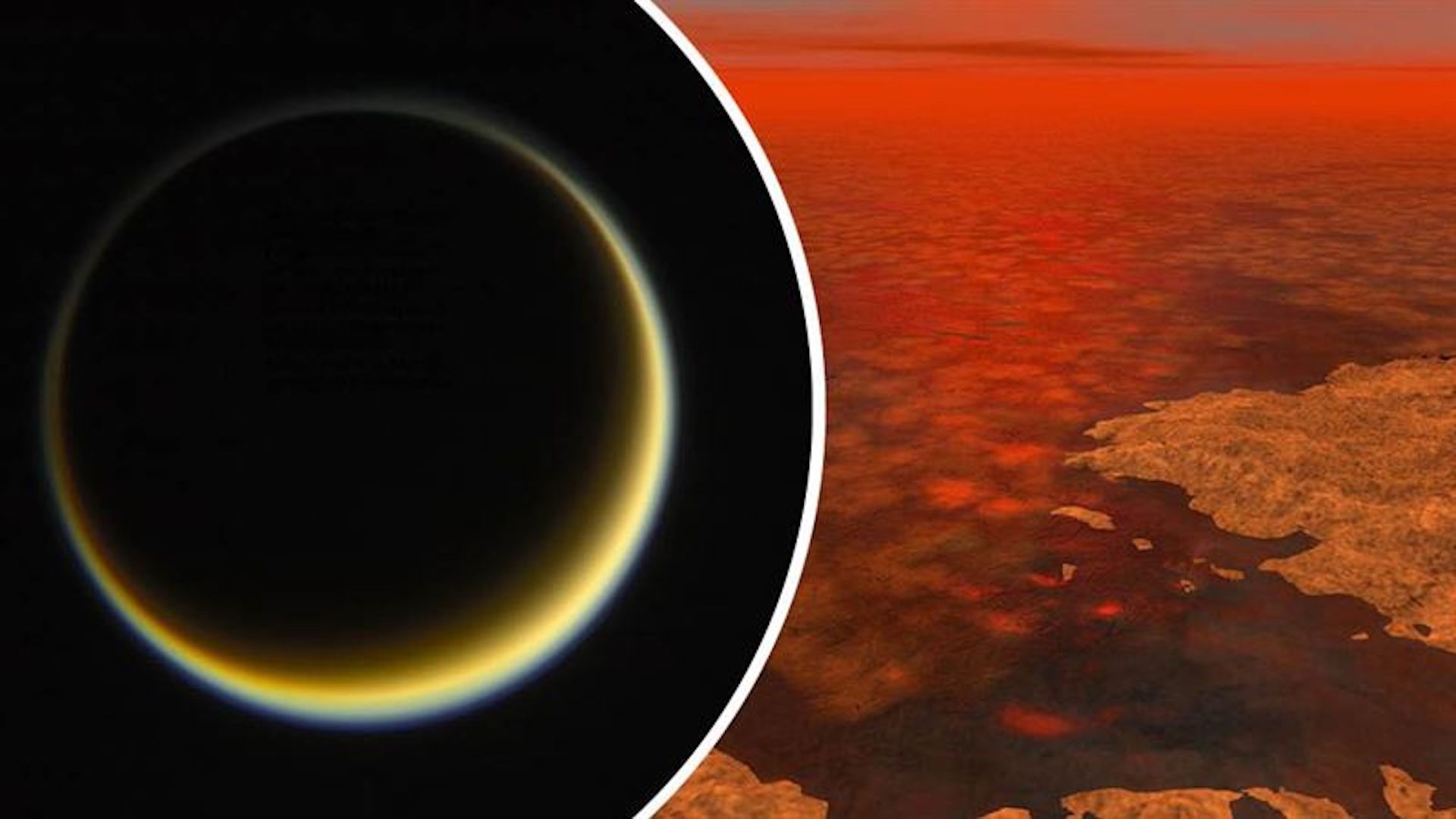
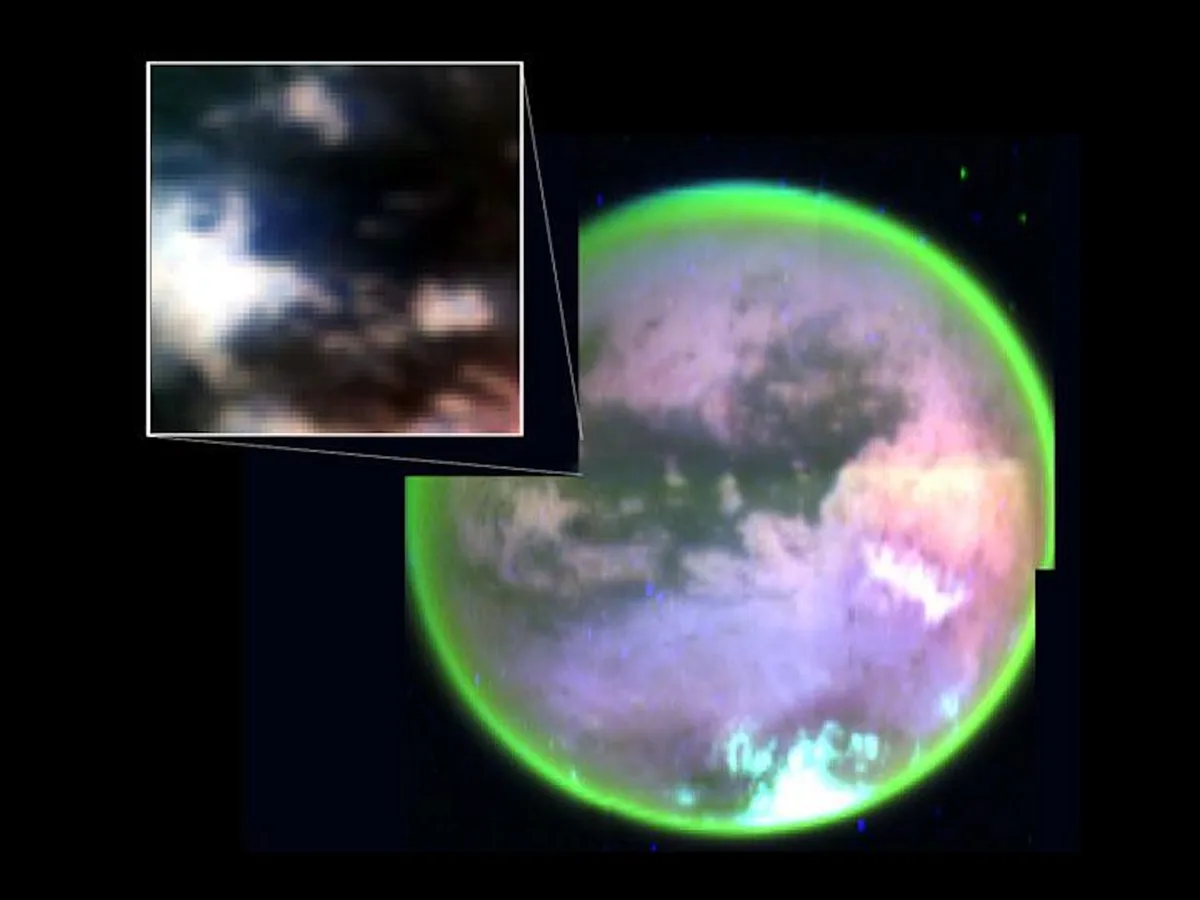
Titan boasts a dense atmosphere and surface lakes and rivers – but instead of water, they’re composed of liquid hydrocarbons like methane and ethane. Observations from the Cassini-Huygens probe in 2004 revealed an unexpected complexity in the solids found on Titan’s surface. Specifically, mixtures of molecules like hydrogen cyanide (HCN) and acetonitrile (C2H3N) were behaving in ways that defied conventional chemical understanding.
Traditionally, polar and nonpolar molecules don’t mix well. Think of oil and water – they seperate into distinct layers. Yet, on Titan, these compounds were forming stable, co-crystals.This raised a critical question: what was holding these mixtures together?
### Unraveling the Mystery: Modeling Stability
To address this, a team of researchers from NASA and Chalmers University of Technology embarked on a comprehensive modeling effort.They meticulously simulated hundreds of potential co-crystal structures, focusing on their stability under Titan’s frigid temperatures – around -179 degrees Celsius (-290 degrees Fahrenheit).
Their calculations revealed a remarkable finding. Not only were these unexpected mixtures stable, but the predicted light spectra closely matched the data collected by the Cassini-Huygens probe. This suggests a strengthening of intermolecular forces within the solid hydrogen cyanide when mixed with other compounds.
### How Mixing Enhances Stability
Essentially, the mixing process appears to be boosting the attractive forces between molecules. This stabilization is crucial as, without it, these compounds would
Keep reading