
The Earth’s geological history is marked by extreme volcanic events, with Lake Toba in Indonesia and the Tamu Massif in the Pacific Ocean representing two of the most significant features identified by researchers. Lake Toba is the site of a massive supervolcanic eruption that occurred approximately 74,000 years ago, while the Tamu Massif is recognized by geologists as one of the largest single volcanoes on the planet, hidden beneath the waves of the northwest Pacific. Both formations offer critical insights into the intensity of terrestrial and submarine volcanism.
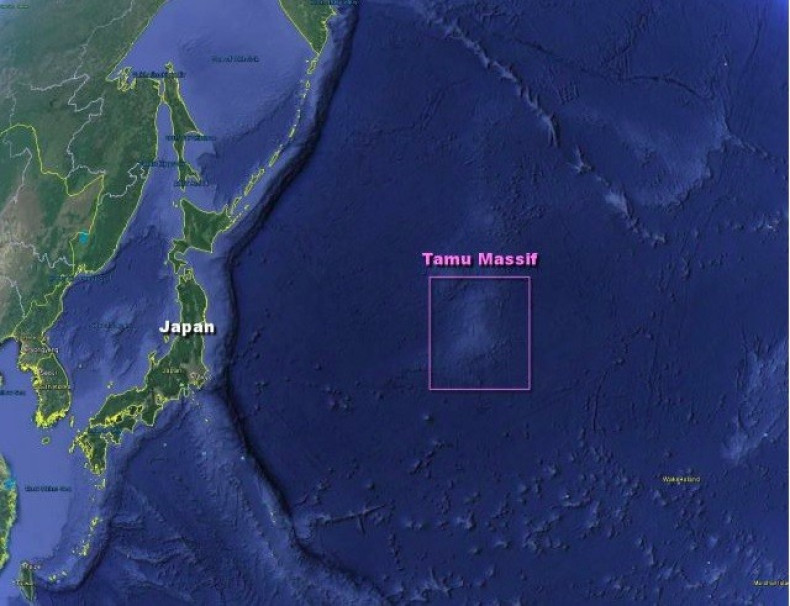
According to research published by the National Academy of Sciences, the Tamu Massif covers an area of approximately 310,000 square kilometers, a size comparable to the British Isles. Located about 1,600 kilometers east of Japan, this massive shield volcano sits on the Shatsky Rise and was once thought to be a collection of smaller volcanoes. However, geophysical analysis confirmed its status as a single, massive volcanic structure formed during the Early Cretaceous period, roughly 145 million years ago.
Understanding the Scale of the Toba Supervolcano
In contrast to the submerged shield volcano of the Pacific, Indonesia’s Lake Toba is the caldera of a supervolcano that produced one of the largest known eruptions in the last 2.5 million years. Geologists at the United States Geological Survey (USGS) classify Toba as a rhyolitic supervolcano. The eruption, which took place in the Sumatra region, is estimated to have ejected 2,800 cubic kilometers of magma, ash, and rock into the atmosphere.
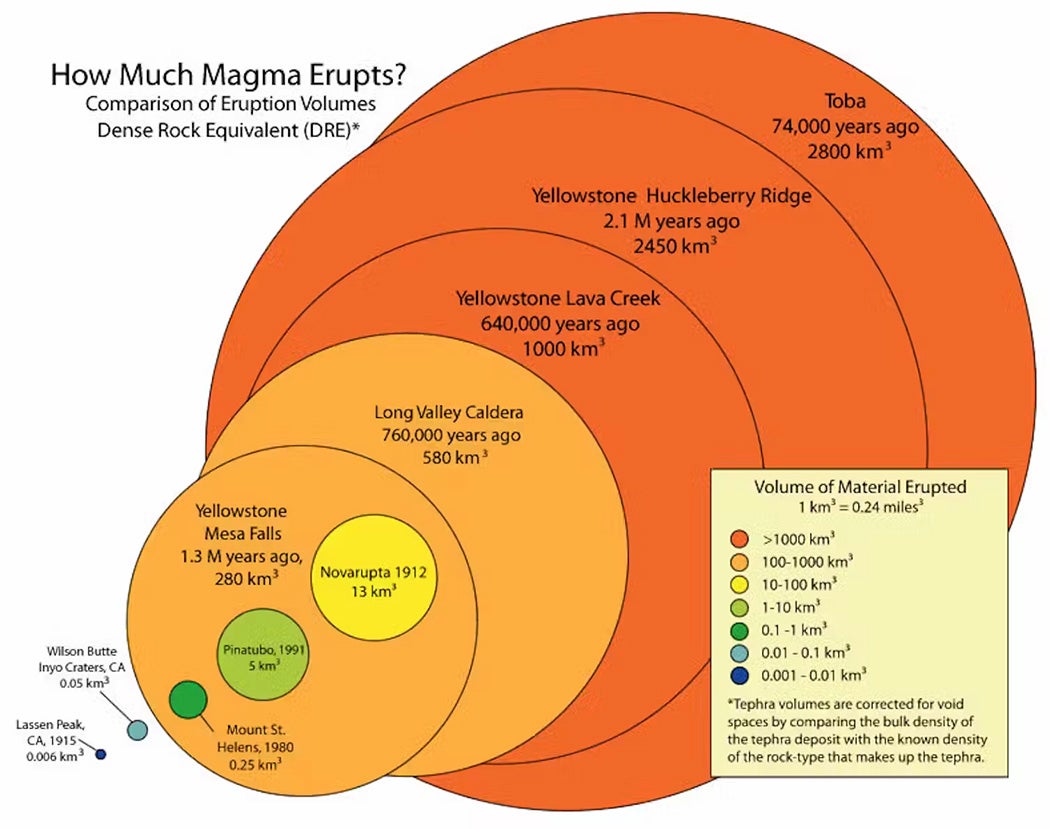
The environmental impact of the Toba eruption remains a subject of intense scientific study. Research published in the journal Nature Communications suggests that the event led to significant global climate cooling, though the duration and severity of the resulting “volcanic winter” are still debated among researchers. The Toba caldera now holds a massive lake, which serves as a landmark for understanding the cycle of supervolcanic activity in the Sunda Arc.
Comparing Submarine and Terrestrial Volcanic Features
While both Tamu Massif and Toba are classified as massive volcanic systems, their formation processes differ significantly. Tamu Massif is a shield volcano, characterized by broad, low-profile slopes created by the eruption of fluid basaltic lava. Its formation is linked to the mid-ocean ridge environment, where tectonic plates diverge, allowing vast quantities of magma to reach the seafloor over millions of years.
Conversely, Lake Toba is a caldera formed by a cataclysmic, explosive event. The collapse of the magma chamber following the massive eruption created the depression that is now filled by the lake. While Tamu Massif grew steadily over a long duration, Toba represents a high-intensity, short-duration event that fundamentally altered the regional landscape and global atmospheric conditions.
| Feature | Location | Primary Type | Estimated Age |
|---|---|---|---|
| Tamu Massif | Northwest Pacific Ocean | Shield Volcano | ~145 Million Years |
| Lake Toba | Sumatra, Indonesia | Caldera (Supervolcano) | ~74,000 Years |
Geological Significance and Ongoing Research
The study of these volcanoes provides essential data on how the Earth dissipates internal heat. The National Oceanic and Atmospheric Administration (NOAA) continues to map the seafloor to better understand the formation of large igneous provinces like the Tamu Massif. By analyzing the magnetic anomalies and crustal thickness of these regions, scientists can reconstruct the tectonic history of the Pacific plate.
For Lake Toba, ongoing geological monitoring is conducted by Indonesian authorities, including the Center for Volcanology and Geological Hazard Mitigation (PVMBG). While there is no immediate indication of a repeat of the 74,000-year-old event, the site remains one of the most closely watched volcanic systems in the world due to its potential for large-scale impact. Understanding the chemical composition of the magma and the depth of the current chamber remains a priority for researchers studying the long-term evolution of the Sumatra subduction zone.
As research continues, experts emphasize that these geological features are not static. Whether it is the slow tectonic movement beneath the Pacific or the hydrothermal activity in the Indonesian caldera, these systems are active parts of the Earth’s crust. Further updates regarding volcanic monitoring in Indonesia can be found through the official reports issued by the PVMBG. Readers interested in the latest developments in marine geology are encouraged to follow updates from international oceanographic institutes.
Keep reading