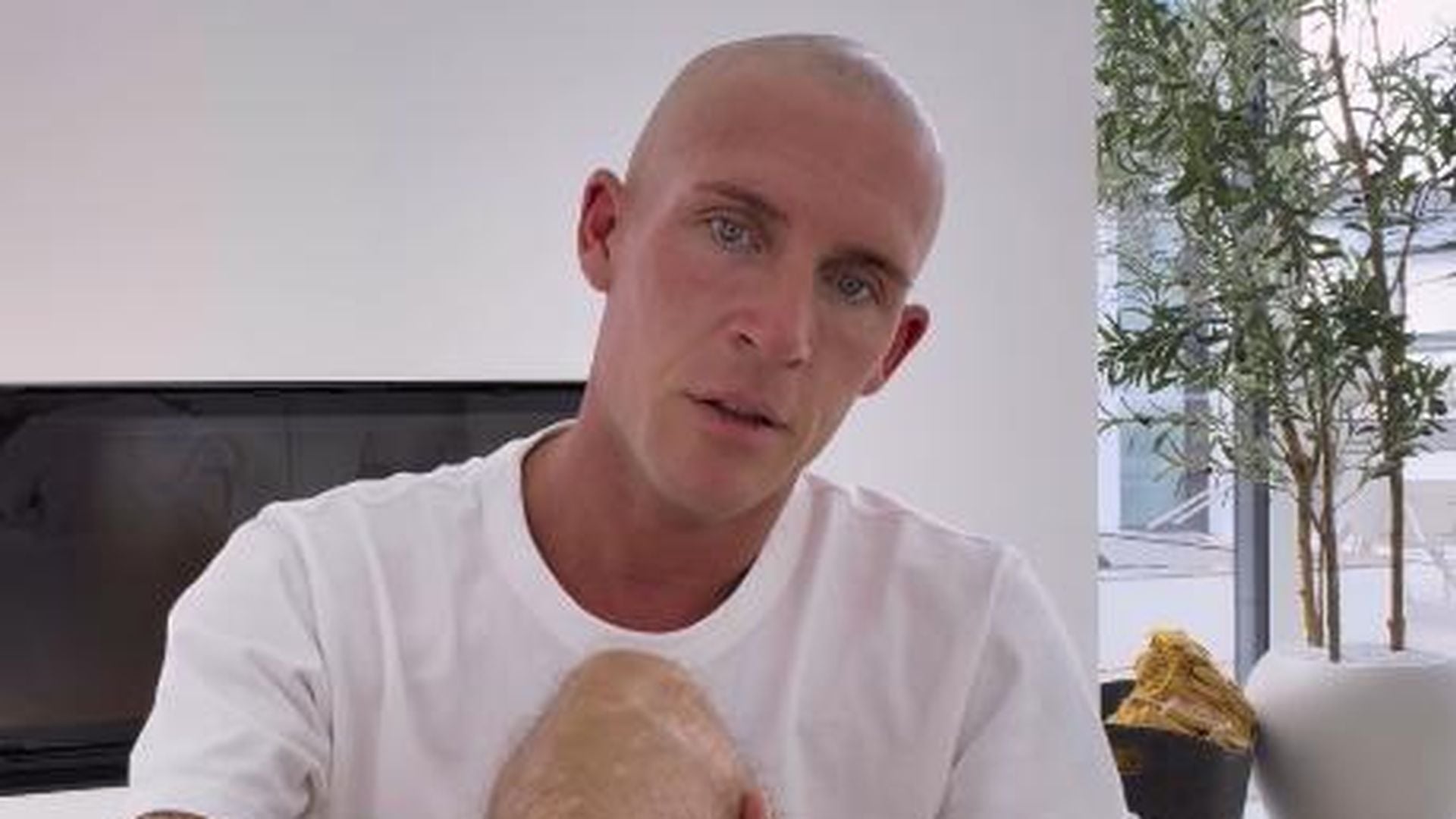
German social media personality Tobias Wolf has shared an update with his followers regarding his ongoing health journey, specifically addressing the progression of alopecia areata, an autoimmune condition characterized by patchy hair loss. In a recent post, Wolf indicated that the condition, initially diagnosed as affecting only his scalp, has now manifested more extensively across his body. This development has prompted him to seek specialized medical consultation, particularly with an endocrinologist, to better understand the underlying causes and explore potential management strategies.
The influencer, known for his candid discussions about personal health on platforms like Instagram and Facebook, emphasized that while the diagnosis of alopecia areata was not unexpected given the initial symptoms, the broader impact has been a source of concern for both him and his community. His transparency aims to foster awareness about the unpredictable nature of autoimmune disorders and encourage others experiencing similar symptoms to pursue professional medical evaluation without delay.
Alopecia areata is a condition in which the immune system mistakenly attacks hair follicles, leading to hair loss that can range from small, round patches to more widespread thinning or complete loss of hair on the scalp and body. According to the National Alopecia Areata Foundation, the condition affects approximately 2% of the population at some point in their lives, though its exact triggers remain incompletely understood. While genetics and environmental factors are believed to play a role, stress and other immune system fluctuations may similarly contribute to flare-ups.
In his update, Wolf did not disclose specific medical details such as the extent of hair loss beyond confirming involvement beyond the scalp, nor did he share results from any endocrine testing or treatment plans. His focus remained on the process of seeking expert care and maintaining open communication with his audience. This approach aligns with his history of using his platform to discuss health topics in a relatable and accessible manner, often bridging the gap between clinical information and public understanding.
The decision to consult an endocrinologist suggests Wolf and his healthcare team are investigating potential hormonal or systemic factors that could be influencing the autoimmune response. Endocrinologists specialize in disorders of the hormone-producing glands, which can sometimes intersect with immune system function. However, alopecia areata is primarily managed by dermatologists or immunologists, so the referral may reflect a broader investigative approach to rule out comorbid conditions or contributing factors.
As of the time of this report, Wolf has not announced a definitive diagnosis beyond alopecia areata, nor has he indicated any changes to his treatment regimen based on the endocrine consultation. His updates continue to be shared directly through his social media channels, where he invites questions and feedback from followers while maintaining boundaries around deeply personal medical information.
Medical professionals stress that individuals noticing unexplained hair loss should consult a healthcare provider for proper diagnosis, as several conditions—including thyroid disorders, nutritional deficiencies, and other autoimmune diseases—can present with similar symptoms. Early intervention may improve outcomes, though alopecia areata remains unpredictable in its course, with some experiencing spontaneous regrowth and others facing persistent or recurrent episodes.
Wolf’s experience underscores the importance of personalized medical care and the value of patient advocacy in navigating complex health issues. By sharing his journey, he contributes to reducing stigma around visible health conditions and encourages proactive engagement with healthcare systems.
For those seeking reliable information on alopecia areata, reputable sources such as the American Academy of Dermatology and the National Institutes of Health offer evidence-based overviews of symptoms, diagnostic approaches, and current treatment options, including topical immunotherapy, corticosteroids, and JAK inhibitors, which have shown promise in certain cases.
As Wolf continues to monitor his health and share updates with his audience, the next confirmed step in his process will be any official communication from him regarding the outcomes of his endocrine consultation or further medical evaluations. Until then, he remains engaged with his community, balancing openness with the need for medical privacy.
We encourage readers to prioritize their health and consult qualified professionals for any concerns related to hair loss or autoimmune symptoms. If you found this update informative, please consider sharing it to help others stay informed, and leave a comment below with your thoughts or questions.
Worth a look