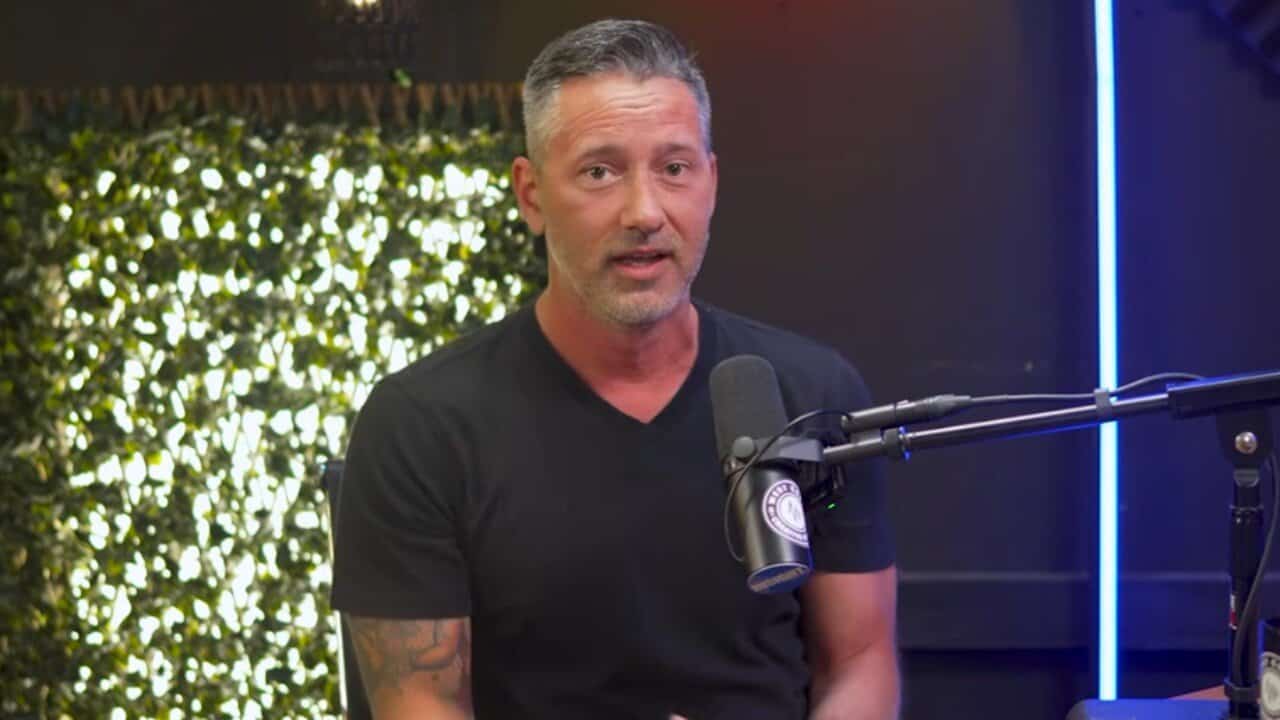
The Unexpected Perks of Being a WWE Announcer: When “Hazard Pay” Meant Getting Slapped
Have you ever wondered what it’s really like behind the scenes in professional wrestling? Beyond the scripted drama and athletic feats, there’s a world of unique experiences for those involved – even the announcers. A recent revelation from former WWE broadcaster Todd Grisham sheds light on a surprising practice: hazard pay for announcers who endured physical contact during segments. This isn’t about bumps in the ring; it’s about getting intentionally slapped on live television.
This article dives deep into this fascinating aspect of WWE history, exploring the rationale behind the practice, the amount involved, and the reactions of those who experienced it. We’ll also examine the broader context of risk and compensation in the world of sports entertainment.
The Slap That Paid $500
Grisham recounted a specific incident involving Mickie James,where he was slapped during a televised segment. “If you were an announcer and you got physicality,they would give you hazard pay,” he explained in an interview with Insight with Chris Van Vliet. He vividly described the experience, stating he’d rather take twenty Attitude Adjustments (a wrestling move) than a single slap.
did You Know? The fear wasn’t the pain of the slap itself, but the announcer’s ability to “sell” it convincingly. As non-wrestlers, announcers lacked the training to make a slap look realistic, perhaps breaking the audience’s immersion.
The surprising part? Immediate compensation. “After she slapped me, they give you 500 bucks,” Grisham revealed. “Literally,they’d be like,’Nice job,Todd.’ And someone walked over and goes, ‘1, 2, 3, 4, 5, here you go.’ Cash.”
This raises a key question: Why would WWE pay announcers to be slapped?
Understanding the Rationale Behind the “Hazard Pay”
The practice stemmed from a need to create authentic-looking moments within the carefully choreographed world of professional wrestling. While the matches are planned, the reactions need to feel genuine. Announcers,often lacking wrestling training,were vulnerable in these scenarios. The “hazard pay” served multiple purposes:
* Incentive: It encouraged announcers to participate in segments requiring physical interaction.
* Compensation for Discomfort: A slap, even a controlled one, is unpleasant. The money acknowledged that discomfort.
* Risk Mitigation: While seemingly minor, being physically touched on live television carries a degree of risk, however small.
* Maintaining Kayfabe: The illusion of realism, known as kayfabe, was paramount. A believable reaction from the announcer enhanced the storyline.
Pro Tip: In the world of professional wrestling,understanding the concept of ’kayfabe’ is crucial. It’s the presentation of staged events within the fictional world as real, and it’s what keeps the audience engaged.
Reactions and the “Brettos Factor”
Not all announcers were eager to collect the $500. Grisham recalled Max Brettos, a briefly employed announcer, declining the possibility.”He was like, ‘No, I don’t really want to do that.’ I was like, ‘I’ll do it, okay, that’s how it went. I was like, yeah, and you’re gonna pay me 500 bucks?'”
This anecdote highlights the varying levels of comfort and willingness to participate in the more unconventional aspects of the job. It also speaks to the competitive nature of the industry, where seizing opportunities – even those involving a slap – could be advantageous.The incident underscores the unique demands placed on WWE personalities, requiring them to be adaptable, resilient, and willing to step outside their comfort zones.
Risk and Compensation in Sports Entertainment: A Broader Perspective
The WWE’s “hazard pay” practice, while unusual, isn’t entirely unique in the world of entertainment
Worth a look